check

check

check

check

check

check
In the rapidly evolving landscape of smart technology and automation, the seamless detection of nearby objects without physical contact has become a cornerstone of modern design. This capability is largely powered by the sophisticated yet often overlooked proximity sensor module. These compact electronic components serve as the silent sentinels in countless devices, enabling intuitive user interfaces and critical safety functions. A proximity sensor module operates by emitting an electromagnetic field or a beam of radiation, typically infrared light, and then detecting changes in the return signal or field when an object enters its detection range. This simple principle unlocks a world of possibilities, from conserving battery life to preventing accidental damage.
One of the most common applications is in our everyday smartphones and tablets. The proximity sensor module, often integrated near the earpiece, automatically turns off the touchscreen display when the device is held close to the ear during a call. This not only prevents unintended screen presses from cheek or ear contact but also significantly reduces power consumption. Beyond consumer electronics, these modules are integral to industrial automation. On assembly lines, they reliably detect the presence or absence of components, triggering the next step in a manufacturing process with precision and speed, thereby increasing efficiency and reducing errors.
In the realm of home and building automation, proximity sensor modules contribute to both convenience and energy savings. Automatic faucets, soap dispensers, and hand dryers in public restrooms utilize them for touch-free operation, promoting hygiene. Similarly, smart lighting systems can employ these sensors to turn lights on when someone enters a room and off when the space is vacant. Automotive safety systems heavily rely on advanced proximity detection. Parking assistance systems use an array of such sensors to provide audible or visual warnings about obstacles that are too close to the vehicle's bumper, helping drivers maneuver safely in tight spaces.
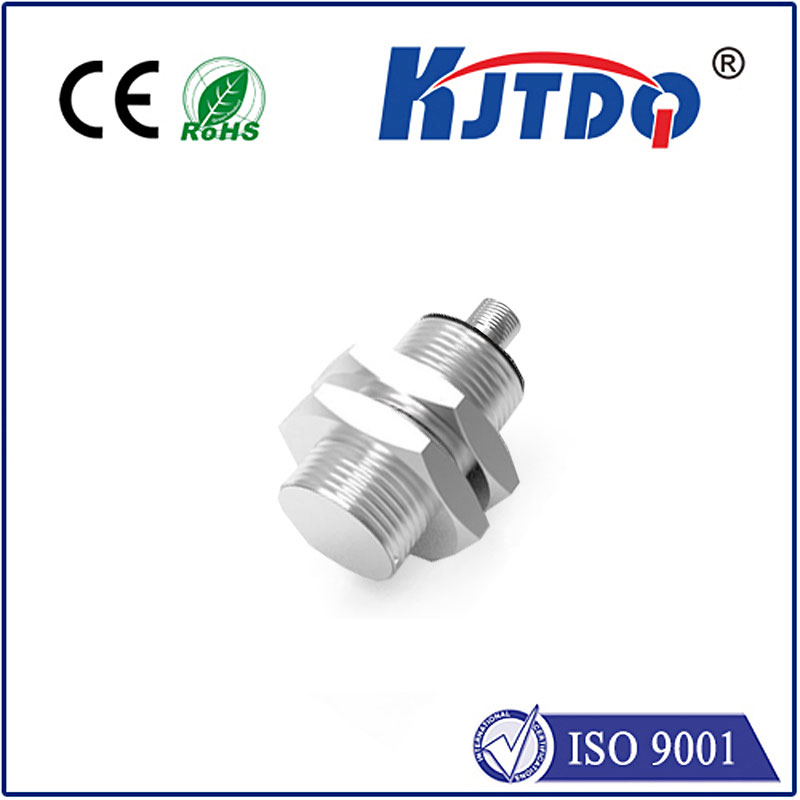
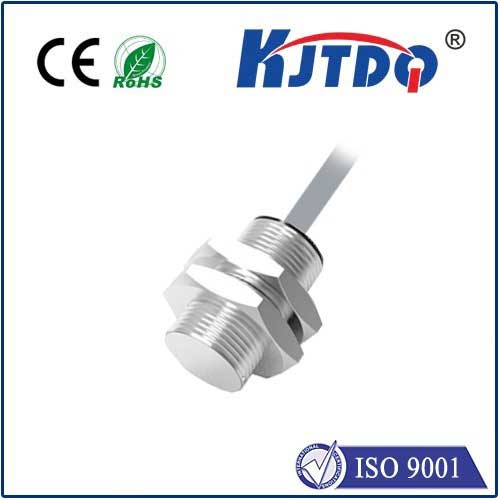
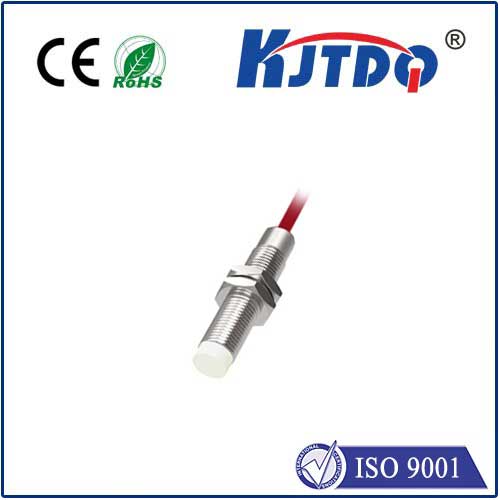
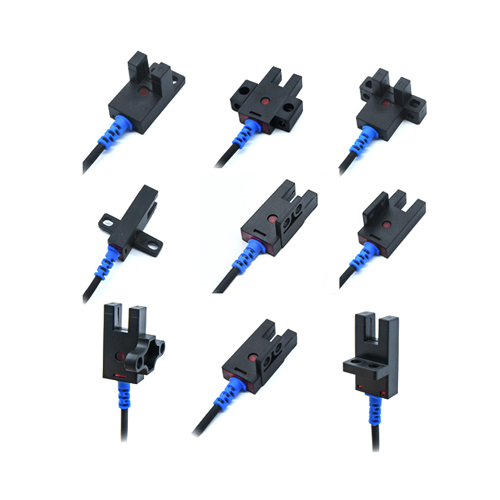
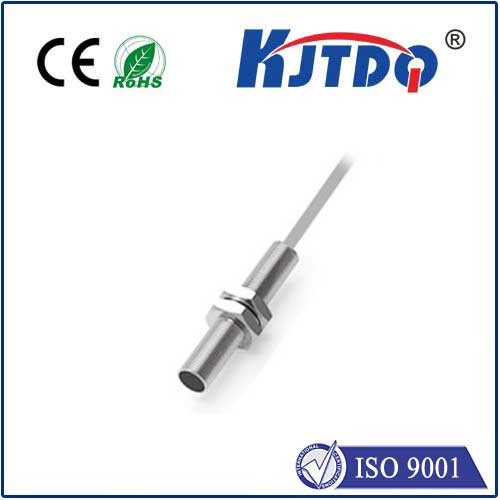
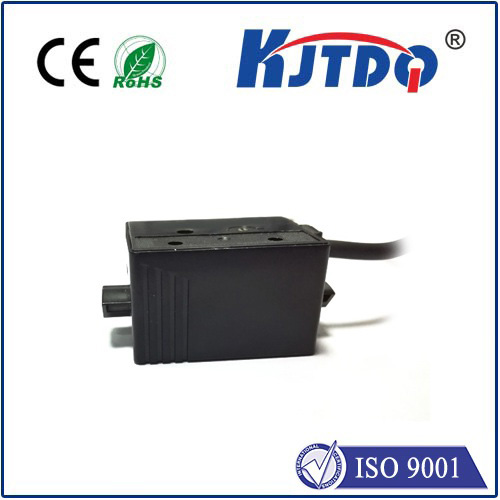
The KJTDQ series of proximity sensor modules represents a significant advancement in this technology. Engineered for high reliability and versatility, the KJTDQ modules are designed to perform consistently across a wide range of environmental conditions. They offer adjustable sensing ranges, high switching frequencies for fast response times, and robust construction that resists interference from ambient light or electrical noise. This makes them suitable for demanding applications in robotics, where precise object detection is crucial for navigation and manipulation, and in security systems for monitoring unauthorized access to restricted areas.
When selecting a proximity sensor module for a project, several key specifications must be considered. The sensing range, which defines the maximum distance at which the sensor can detect an object, is paramount. The type of output signal—whether digital (on/off) or analog (proportional to distance)—determines how it interfaces with a microcontroller like an Arduino or Raspberry Pi. Environmental factors such as the target material's properties, ambient temperature, and potential exposure to dust or moisture also influence the choice. Inductive sensors, for instance, are excellent for detecting metals, while capacitive sensors can handle non-metallic materials like plastic or liquid.
Installation and calibration are straightforward but critical steps. Proper mounting ensures an unobstructed detection field, and careful adjustment of sensitivity prevents false triggers. For developers and hobbyists, integrating a module like the KJTDQ into a circuit is facilitated by standard digital or analog pins, with abundant code libraries and tutorials available online to get started quickly. The future of proximity sensing is leaning towards miniaturization and enhanced intelligence. Modules are becoming smaller, more power-efficient, and are increasingly incorporating features like I2C communication for daisy-chaining multiple sensors and onboard signal processing to filter out noise.
From waking up a laptop screen when a user approaches to ensuring robotic arms operate safely alongside humans, the proximity sensor module is a fundamental enabling technology. Its ability to provide a simple, contactless switch based on presence empowers designers to create products that are more responsive, efficient, and safe. As the Internet of Things continues to expand, the demand for reliable, low-cost sensing solutions like the KJTDQ module will only grow, solidifying its role as an essential component in the intelligent systems of today and tomorrow.