check

check

check

check

check

check
In the intricate world of industrial automation, the reliability of a single component can dictate the efficiency of an entire production line. Among these critical components, proximity sensors stand as silent sentinels, ensuring seamless operations. Today, we delve into the specifics of the PNP XS612B1PAL5 proximity sensor, a model that has garnered significant attention for its robust performance in diverse applications. This guide aims to provide a comprehensive overview, moving beyond basic specifications to explore its real-world utility and integration.
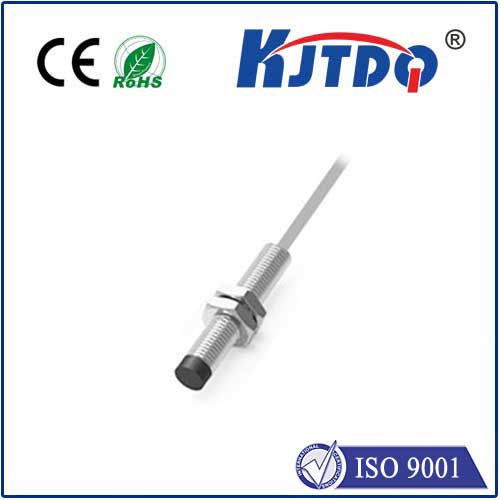
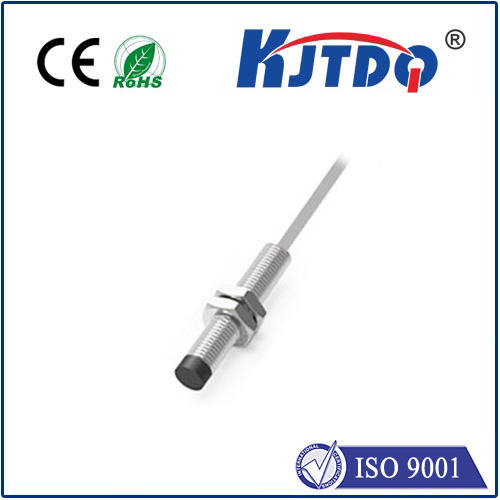
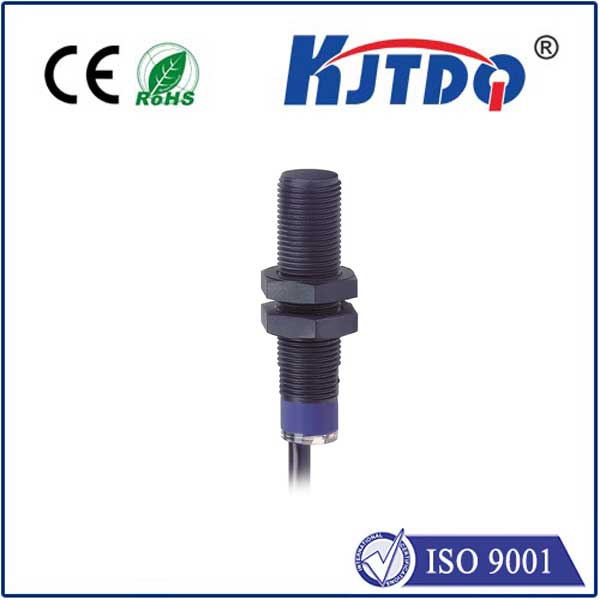
The XS612B1PAL5 is a cylindrical, inductive proximity sensor with a PNP (Positive-Negative-Positive) switching output. This technical designation is crucial. PNP sensors, often referred to as "sourcing" sensors, switch the positive voltage to the load when an object is detected. This configuration is particularly favored in many European and global standard control systems for its compatibility with programmable logic controllers (PLCs). The form factor and threaded housing are designed for easy installation in tight spaces, typical of machinery and conveyor systems.
What sets this sensor apart is its precise detection capability. Engineered to detect metallic objects without physical contact, it eliminates mechanical wear and tear, ensuring a long operational lifespan. The sensing range, while specific to the model variant, is optimized for accuracy, reducing false triggers that can lead to costly downtime. Its construction typically involves a nickel-plated brass or stainless-steel housing, offering commendable resistance to common industrial contaminants like coolants, oils, and metal shavings. This makes the XS612B1PAL5 a resilient choice for harsh manufacturing environments, from automotive assembly to packaging machinery.
Electrical characteristics are a cornerstone of its reliability. Operating within a defined voltage range, it provides a stable switching signal. The inclusion of protection circuits against short-circuits, reverse polarity, and voltage spikes is a standard expectation for sensors in this class, safeguarding both the sensor and the connected control system. When integrating the XS612B1PAL5, attention to wiring is paramount. The standard three-wire configuration—brown (positive), blue (negative), and black (output)—must be connected according to the manufacturer's datasheet and the PLC's input card requirements. A mismatch between PNP and NPN sensor types and PLC input type is a common installation error.
The application spectrum for this sensor is broad. It is commonly employed for position verification, such as confirming a robotic arm has reached its home position, counting metallic parts on a high-speed line, or as an end-of-travel limit switch in automated guided vehicles (AGVs). In each scenario, its non-contact nature provides a clear advantage over mechanical limit switches, especially in high-cycle operations.
Selecting the right sensor involves more than just the part number. Considerations must include the target material (ferrous metals like iron and steel are most easily detected), the required sensing distance, environmental conditions (temperature, presence of chemicals), and the electrical interface of the control system. The XS612B1PAL5, with its PNP output, is often the direct fit for systems designed around this sourcing logic. For maintenance personnel, troubleshooting usually involves checking the power supply, verifying the target is within range and of appropriate material, and inspecting the output load and wiring for faults.
In conclusion, the Proximity Sensor PNP XS612B1PAL5 represents a mature and reliable solution for industrial object detection. Its design prioritizes durability, electrical compatibility, and precise operation. For engineers and system integrators, understanding its characteristics and proper application is key to leveraging its full potential, thereby enhancing machine reliability and overall productivity. As automation continues to evolve, such foundational components remain indispensable in building smarter, more resilient industrial ecosystems.