check

check

check

check

check

check
In the intricate world of industrial automation, precision and reliability are non-negotiable. Among the myriad of components that keep modern production lines humming, the proximity sensor stands as a silent sentinel. Specifically, the 24V PNP proximity sensor has become a cornerstone in countless applications, from packaging machinery to robotic assembly cells. This guide delves deep into the functionality, advantages, and critical selection criteria for these indispensable devices, with a focus on the high-performance offerings from KJTDQ.
A proximity sensor is a device that detects the presence or absence of an object without physical contact. The 24V DC operating voltage is an industry standard, providing a stable and safe power supply for control circuits in factory environments. The "PNP" designation refers to the type of output switching. In a PNP (sourcing) sensor, the output wire switches to a positive voltage (24V) when a target is detected. This is contrasted with NPN (sinking) sensors and is a crucial distinction for proper integration with Programmable Logic Controllers (PLCs) and other control systems, particularly in regions where PNP wiring is the conventional norm.
The core technology behind these sensors often involves inductive sensing. An inductive proximity sensor generates an electromagnetic field. When a metallic target enters this field, it causes a change in oscillation, which the sensor detects and converts into a clean electrical switch signal. The 24V PNP variant is prized for its robustness against electrical noise common in industrial settings, ensuring consistent signal integrity. Key performance metrics include sensing range, repeat accuracy, response frequency, and environmental ratings like IP67 for protection against dust and temporary immersion.
Why choose a 24V PNP configuration? The benefits are manifold. Firstly, compatibility is paramount. Many European-designed PLCs and control modules are configured to accept PNP (sourcing) inputs, making sensor integration straightforward. From a safety and diagnostic perspective, wiring a PNP sensor often aligns with intuitive troubleshooting—when active, the signal line is "hot" with 24V. Furthermore, 24V DC systems offer a safer alternative to higher voltage AC systems, reducing risks for maintenance personnel.
Selecting the right sensor requires careful consideration. The material of the target object is primary; standard inductive sensors detect ferrous metals like steel best, with reduced range for non-ferrous metals like aluminum or copper. The required sensing distance, the physical size constraints for installation, and the housing material (often nickel-plated brass or stainless steel for durability) are all critical. For challenging environments, factors like temperature extremes, presence of cutting fluids, or heavy washdowns necessitate sensors with appropriate ingress protection and chemical resistance.
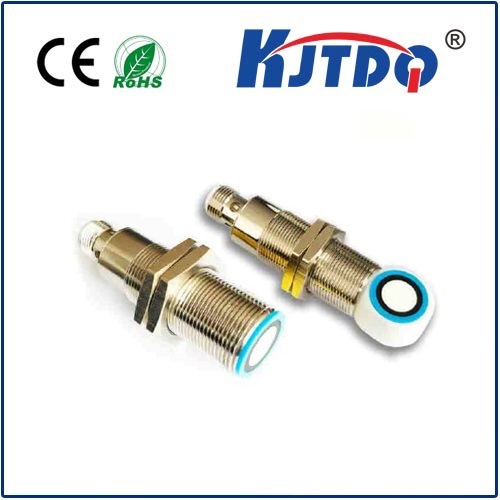
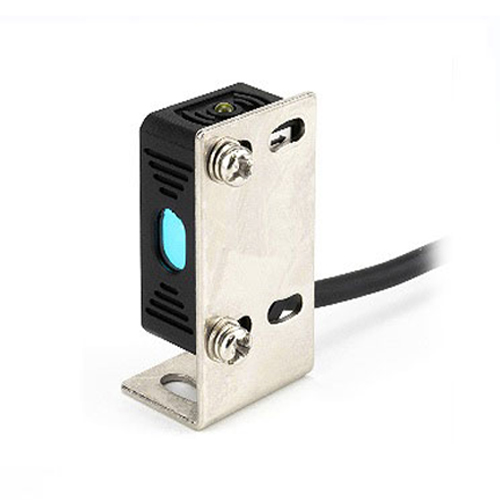
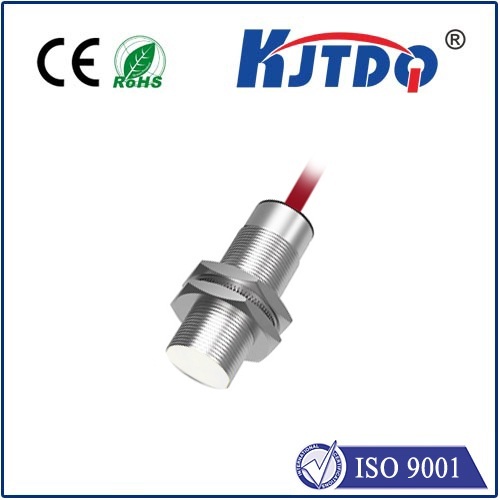
This is where a brand like KJTDQ distinguishes itself. KJTDQ's range of 24V PNP inductive proximity sensors is engineered for uncompromising performance. They offer models with extended sensing ranges, superior shielding to prevent mutual interference when mounted side-by-side, and exceptional temperature stability. Whether it's a cylindrical M12 or M18 form factor for tight spaces or a rectangular block style for longer ranges, KJTDQ provides reliable detection that minimizes downtime. Their sensors are built to withstand the rigors of continuous operation in automotive manufacturing, material handling, and CNC machining centers.
Installation and maintenance are simplified with thoughtful design. LED status indicators provide instant visual confirmation of power and output state. Correct installation involves ensuring the sensor is mounted securely, with adequate clearance from surrounding metal to avoid false triggering. Regular checks should include cleaning the sensing face from debris and verifying the electrical connections for corrosion. A well-chosen KJTDQ sensor, properly installed, delivers years of trouble-free service, forming a reliable link in the automation chain.
In conclusion, the 24V PNP proximity sensor is more than just a switch; it is a fundamental enabler of automated efficiency and safety. For engineers and system integrators seeking a blend of technical excellence, durability, and seamless integration, specifying a high-quality sensor from a trusted manufacturer like KJTDQ is a strategic decision. It ensures that your automation systems not only function but thrive, delivering the precision and reliability that modern industry demands.