check

check

check

check

check

check
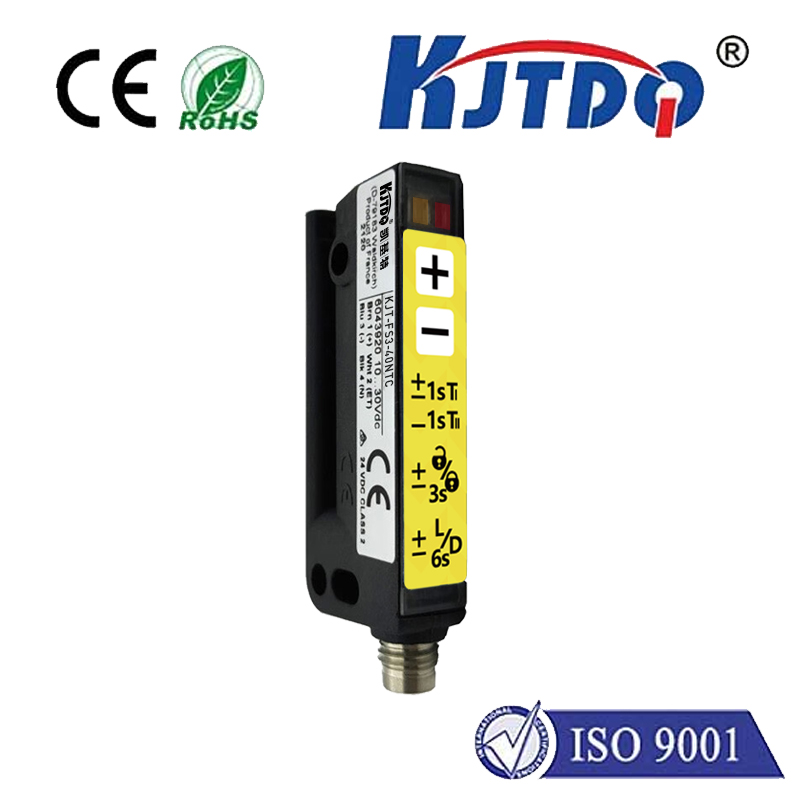
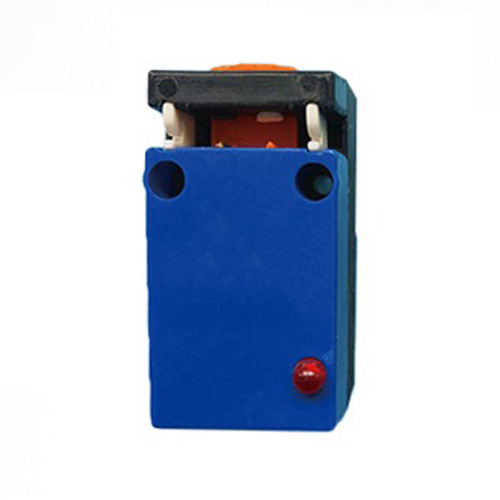
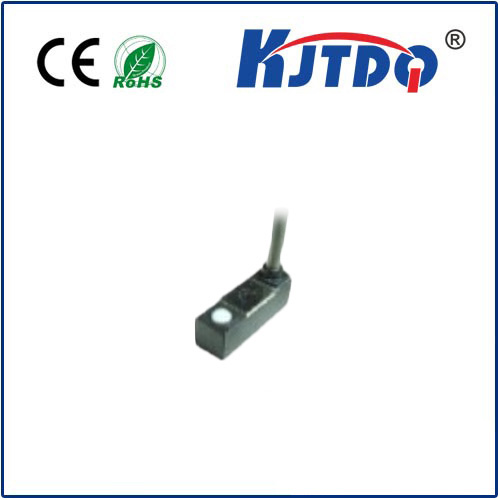
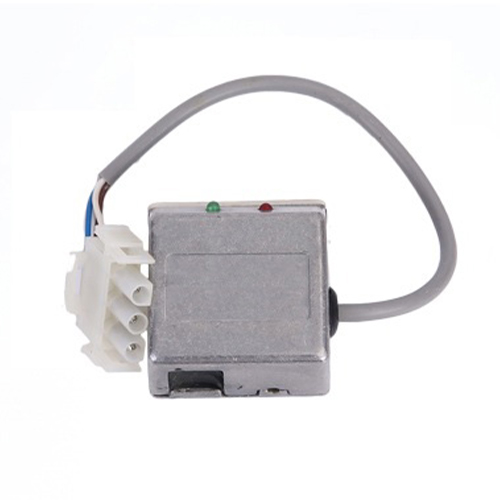
In the world of industrial automation and electronic control, reliable and precise detection is non-negotiable. Among the myriad of sensing technologies available, the Hall Effect proximity switch sensor stands out for its unique combination of durability, accuracy, and versatility. Unlike traditional mechanical switches or other sensing methods, this technology operates on a fundamental physical principle, offering contactless detection that is immune to many common environmental challenges.
The core principle behind the Hall Effect sensor is straightforward yet powerful. When a conductor carrying a current is placed in a magnetic field, a voltage difference, known as the Hall voltage, is generated perpendicular to both the current and the field. A Hall Effect proximity switch sensor integrates this phenomenon into a compact device. It typically contains a Hall element, a magnet, and signal conditioning circuitry. When a ferromagnetic target, such as a gear tooth or a metal flag, approaches the sensor, it disturbs the magnetic field. This disturbance alters the Hall voltage, which is then processed by the integrated circuit to trigger a clean, digital output signal—switching from "off" to "on" or vice versa without any physical contact.
This contactless operation is the source of its primary advantages. First and foremost, it leads to exceptional longevity. With no moving parts to wear out or contacts to arc and degrade, these sensors boast an almost limitless operational life, measured in billions of cycles. This translates directly to reduced maintenance costs and minimized machine downtime, a critical factor in high-speed production lines. Furthermore, the absence of physical contact means they are completely immune to issues like bounce, chatter, or contamination from dust, oil, and non-conductive particles. They perform consistently in dirty or wet environments where optical sensors might fail.
Another significant benefit is high-speed capability. Hall Effect sensors can detect targets at very high frequencies, making them ideal for applications like RPM sensing on motor shafts, camshaft position detection in engines, or counting fast-moving items on a conveyor. Their response time is exceptionally fast and consistent. Additionally, they are inherently resistant to electrical noise, providing a stable and reliable signal even in electrically noisy industrial settings. Their output is typically a clean, squared digital waveform that interfaces seamlessly with PLCs (Programmable Logic Controllers), microcontrollers, and other digital systems.
The applications for Hall Effect proximity switches are vast and span numerous industries. In the automotive sector, they are ubiquitous for sensing wheel speed for ABS systems, detecting gear position in transmissions, and monitoring crankshaft and camshaft rotation. In manufacturing, they are used for precise positioning of robotic arms, end-of-travel detection on linear actuators, and part presence verification in assembly machines. Consumer electronics utilize miniature versions in devices like laptops for lid-open/close detection or in smartphones for flip cover sensing. Their ability to function in harsh conditions also makes them suitable for agricultural equipment, aerospace systems, and heavy machinery.
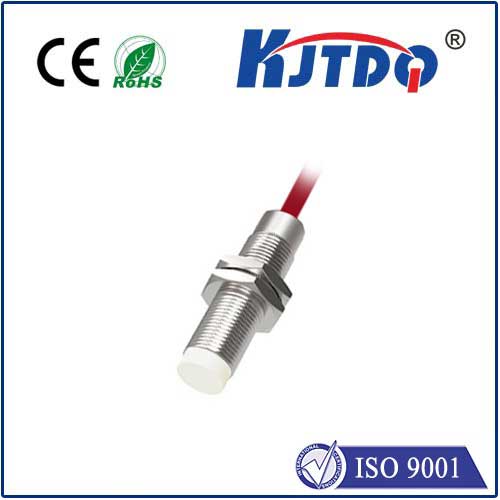
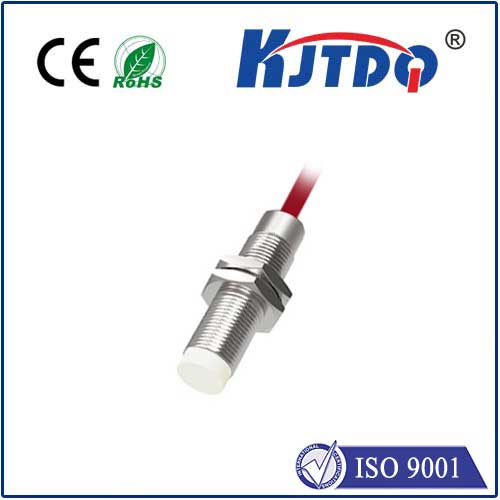
When selecting a Hall Effect proximity sensor for a project, several key specifications must be considered. The sensing distance, or switch point, is determined by the strength of the integrated magnet and the sensitivity of the Hall element. Operating voltage range (commonly 3.3V to 24V DC), output type (PNP, NPN, or push-pull), and housing material (often stainless steel or nickel-plated brass for durability) are crucial. It is also vital to choose between unipolar switches (activated by a single south or north pole) and bipolar switches (activated by one pole and released by the opposite), depending on the application's magnetic requirements.
Installation is generally simple, but attention to detail ensures optimal performance. The sensor should be mounted securely to prevent vibration from affecting the air gap. The target material must be ferromagnetic (like iron or steel) and of sufficient size and thickness to effectively disrupt the magnetic field. Engineers must ensure that external magnetic fields from motors or transformers do not interfere with the sensor's operation. Proper wiring, following the manufacturer's datasheet for power, ground, and output connections, is essential.
In conclusion, the Hall Effect proximity switch sensor represents a mature, robust, and highly reliable solution for non-contact position and speed sensing. Its solid-state design offers unparalleled life and reliability in demanding environments. For engineers and system designers seeking a sensor that delivers precision, speed, and unwavering performance with minimal maintenance, it remains an indispensable and smart component in the toolbox of modern automation. By understanding its operating principle and application guidelines, one can fully leverage its capabilities to create more efficient, reliable, and intelligent systems.