check

check

check

check

check

check
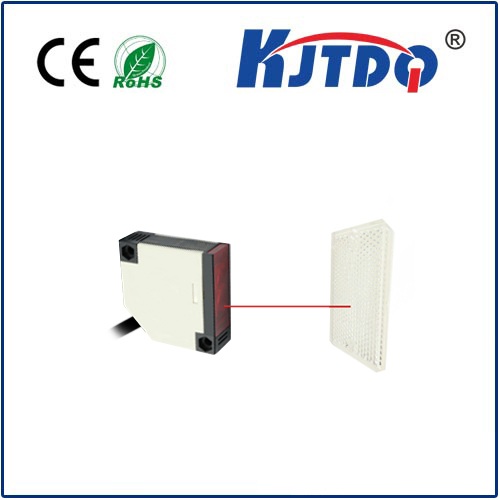
In the rapidly evolving landscape of industrial technology, the long distance proximity sensor stands as a pivotal innovation, fundamentally transforming how machines interact with their environment. Unlike traditional sensors limited to short-range detection, these advanced devices can accurately identify the presence, absence, or position of objects from several meters away. This capability is not merely an incremental improvement but a paradigm shift, enabling unprecedented levels of automation, efficiency, and safety across diverse sectors including manufacturing, logistics, automotive, and aerospace.
The core technology behind long distance proximity sensors often involves sophisticated methods such as time-of-flight (ToF), laser triangulation, or advanced ultrasonic waves. For instance, ToF sensors emit a light or laser pulse and measure the time it takes for the reflection to return, calculating distance with remarkable precision. This allows for reliable operation in challenging conditions where dust, varying light, or temperature fluctuations might hinder other sensing technologies. The robustness and accuracy of these sensors make them indispensable for applications like automated guided vehicles (AGVs) navigating large warehouses, where they must detect obstacles and personnel from afar to prevent collisions and ensure smooth workflow.
Moreover, the integration of long distance proximity sensors significantly enhances workplace safety. In heavy machinery and robotic cell environments, these sensors create virtual safety zones. If a human operator inadvertently enters a hazardous area, the sensor can trigger an immediate shutdown or alert, mitigating the risk of accidents. This proactive approach to safety is becoming a regulatory expectation in many industries, reducing downtime and liability while protecting valuable human resources. The sensors also contribute to predictive maintenance by monitoring equipment position and alignment over long ranges, identifying deviations that signal wear or potential failure before a breakdown occurs.
From an economic perspective, deploying long distance proximity sensors drives operational efficiency. In logistics and supply chain management, they enable precise inventory tracking of pallets and containers across vast storage yards without manual intervention. In automotive assembly lines, they ensure components are correctly positioned for robotic welding or installation from a distance, speeding up production cycles and minimizing errors. The data collected by these sensors can be fed into centralized control systems, facilitating real-time analytics and smarter decision-making, which is a cornerstone of Industry 4.0 initiatives.
Despite their advantages, selecting the right long distance proximity sensor requires careful consideration of factors like range requirements, environmental conditions, response time, and connectivity options. Modern sensors often come with IoT-ready features, allowing seamless integration into networked industrial ecosystems. As technology advances, we can anticipate sensors with even greater ranges, higher resolutions, and enhanced AI-driven analytics for more autonomous operations.
In conclusion, the long distance proximity sensor is more than just a component; it is a transformative tool that bridges the gap between physical operations and digital intelligence. By enabling reliable long-range detection, it empowers industries to achieve higher safety standards, optimize processes, and embrace fully automated futures. As global industries continue to prioritize innovation and safety, the adoption of these sensors will undoubtedly become a standard, driving progress and competitiveness in the modern industrial era.