check
check
check
check
check
check
In the intricate dance of modern industrial machinery, where colossal forces meet precision control, safety and reliability are non-negotiable. Imagine a massive hydraulic press slamming down with tons of force, a high-pressure pump circulating fluid critical for turbine operation, or a valve controlling superheated steam. Within these intense environments, a specific type of component operates silently yet vitally: the high pressure proximity sensor. Among these specialized devices, models like the BES0568 stand out, engineered specifically to deliver dependable detection where standard sensors simply cannot survive. Understanding its role is key to optimizing performance and preventing costly downtime in the most challenging applications.
What is a High Pressure Proximity Sensor?
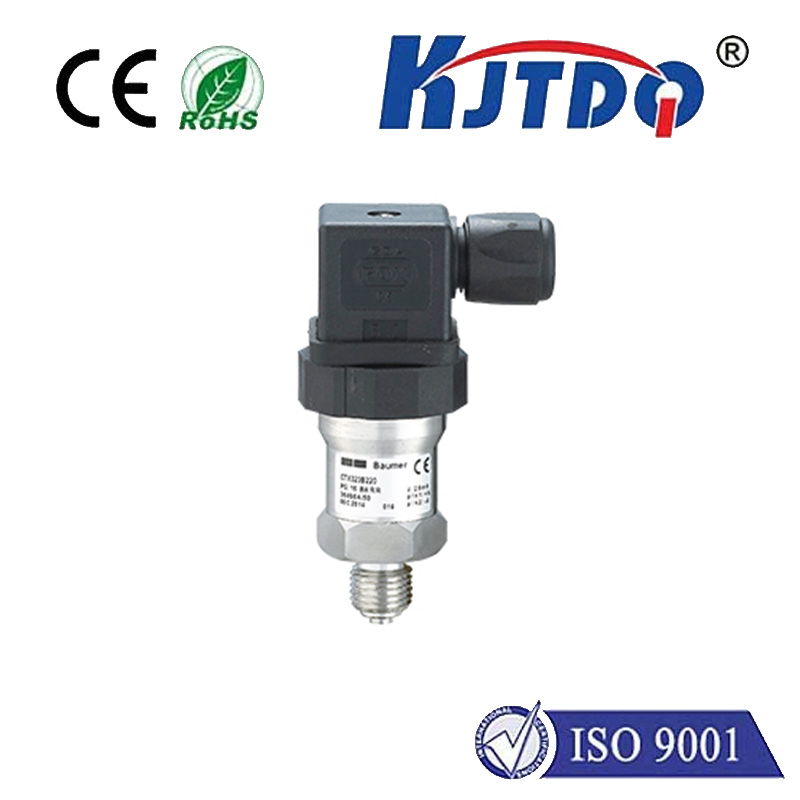
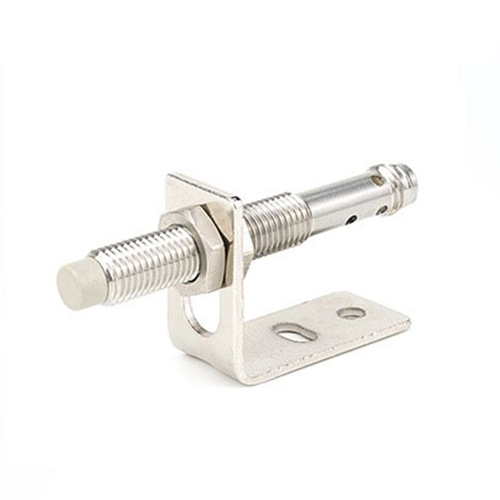
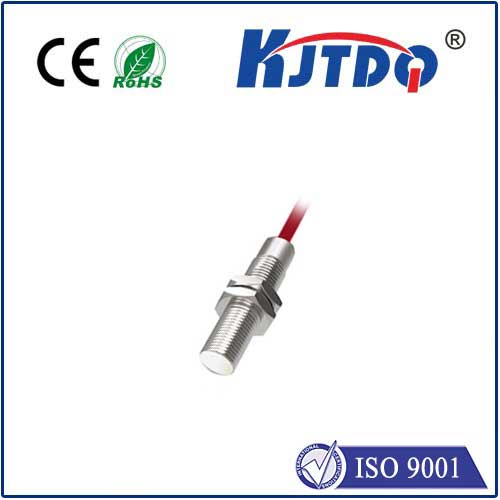
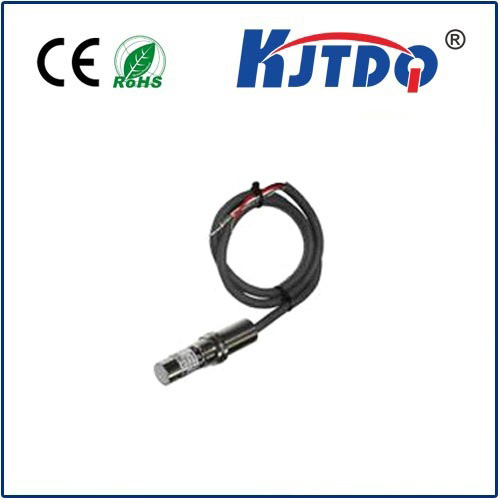
At its core, a proximity sensor detects the presence or absence of a nearby target without physical contact. Most commonly, these sensors operate inductively, generating an electromagnetic field disrupted by a metal target. However, standard inductive sensors are designed for relatively benign factory floor conditions. A high pressure proximity sensor, like the BES0568, is fundamentally different. It’s engineered to withstand and operate reliably within environments subject to extremely high fluid pressures – think hundreds or even thousands of bar (or PSI).
This resilience isn’t just about brute strength; it’s about integrity. High pressure can infiltrate standard sensors through seals or housing imperfections, causing failure, inaccurate readings, or even catastrophic rupture. A sensor designed for high pressure, such as the BES0568, incorporates specialized:
Why the BES0568 Represents Critical Technology
While “BES0568” likely refers to a specific model identifier (potentially from a manufacturer like Balluff, though specifications should always be verified from official datasheets), it represents a class of sensors designed for mission-critical, high-pressure scenarios. These sensors are not mere conveniences; they are essential safeguards and enablers. Here’s where they prove indispensable:
Key Advantages Offered by Sensors like the BES0568
Choosing a dedicated high pressure sensor delivers tangible operational benefits:
Important Considerations When Specifying
Selecting the right high pressure proximity sensor, such as one in the BES0568 class, demands careful attention to specifics – never assume generic specifications apply:
Beyond the Spec Sheet: Integration and Reliability
The performance of even the most robust sensor like the BES0568 hinges on correct installation and integration. Ensure proper mounting respecting specified distances, avoiding excessive mechanical stress on the housing or cable entry. Use appropriate thread sealants compatible with the media and pressure (consult manufacturer guidelines!). Protect cabling from abrasion and crushing. Integrating these sensors effectively into control logic and diagnostics maximizes their value as a cornerstone of operational intelligence.
The Essential Backbone of Critical Systems
In the high-stakes world of industrial automation operating under extreme pressures, components cannot afford to be the weak link. High pressure proximity sensors, exemplified by models designed for this specific purpose like the BES0568, are not passive components; they are active guardians of safety, efficiency, and uptime. Their specialized construction enables them to deliver reliable, non-contact detection precisely where pressure is a defining factor. By understanding their critical role, carefully selecting based on exacting specifications, and ensuring proper deployment, engineers and maintenance teams leverage this essential technology to build resilient, high-performing systems capable of thriving in the most demanding environments. Investing in the right sensor, designed explicitly for the pressure challenge, is an investment in operational excellence and long-term reliability.