check

check

check

check
check
check
check
check

check
check
The allure of gold is timeless, driving explorers and professionals to constantly seek better ways to find it. While the classic metal detector conjures images of sweeping coils and beeping sounds, a specialized technology offers a distinct, often complementary, approach: the gold proximity sensor. This isn’t your average treasure-hunting gadget; it’s a sophisticated tool leveraging principles that make it uniquely suited for specific gold detection scenarios, particularly with small or buried targets where precision is paramount.
Traditional metal detectors primarily operate using electromagnetic induction. They transmit a magnetic field into the ground and listen for disturbances caused by conductive metals like gold. This method is excellent for scanning large areas but can be plagued by false signals from mineralized soil (hot rocks) and struggles significantly with tiny gold nuggets or flakes due to their low conductivity and mass. Depth penetration can also be inconsistent based on soil conditions and target size.
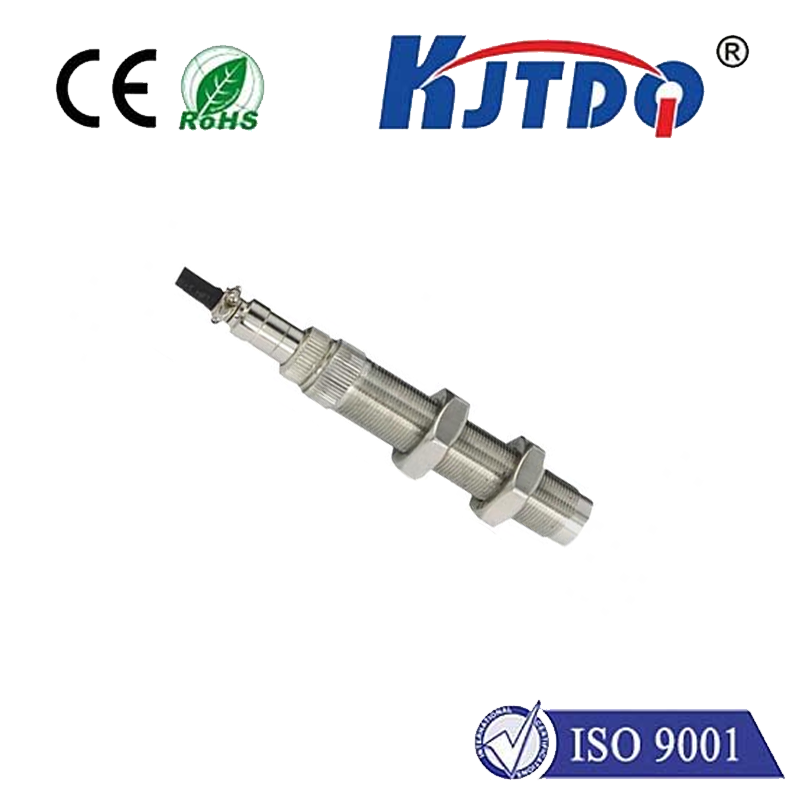
Gold proximity sensors, specifically inductive proximity sensors adapted or optimized for detecting gold, function on a different principle: they detect the eddy currents induced in a nearby conductive object by their own high-frequency oscillating magnetic field. Their key strengths lie in non-contact detection and extremely high sensitivity at close ranges.

Why Proximity Sensors Excel for Specific Gold Detection Tasks:
Key Considerations for Gold Proximity Sensor Performance:
Practical Applications Beyond Treasure Hunting:
While prospecting for natural gold nuggets is a primary application, gold proximity sensors find valuable use in diverse settings:
Integrating Sensors into Workflows: Standalone gold proximity sensor wands are popular for prospectors checking crevices or concentrates. More sophisticated setups integrate them into conveyor belts for automated sorting systems or fixed installations in security arches. Their reliable, non-contact switching makes them ideal for triggering alarms, divertors, or data recording systems.
The Bottom Line:
The gold proximity sensor metal detection niche represents a powerful, targeted approach. It doesn’t replace the wide-area scanning capability of a traditional metal detector for initial prospecting. Instead, it complements it beautifully, offering unparalleled precision and sensitivity for close-quarters work where finding minuscule gold pieces or verifying targets amidst challenging ground conditions is the goal. By focusing on the unique electromagnetic properties of gold and leveraging the inherent strengths of inductive proximity sensing – immunity to soil effects, pinpoint accuracy, and high close-range sensitivity – these specialized tools open doors to finding gold that might otherwise remain hidden. Understanding their capabilities and limitations is key to unlocking their potential in your search for the precious metal.