check
check

check

check
check
check
check
check

check

check
Imagine a factory humming with robotic arms, precisely welding car frames, or a high-speed conveyor system flawlessly sorting packages. What invisible force ensures these machines operate with uncanny precision, detecting the presence or absence of critical components without a physical touch? The answer often lies in the unassuming yet powerful inductive proximity sensor switch. These workhorses are fundamental to modern automation, providing robust, reliable, and non-contact object detection, particularly for metallic targets.
Understanding the Core Principle: Electromagnetism at Work
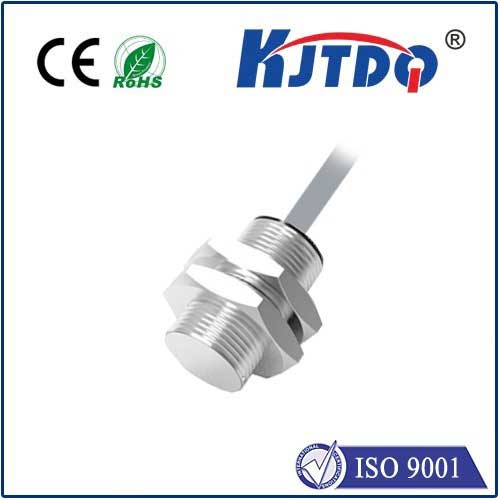
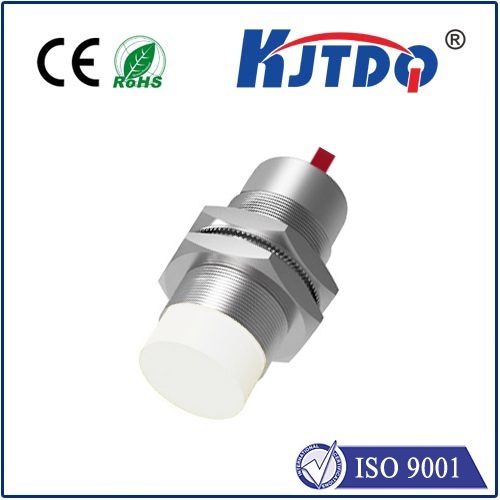
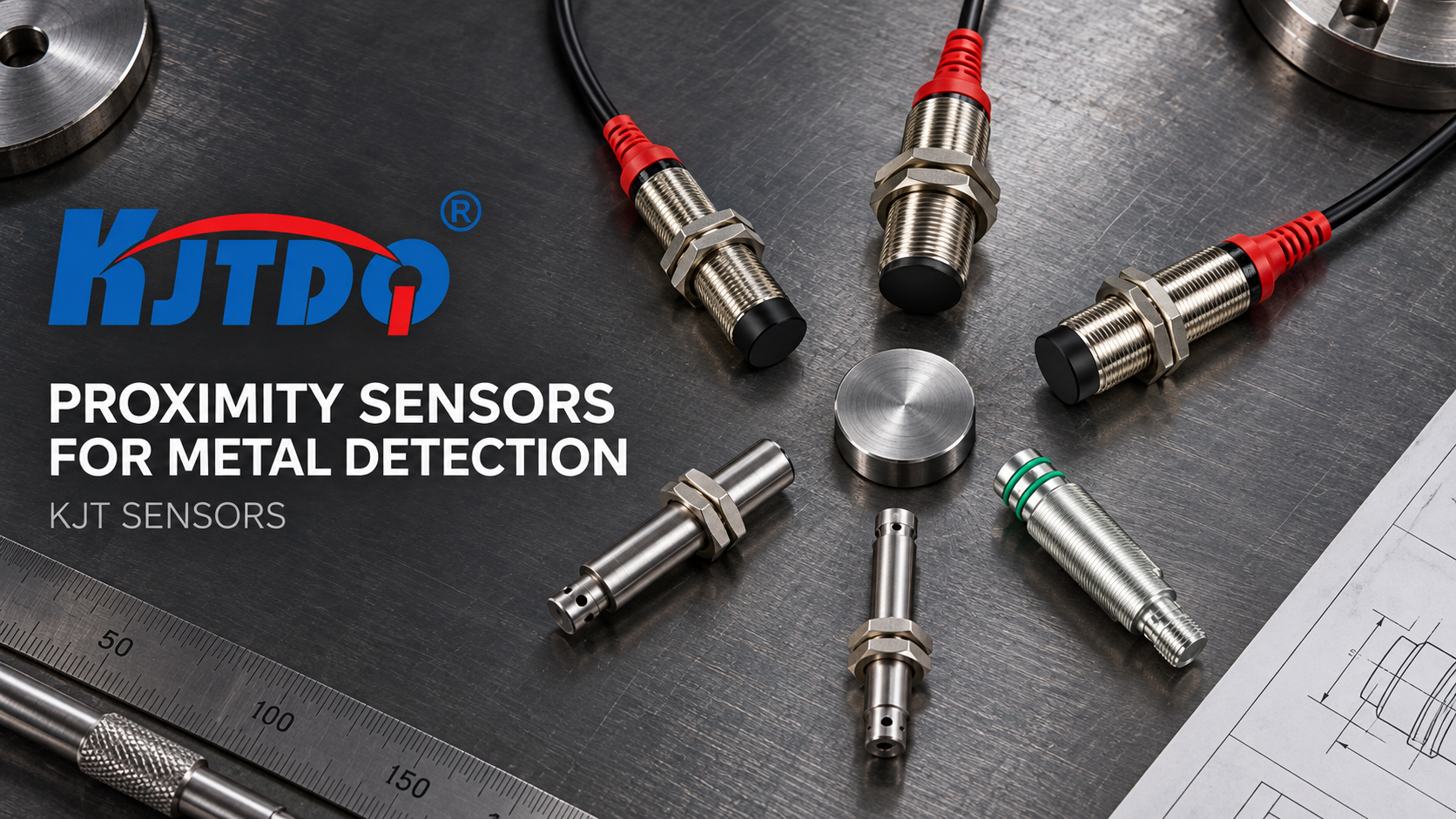
An inductive proximity sensor switch operates on the elegantly simple principle of electromagnetic induction, discovered by Michael Faraday. At its heart is an oscillator circuit generating a high-frequency alternating electromagnetic field. This field radiates from the sensor’s active face, typically housed in a rugged metal or polymer body designed for industrial environments.
When a metallic object (ferrous metals like iron and steel are the primary targets, though non-ferrous metals like aluminum, copper, or brass can also be detected, sometimes with reduced sensing distances) enters this electromagnetic field, it acts like the core of a transformer. Eddy currents are induced on the surface of the metal object. These circulating currents create their own opposing electromagnetic field, essentially ‘loading’ the oscillator circuit within the sensor.
This interaction causes a measurable change in the oscillator’s amplitude. Sophisticated internal circuitry, including a trigger circuit and signal conditioner, continuously monitors this amplitude. Once the change exceeds a predefined threshold – indicating the target object is within the sensor’s specified sensing range – the sensor’s electronic switch instantly changes state. This switch is the heart of the “switch” functionality: it’s usually an NPN (sourcing) or PNP (sinking) transistor output, providing a clean, bounce-free signal compatible with Programmable Logic Controllers (PLCs), machine controllers, and other industrial electronics.
Key Components and Characteristics: Built for Reliability
Inductive proximity sensor switches offer a compelling set of advantages that cement their place in industrial settings:
Where the Invisible Detection Shines: Diverse Applications
The reliability and non-contact nature of inductive proximity switches make them ubiquitous across virtually every industry involving machinery and automation:
Contrasting Sensing Technologies
Understanding inductive sensors is aided by comparing them to other common proximity detection methods:
Selecting and Implementing Effectively
Choosing the right inductive proximity switch involves several factors:
Best practices include ensuring the target approaches the sensor face perpendicularly for maximum detection consistency, avoiding mounting adjacent sensors too close to prevent mutual interference, and verifying voltage supply compatibility.
The Future and Enduring Value
While emerging technologies continue to evolve, the fundamental robustness, simplicity, and cost-effectiveness of inductive proximity sensor switches ensure their enduring dominance in metal detection applications. Innovations focus on miniaturization, extended sensing ranges for specific alloys, enhanced resistance to extreme electromagnetic interference (EMI), and integration with IO-Link technology for advanced diagnostics and parameterization. Their ability to operate flawlessly without contact, hidden from view yet critical to function, truly makes them the invisible guardians driving the efficiency and reliability of the automated world around us.