check
check
check

check
check
check
check
check

check

check
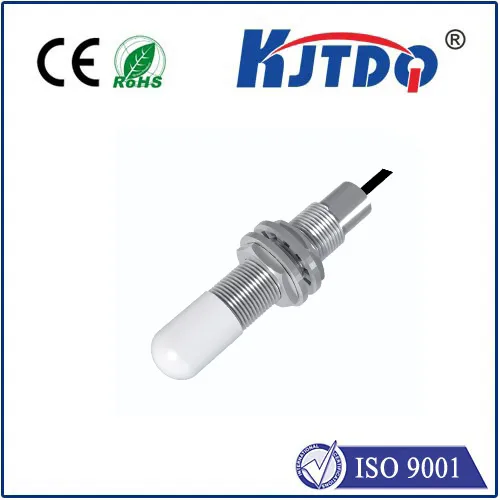
In the intricate dance of modern machinery and automation, where precision and reliability are paramount, a silent sentinel often stands guard: the 12V proximity sensor. Far more than just a simple switch, this robust and versatile component plays a pivotal role in countless applications, from factory floors to automotive lines and beyond. But what makes the 12V DC variant so universally compelling? Let’s delve into the world of non-contact detection.
Understanding the Proximity Sensor: Beyond the Physical Touch
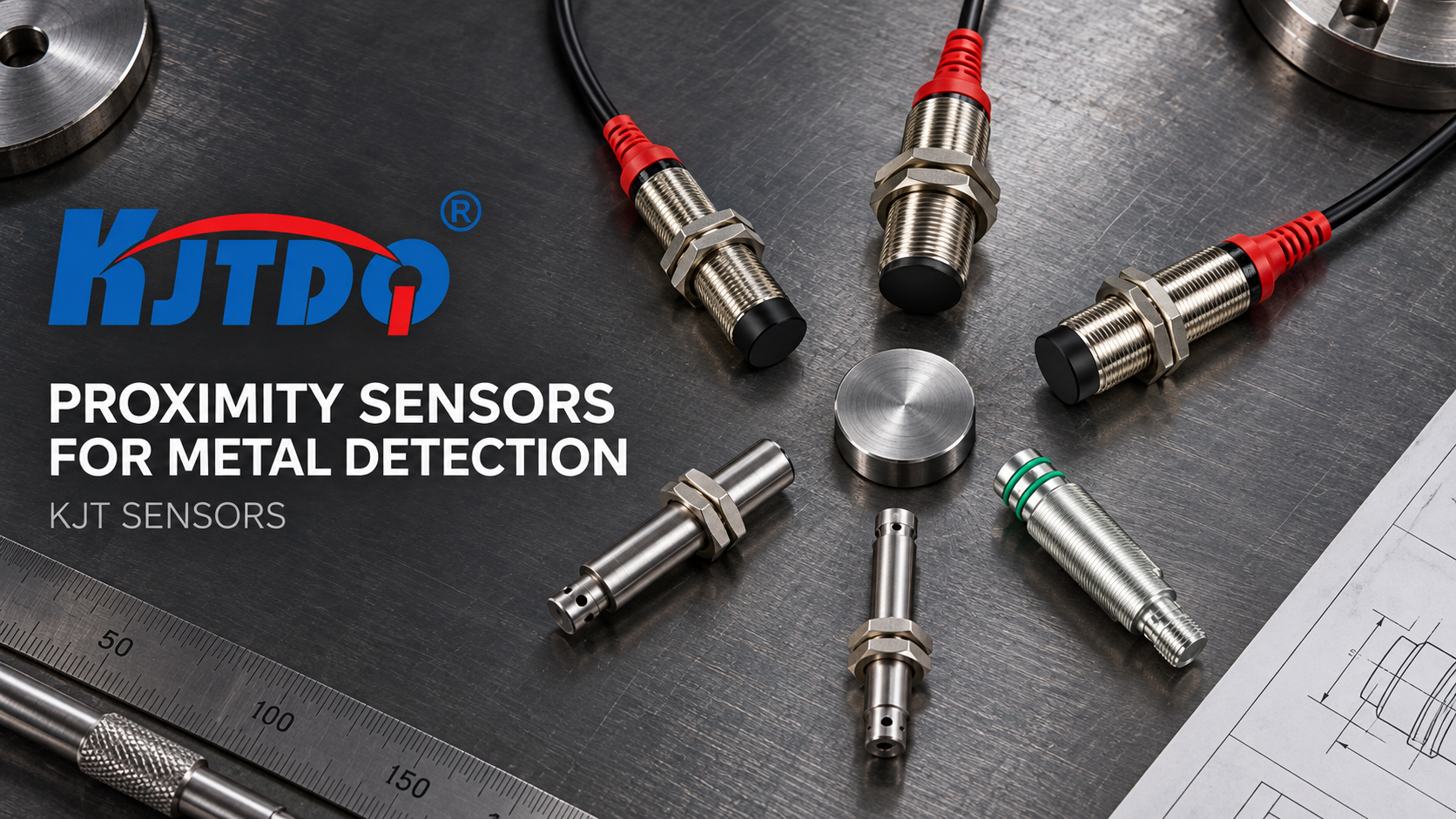
Unlike mechanical limit switches that require physical contact to activate, a proximity sensor operates magically without touching its target. It detects the presence or absence of metallic objects (in the case of inductive sensors, the most common type) through changes in an electromagnetic field generated by the sensor itself. This fundamental principle of non-contact detection translates into significant advantages: no wear and tear from physical impact, incredibly long operational lifespans, and the ability to function reliably in dirty, wet, or harsh environments where mechanical contacts might falter.
Why 12V DC? The Power of Ubiquity and Practicality
The “12V” in 12V proximity sensor isn’t arbitrary; it signifies the operating voltage. This specific voltage is exceptionally common and advantageous:
Diving Deeper: How Does a 12V Inductive Proximity Sensor Work?
Imagine a miniature coil inside the sensor head, energized by the 12V DC supply. This coil generates a high-frequency oscillating electromagnetic field. When a ferrous metal (like iron or steel) or a non-ferrous metal (like aluminum, brass, or copper) target approaches this active field, it induces tiny electrical currents within the target, called eddy currents. This disturbance causes a measurable change within the sensor’s internal oscillator circuit.
For inductive sensors (the primary type used for metal detection), this change is detected, triggering the sensor’s solid-state electronic switch (transistor output). The output state changes – typically switching on (conducting) or off (not conducting) – signaling the presence or absence of the target to the connected controller (like a PLC). Notably, 12V proximity sensors can have different output types: PNP (sourcing) or NPN (sinking), crucial for correctly integrating them into your control circuit.
Key Characteristics and Advantages of 12V Proximity Sensors
Choosing the Right 12V Proximity Sensor: Factors to Consider
Selecting the optimal sensor involves more than just voltage. Consider:
Ubiquitous Applications: Where 12V Proximity Sensors Shine
The versatility of 12V proximity sensors ensures their presence across diverse sectors:
Conclusion
The 12V proximity sensor embodies a perfect blend of simplicity, ruggedness, and reliable performance in non-contact metal detection. Its compatibility with ubiquitous low-voltage DC power systems makes it an indispensable building block for engineers and technicians designing reliable, efficient, and low-maintenance automation solutions. By understanding their operating principles, key advantages, and selection criteria, you can effectively harness the power of 12V proximity sensors to enhance the intelligence, efficiency, and reliability of virtually any system requiring precise object detection. Whether counting cans on a fast-moving line or ensuring critical machinery is safely positioned, the humble 12V proximity sensor performs its duty silently and effectively, a true workhorse of modern industry.