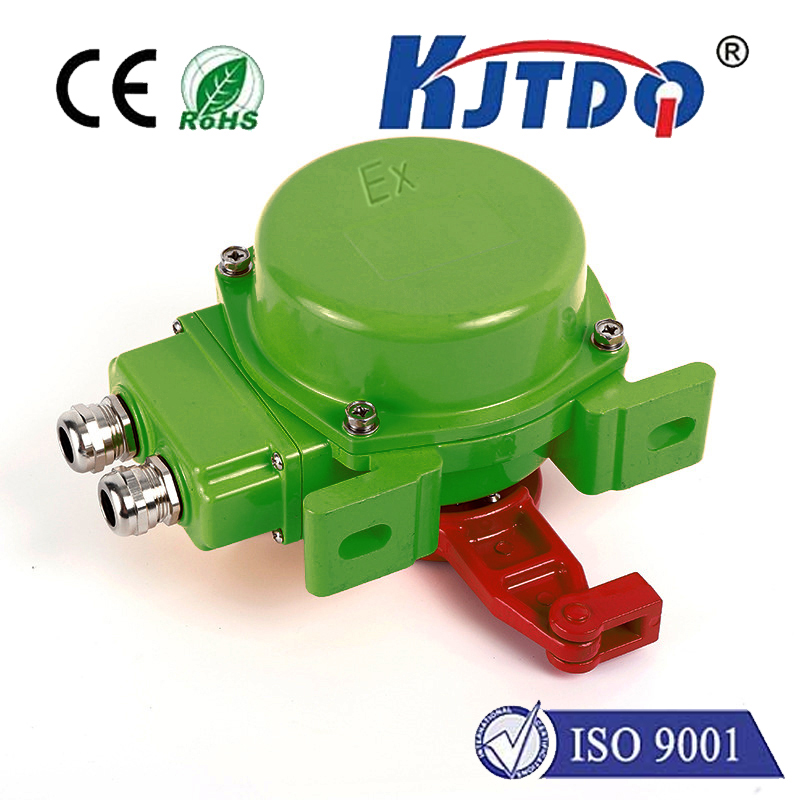
boom limit switch
- time:2025-08-04 12:08:04
- Click:0
Boom Limit Switches: Your Essential Safety Guardians Against Overextension
Imagine the scene: a towering construction crane lifts a critical load towards its apex. Or, a fire truck’s aerial ladder extends towards a blazing upper floor. Now, imagine that boom or ladder just keeps going, pushing past its safe mechanical limits. The potential consequences – catastrophic structural failure, severe damage, devastating accidents – are unthinkable. This precise, critical scenario is where the often-overlooked, yet fundamentally vital boom limit switch becomes an absolute hero. Far more than just another component, it stands as an indispensable safety sentinel, silently and reliably preventing disaster by ensuring booms operate strictly within their engineered boundaries.
Understanding the Core Function: Halting Overreach
At its most fundamental level, a boom limit switch is an electro-mechanical safety device. Its primary, non-negotiable mission is to detect when a boom, arm, or similar moving structure approaches or reaches its predetermined safe maximum angle or extension. Upon reaching this critical setpoint, the switch automatically activates, triggering one of two essential safety responses:
- Immediate Movement Halt: It directly cuts power or sends a signal to stop the mechanism driving the boom’s extension or elevation.
- Warning Signal Activation: It triggers audible and/or visual alarms, alerting the operator that a limit is imminent or has been reached, prompting immediate corrective action.
Think of it as an unblinking mechanical watchdog, constantly monitoring the boom’s position. Its sole purpose is to intervene before human error, system malfunction, or misjudgment leads to boom overextension – a primary cause of costly accidents and equipment damage across numerous industries.
Why Boom Safety Switches Are Non-negotiable
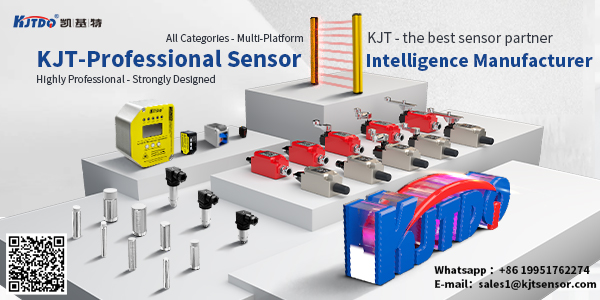
The importance of robust, well-maintained boom limit switches cannot be overstated. Their critical role encompasses:
- Personnel Safety: Preventing booms from collapsing, striking objects, or exceeding stability limits protects operators, ground crews, and bystanders from life-threatening injuries. They are a cornerstone of workplace safety protocols.
- Asset Protection: Overextension places immense, damaging stress on hydraulic cylinders, structural members, pins, and bearings. A functioning limit switch prevents this physical abuse, significantly extending equipment lifespan and avoiding astronomical repair/replacement costs. Preventing just one major failure often justifies the entire system’s cost.
- Operational Integrity & Compliance: Unexpected downtime due to avoidable boom damage is incredibly costly. Furthermore, reliable limit switch operation is frequently mandated by stringent safety regulations (OSHA, ANSI, CE, etc.) and equipment manufacturer specifications. Non-compliance carries significant legal and financial risks.
- Operator Confidence: Knowing that a reliable safety backup exists allows operators to focus on the task at hand with greater assurance, enhancing overall productivity and precision.
Decoding the Mechanism: How Does It Actually Work?
The specific design varies, but the core principle remains consistent across most boom limit switches:
- Activation Trigger: Switch activation relies on physical contact or proximity detection related to the boom’s movement. Common methods include:
- Mechanical Lever/Cam: A lever arm physically contacting a cam mounted on the rotating boom section or a fixed point as the boom angles/extends.
- Rotary Encoder/Resolver: Directly measures angular position through shaft rotation.
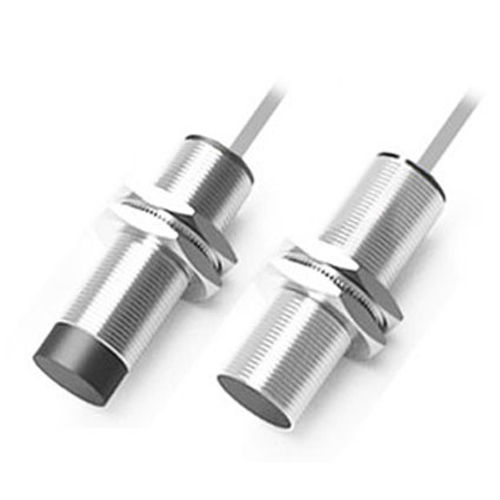
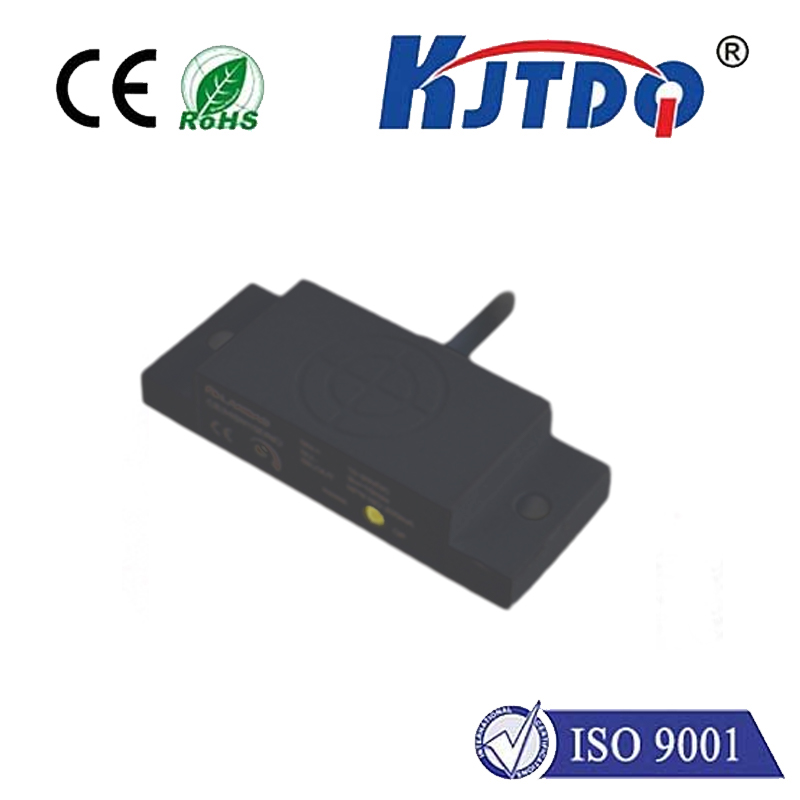
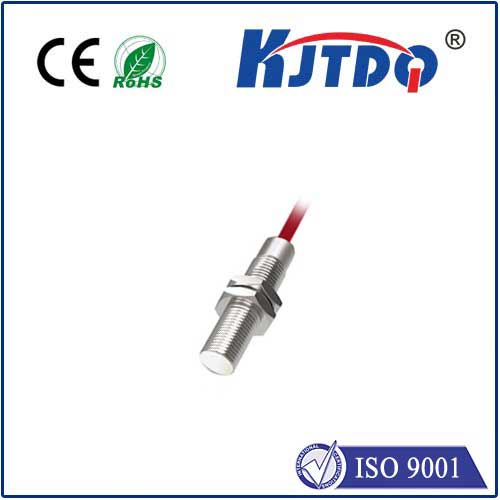
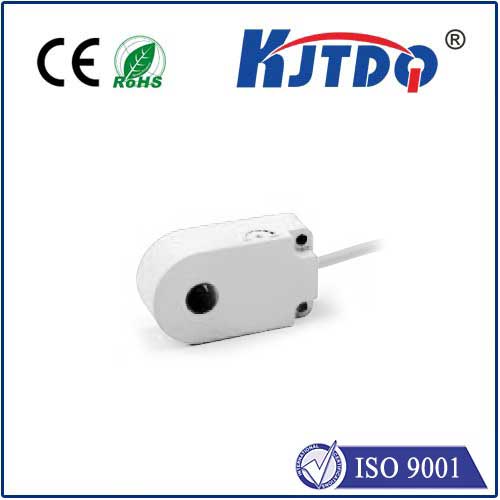
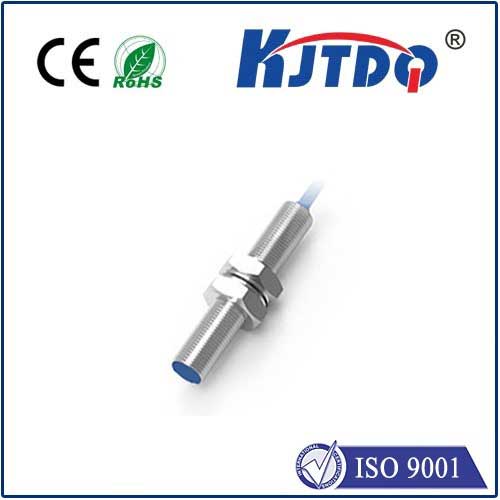
- Proximity Sensor: Detects the presence (without contact) of a target mounted on the moving boom section.
- Magnetic Reed Switch: Activates when a magnet passes near the switch.
- Internal Switching Element: When triggered, this element changes state. This is often a robust microswitch (lever-actuated) or solid-state sensor outputting a signal.
- Output Signal: This state change generates an electrical output signal:
- Simple Cut-off: Breaks the circuit powering the extension/elevation function.
- PLC/Controller Input: Sends a discrete signal (e.g., “Limit Reached”) to the machine’s central control system, which then halts movement or initiates an alarm sequence.
The setpoint – the exact angle or extension where the switch activates – is carefully calibrated during installation or commissioning to match the machine’s specific safe operational envelope. Precise calibration is crucial for reliable protection without causing nuisance shutdowns.
Where Boom Limit Safety is Paramount
These critical safety devices are ubiquitous in equipment featuring articulated booms or arms:
- Mobile Cranes (Truck-Mounted, All-Terrain, Rough-Terrain): Preventing boom overangle is fundamental to stability and structural integrity.
- Aerial Work Platforms (AWPs) / Manlifts (Scissor Lifts, Boom Lifts): Essential for preventing over-extension that could lead to tip-over or structural failure, safeguarding workers at height.
- Articulating Cranes (Knuckle Booms): Common on service trucks, preventing over-angulation or over-extension that could damage the boom or mounting.
- Fire Apparatus Aerial Ladders & Platforms: Critical for rescue operations, ensuring ladders don’t extend beyond safe parameters under pressure.
- Material Handlers & Forestry Equipment: Protecting complex boom structures during demanding material handling or harvesting operations.
- Industrial Manipulators: Safeguarding movements within defined workspaces.
Choosing and Maintaining Your Mechanical Watchdog
Selecting the right boom limit switch involves considering environmental factors (dust, moisture, vibration, temperature extremes), the required switching mechanism (contact vs. non-contact), signal type needed, and the mechanical forces involved. Durability is paramount – these are always-on safety devices in harsh conditions.
Equally critical is proactive maintenance:
- Regular Inspection: Visually check for physical damage, corrosion, or loose mounting. Ensure moving parts (levers, arms) aren’t bent or obstructed.
- Functional Testing: Periodically test the switch during pre-operational checks to confirm it correctly halts movement or triggers the alarm before the physical limit is reached. Never bypass a limit switch!
- Cleaning: Keep the switch and its actuation mechanism free from accumulated dirt, grease, or debris that could impede movement or sensing ability.
- Calibration Verification: Over time, wear or impacts can subtly shift calibration. Schedule checks against known reference points periodically.
- Prompt Replacement: If a switch is damaged, malfunctions, or becomes unreliable during testing, replace it immediately with an appropriate, quality component. Downtime for replacement is insignificant compared to the risk of operating without protection.
The Unseen Essential
In the grand choreography of heavy machinery operation, the boom limit switch rarely takes center stage. Its success is measured by the disasters that don’t happen. Yet, its role as the final, automatic barrier against catastrophic boom overextension makes it one of the most crucial safety investments you can make. It’s an electromechanical guarantee of operational boundaries, diligently ensuring every movement stops safely at the edge of the possible. Understanding its function, respecting its necessity, and maintaining its reliability isn’t just good practice – it’s fundamental to protecting lives, equipment, and the seamless flow of critical operations where booms reach for the sky.