check

check

check

check
check
check
check
check

check

check
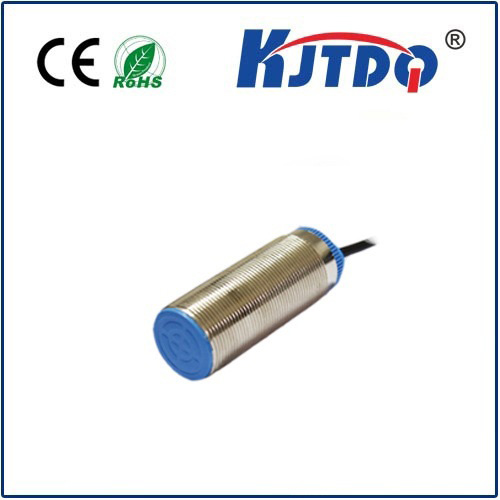
Imagine waving your hand near a faucet to start the water flow, your smartphone screen dimming as you raise it to your ear, or even a piece of industrial equipment pausing automatically when someone gets too close. These seemingly magical responses are often powered by an unassuming yet crucial technology: the capacitive proximity sensor. Far more sophisticated than a simple touch switch, these sensors detect nearby objects without physical contact, enabling the seamless, intuitive, and often safer interactions we increasingly take for granted. Delving into how they operate reveals why they’ve become indispensable across countless applications.
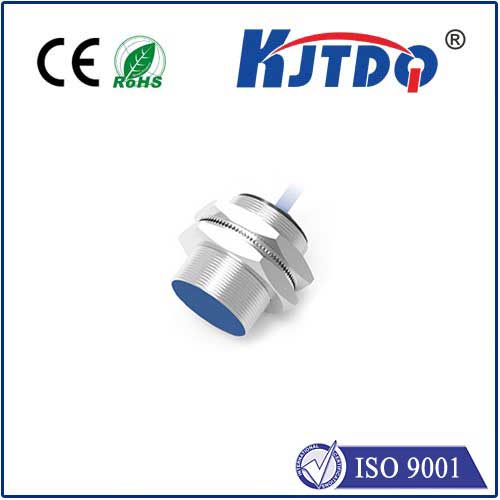
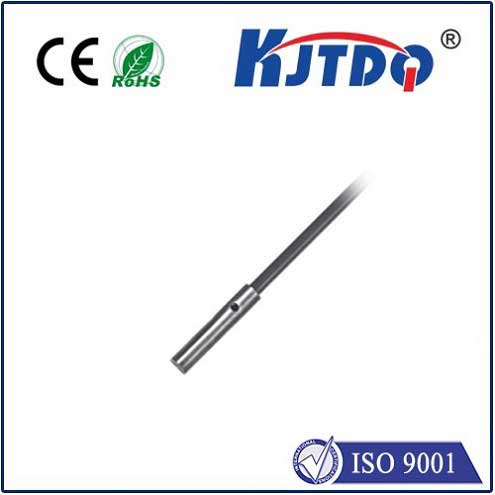
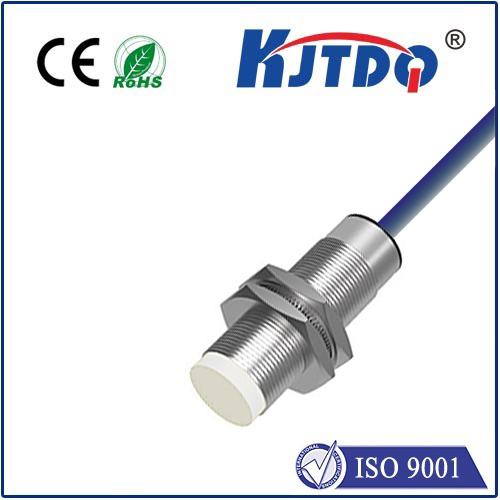
At its core, a capacitive proximity sensor functions by exploiting the fundamental principle of capacitance – the ability of a system to store an electrical charge. Unlike inductive sensors that detect metals using magnetic fields, capacitive sensors generate an electrostatic field. This field emanates from the sensor’s active surface, typically formed by one or more electrodes.
Here’s the essential mechanism:
The magic lies in their versatility. Key characteristics define their advantages:
These capabilities translate into a staggering array of practical applications:
While powerful, understanding their limitations ensures optimal deployment. Detection range is typically shorter than some inductive or ultrasonic sensors, often measured in millimeters to a few centimeters. Performance can be influenced by the sensor size and the target object’s size and material properties (density, dielectric constant). Conductive targets are generally detected at longer ranges than non-conductive ones. The surrounding environmental conditions are also critical; high humidity, temperature extremes, or the presence of strong electrical noise can affect stability, necessitating proper selection and shielding.
Looking ahead, capacitive proximity technology continues to evolve rapidly. Sensor miniaturization enables integration into ever-smaller devices. Enhanced signal processing algorithms are improving immunity to environmental noise and allowing for more complex detection patterns and multi-object sensing. Furthermore, the integration of capacitive sensors with AI and machine learning promises even smarter context-aware interactions, enabling systems to interpret gestures or proximity patterns with greater sophistication – think beyond simple presence/absence to discerning intent. Touchless interfaces, powered by this reliable sensing method, are poised to become even more pervasive, defining the next generation of human-machine interaction in an increasingly hygiene-conscious and automation-driven world. Their ability to perceive the immediate physical environment invisibly and reliably ensures their role as a cornerstone of modern sensing technology.