check

check

check

check
check
check
check
check

check

check
**Imagine a robotic arm smoothly gliding within millimeters of a fragile component, a conveyor belt instantly stopping when a worker’s hand ventures too close, or a high-speed bottling line flawlessly counting containers whizzing past. This precision, this safety, this relentless efficiency – it largely hinges on a silent, unassuming sentinel: the inductive proximity sensor. Devices like the ubiquitous LJ8A3-Z/AY are fundamental components in countless automated systems, operating tirelessly behind the scenes.** Understanding their function and significance is key to appreciating the intricate dance of modern industry.
At its core, a proximity sensor like the LJ8A3-Z/AY detects the presence or absence of a nearby object without physical contact. This non-contact detection is crucial. It eliminates wear and tear, provides incredibly fast response times (often measured in milliseconds), and functions reliably in harsh environments laden with dust, oil, vibration, or temperature extremes where mechanical switches would falter.
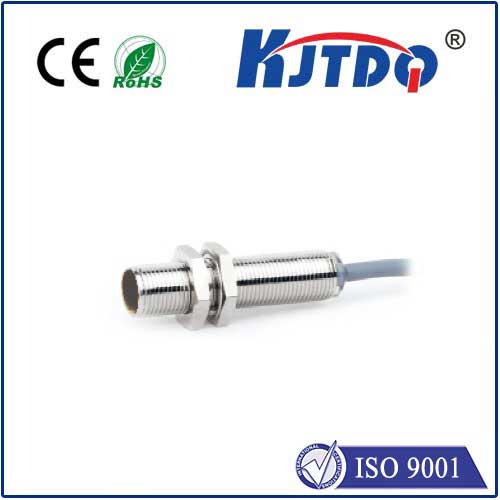
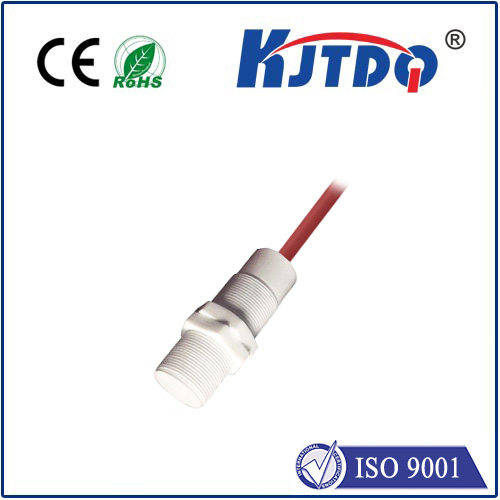
The LJ8A3-Z/AY specifically belongs to the family of inductive proximity sensors. Their magic lies in electromagnetism. Inside the sensor’s sensing face lies a coil fed by an oscillator, generating a high-frequency electromagnetic field. When a metallic target (typically ferrous metals like steel or iron, though specialized types work with non-ferrous metals) enters this field, it induces small electrical currents within the metal itself, known as eddy currents. These eddy currents draw energy from the sensor’s oscillating field, causing its amplitude to decrease. Sophisticated circuitry within the sensor continuously monitors this oscillation level. When the amplitude drop exceeds a predefined threshold (indicating a target is within the specified sensing range), the sensor’s output state switches – like an electronic gatekeeper silently flipping a switch.
So, what makes the LJ8A3-Z/AY a common choice? Its designation often implies specific characteristics common in this form factor:
/AY might signify a 3-wire DC sensor with a PNP Normally Open (NO) transistor output./BX could denote a 3-wire DC sensor with an NPN Normally Closed (NC) output.Integrating LJ8A3-Z/AY sensors effectively requires careful consideration:
The versatility of the LJ8A3-Z/AY proximity sensor makes it indispensable across countless industries:
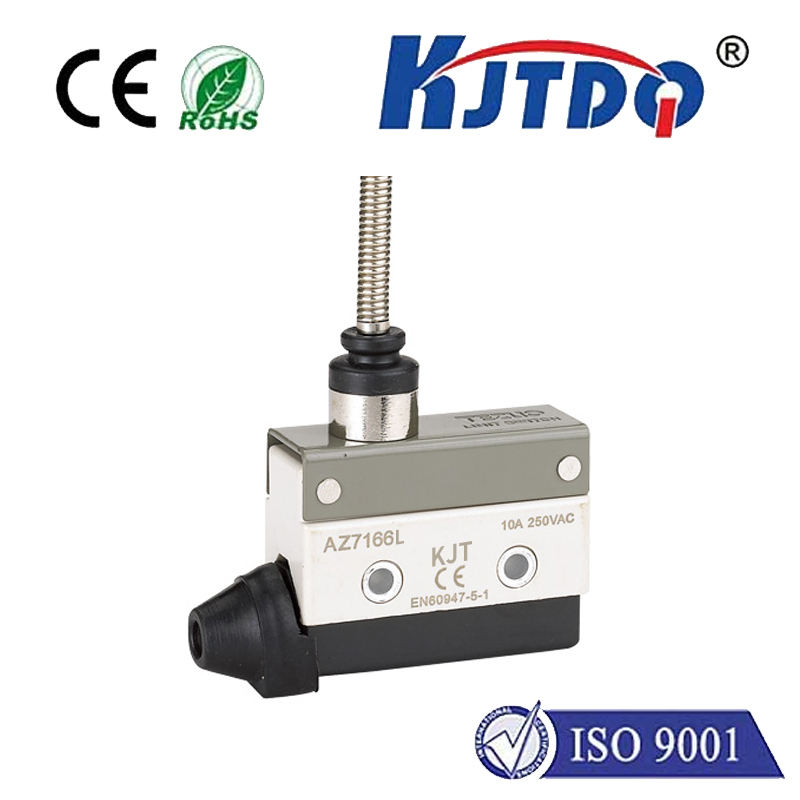
Replacing mechanical limit switches with LJ8A3-Z/AY sensors offers transformative advantages. Wear becomes virtually nonexistent due to non-contact operation. The incredibly fast response times enable high-speed processes mechanical switches could never keep up with. Sealed designs withstand environments that would quickly destroy sensitive contacts. Outputs provide clean, bounce-free signals for precise control logic. While familiarity with terms like “LJ8A3 2 Z AY proximity sensor” helps identify specific models, the enduring power lies in the fundamental principle of reliable, contactless metal detection that underpins industrial reliability.