check

check

check

check

check

check
In the rapidly evolving landscape of industrial automation, precision, reliability, and durability are non-negotiable. The PR18-B0DPO photoelectric switch stands as a cornerstone technology, engineered to meet the rigorous demands of modern manufacturing and control systems. This device exemplifies the seamless integration of advanced optoelectronics into practical, high-performance sensing solutions.
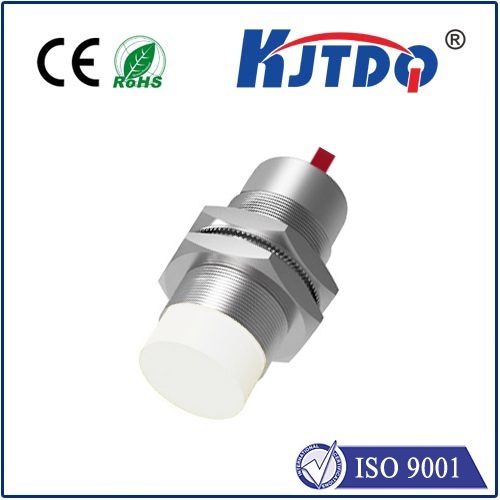
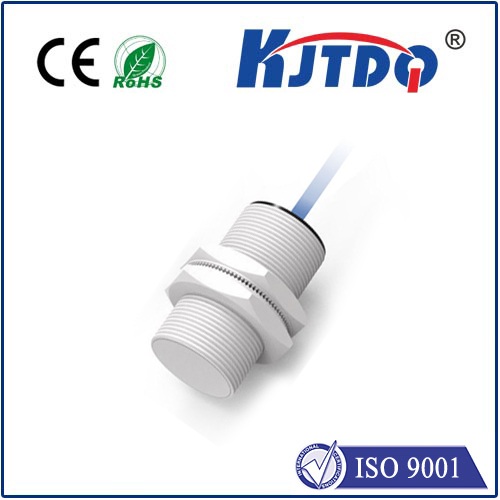
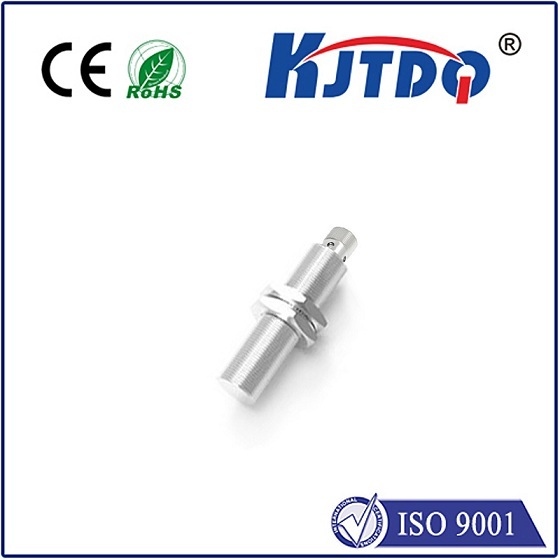
At its core, the PR18-B0DPO is a diffuse reflective photoelectric sensor. It operates by emitting a beam of light from its built-in LED and detecting the light reflected back from a target object. Unlike through-beam sensors that require separate emitter and receiver units, this self-contained design simplifies installation and reduces wiring complexity. The "B0DPO" designation often refers to specific operational characteristics, such as its sensing distance, output configuration (typically a digital PNP or NPN transistor output), and housing material. The PR18 cylindrical metal housing, usually made of stainless steel or nickel-plated brass, provides exceptional resistance to environmental stressors like moisture, oil, dust, and mechanical impact, making it ideal for harsh industrial settings.
The applications for the PR18-B0DPO are vast and critical. On packaging lines, it accurately detects the presence, absence, or position of products on conveyors, ensuring smooth operation and preventing jams. In material handling, it counts objects, monitors fill levels in bins or hoppers, and verifies component placement in assembly processes. Its high switching frequency allows it to detect very fast-moving objects, a necessity in high-speed bottling or semiconductor manufacturing. Furthermore, its insensitivity to color variations (within specified limits) and ability to sense a wide range of materials—from metals and plastics to glass and liquids—grant it remarkable versatility.
Key technical advantages set the PR18-B0DPO apart. First is its adjustable sensing range. Many models feature a potentiometer for fine-tuning sensitivity, allowing operators to ignore background objects and focus on the primary target. This adjustability is crucial for applications with varying object sizes or inconsistent positioning. Second is its robust construction. The sealed housing often meets high Ingress Protection (IP) ratings like IP67, safeguarding the internal electronics from water and dust ingress. Third is its stable performance. Advanced circuitry compensates for ambient light interference and component aging, ensuring consistent operation over long periods without false triggers or signal drift.
When integrating the PR18-B0DPO into a system, several best practices ensure optimal performance. Correct alignment is fundamental; the sensor must be positioned so the emitted light beam strikes the target object effectively. For diffuse sensors, the sensing distance can be affected by the color, texture, and size of the object—lighter, more reflective materials are detected at greater ranges. Environmental factors like heavy dust, steam, or highly reflective backgrounds can sometimes cause interference, which may necessitate using a sensor with a background suppression feature or a different sensing mode. Regular maintenance, primarily lens cleaning to remove accumulated dirt or grime, preserves sensing accuracy.
Comparing the PR18-B0DPO to other sensing technologies highlights its value. While inductive proximity sensors are excellent for detecting metals only, and capacitive sensors for detecting materials with a dielectric constant, photoelectric switches offer non-contact detection of virtually any solid or liquid object. Their longer sensing ranges outperform these alternatives for many applications. Ultrasonic sensors, though also versatile, can be slower and more susceptible to temperature variations and air turbulence. The PR18-B0DPO provides a balanced solution of speed, range, and material versatility.
The future of sensors like the PR18-B0DPO is intertwined with Industry 4.0. Modern iterations are increasingly featuring IO-Link communication, a point-to-point serial protocol that transforms a simple switch into an intelligent device. With IO-Link, the sensor can transmit detailed diagnostic data—such as operating hours, temperature warnings, or signal strength—to a central controller, enabling predictive maintenance and reducing unplanned downtime. This digital connectivity allows for remote parameter adjustment, simplifying changeovers in flexible production lines.
In conclusion, the PR18-B0DPO photoelectric switch is more than just a component; it is a critical enabler of efficiency, safety, and quality in automated systems. Its robust design, adaptable functionality, and proven reliability make it a trusted choice for engineers and system integrators worldwide. From controlling complex robotic cells to performing simple object detection, it delivers the performance needed to keep industries moving forward. Selecting the right sensor, understanding its capabilities, and installing it correctly are essential steps in building a resilient and productive automation infrastructure.