check

check

check

check

check

check
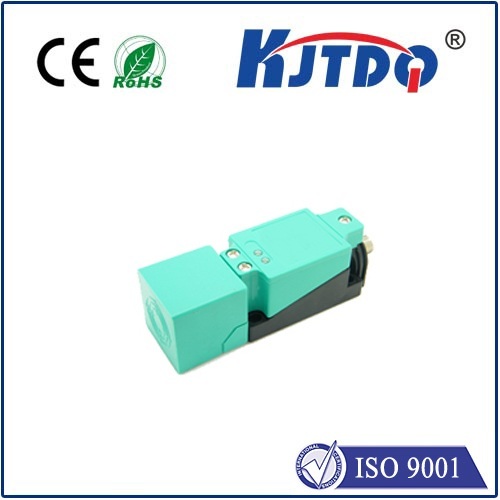
Revolutionizing Industrial Sensing: The Power of High Temperature Inductive Sensors In the ever-evolving world of industrial automation, precision and reliability are non-negotiable. Among the unsung heroes of this domain are high temperature inductive sensors, which have redefined how industries monitor and control processes in extreme environments. These sensors are not just tools; they are game-changers that ensure efficiency, safety, and accuracy even in the harshest conditions. What Are High Temperature Inductive Sensors? High temperature inductive sensors are specialized devices designed to detect the presence or absence of metallic objects in environments where temperatures soar beyond the capabilities of standard sensors. Unlike traditional sensors, which may fail or degrade under extreme heat, these sensors are engineered with robust materials and advanced technologies to withstand temperatures that would otherwise render conventional systems ineffective. The core principle of inductive sensing involves generating an electromagnetic field to detect metallic objects. When a metal object enters this field, it induces eddy currents, which alter the field and trigger the sensor. High temperature inductive sensors take this principle a step further by incorporating heat-resistant components, ensuring consistent performance even in environments like foundries, steel mills, or aerospace manufacturing facilities. Why Are They Essential in Industrial Applications? Industries that operate under high-temperature conditions face unique challenges. For instance, in metal casting or glass manufacturing, temperatures can easily exceed 500°C (932°F). Standard sensors would fail in such environments, leading to costly downtime, safety hazards, and compromised product quality. High temperature inductive sensors address these challenges head-on. Their ability to function reliably in extreme heat ensures uninterrupted operations, reduces maintenance costs, and enhances overall productivity. Additionally, their precision in detecting metallic objects ensures that processes like positioning, sorting, or quality control are executed flawlessly, even in the most demanding settings. Key Features and Benefits