check

check

check

check
check
check
check
check

check

check

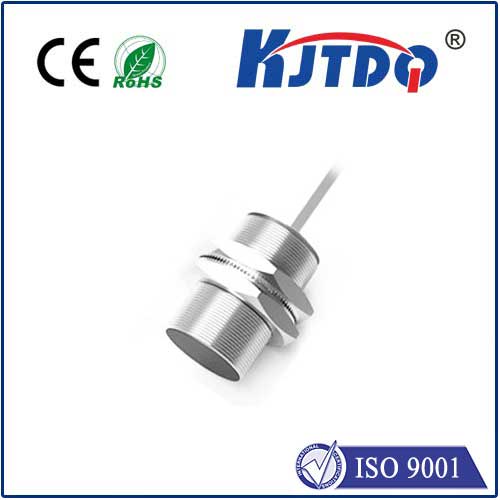
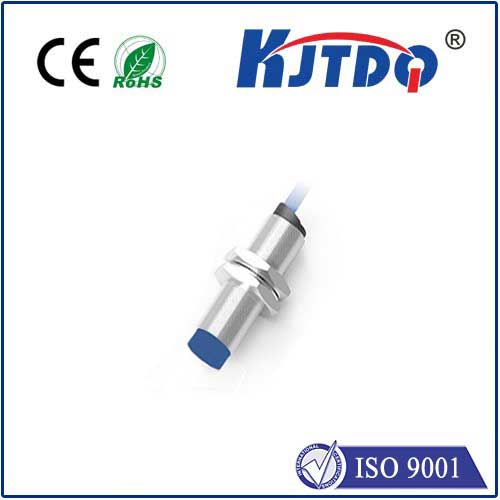
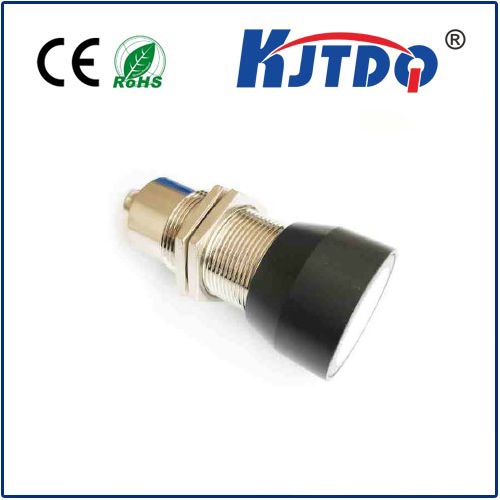
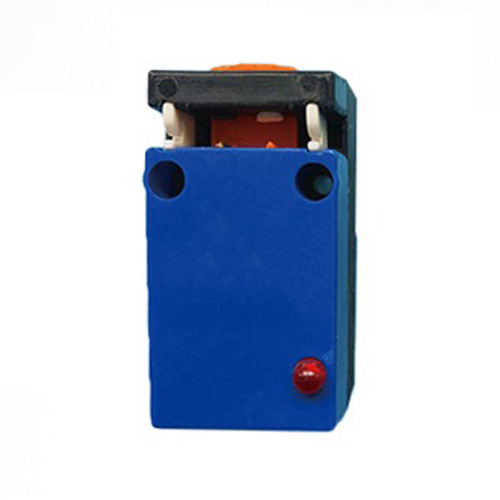
Exploring the World of Non-Ferrous Proximity Sensors: Applications and Advancements” In the realm of modern automation and sensing technology, non-ferrous proximity sensors have emerged as vital tools for accurate detection and measurement in various industries. These sensors, which are designed to detect metal objects without the need for physical contact, offer a range of benefits that make them indispensable in today’s technological landscape. This article delves into the world of non-ferrous proximity sensors, exploring their applications, advancements, and how they contribute to enhancing operational efficiency across different sectors. Understanding Non-Ferrous Proximity Sensors At its core, a non-ferrous proximity sensor operates based on the principles of electromagnetic fields or capacitive coupling. Unlike ferrous sensors that rely on changes in magnetic fields, non-ferrous variants can detect both ferrous (iron-containing) and non-ferous (non-iron) materials. This capability is crucial in environments where the presence of different types of metals must be monitored or controlled, such as in recycling processes, manufacturing lines, and quality control systems. Key Applications Across Industries