check

check

check

check
check
check
check
check

check

check

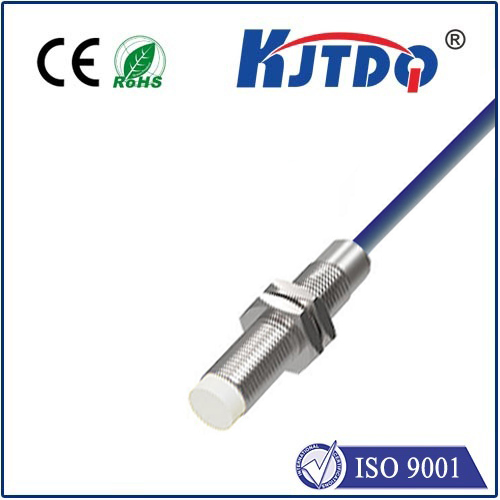
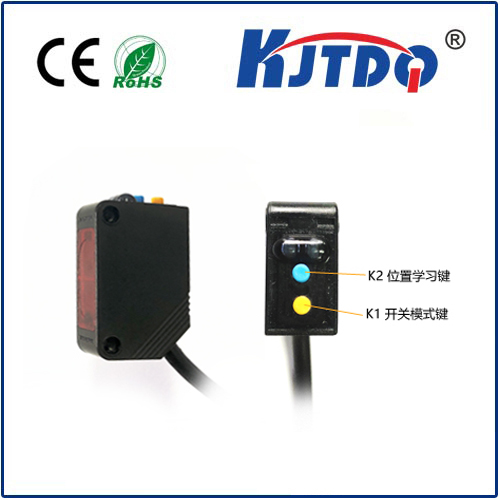
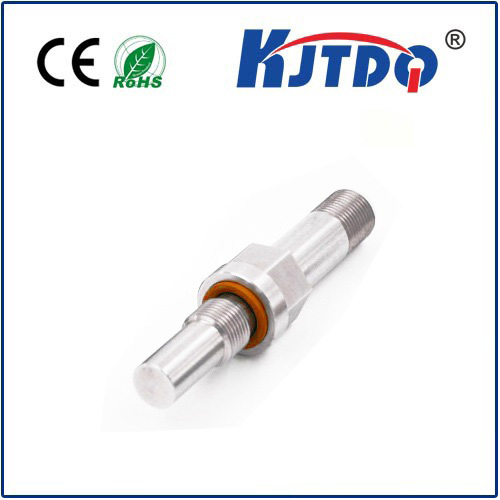
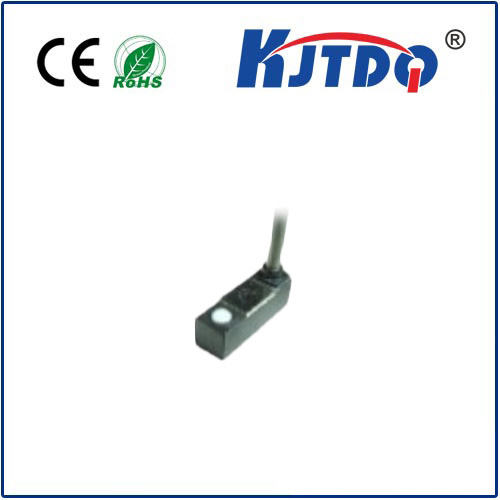
Understanding the Impact of a No Proximity Sensor: A Comprehensive Guide In today’s tech-driven world, proximity sensors play a vital role in various electronic devices, from smartphones to automated manufacturing systems. These sensors are designed to detect nearby objects or surfaces without physical contact, providing essential functionality such as screen activation, object detection, and safety measures. However, what happens when a device lacks a proximity sensor? Let’s delve into the implications and alternatives. What is a Proximity Sensor? A proximity sensor is an electronic device that detects the presence or absence of an object by measuring the changes in a specific variable, such as light intensity, sound waves, or electromagnetic fields. The most common type used in consumer electronics is the infrared proximity sensor found in smartphones, which deactivates the touchscreen when you bring the phone close to your face during a call. Challenges Without a Proximity Sensor