check
check
check
check
check
check
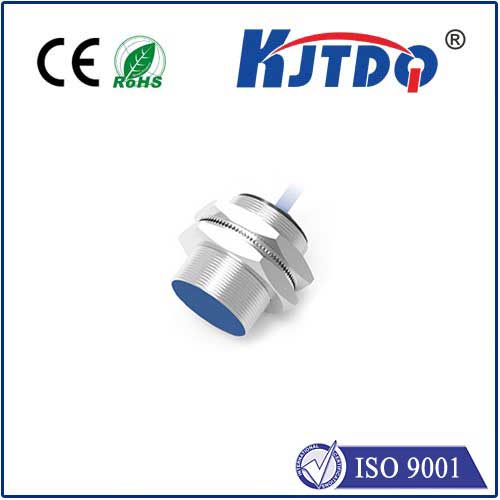
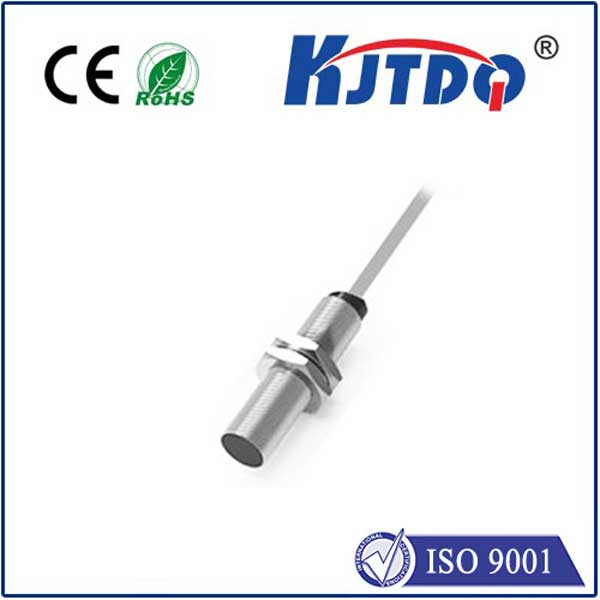
The Ultimate Guide to the BES045P Inductive Proximity Sensor: Unlocking Precision and Innovation In the realm of industrial automation and control systems, sensors play a crucial role in ensuring smooth operations and enhancing productivity. Among the myriad of sensors available, inductive proximity sensors stand out for their versatility, reliability, and accuracy. One such standout product is the BES045P Inductive Proximity Sensor. This article will delve into what makes this sensor unique, its key features, applications, and how it contributes to precision in various industries. Understanding Inductive Proximity Sensors: A Brief Primer Before exploring the specifics of the BES045P model, let’s first understand the fundamental concept behind inductive proximity sensors. These sensors operate based on electromagnetic fields and are designed to detect metallic objects without direct contact. When a metal target comes within the sensing range of an inductive sensor, it disrupts the oscillator circuit inside the sensor, causing a change in voltage or current. This change is then converted into an electrical signal, indicating the presence or absence of the metallic object. Introducing the BES045P Inductive Proximity Sensor The BES045P is a high-performance inductive proximity sensor that has garnered widespread acclaim for its exceptional sensitivity, robustness, and adaptability across diverse environments. Manufactured with precision engineering, this sensor is tailored to meet the demanding requirements of modern industrial applications. Key Features at a Glance