

check

check

check

check

check

check

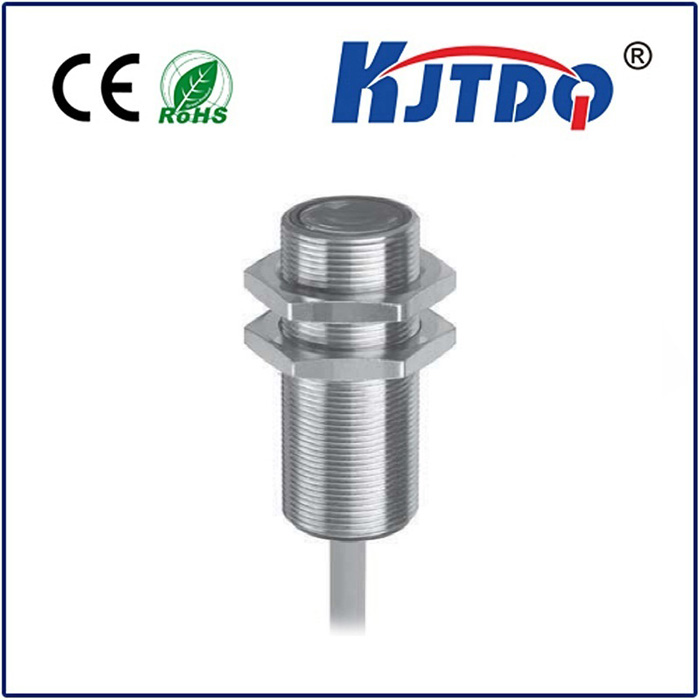
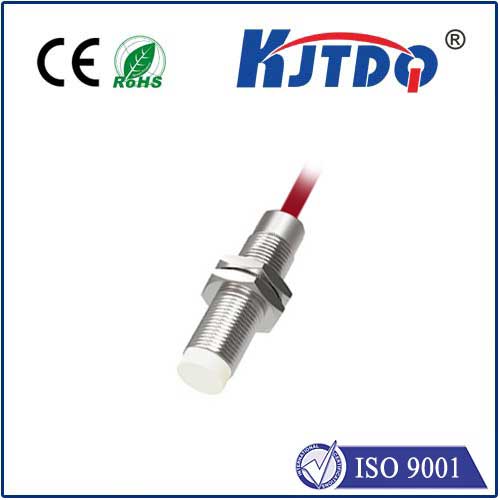
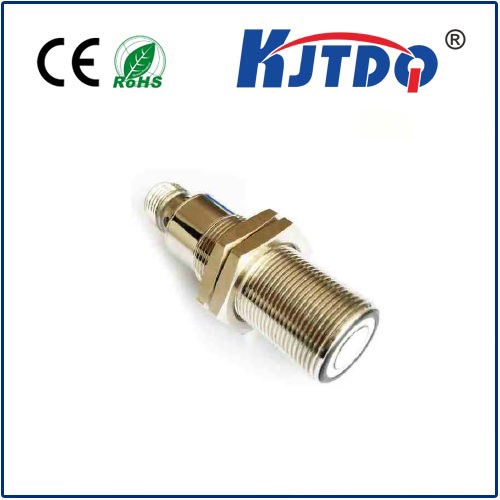
Title: “Enhancing Automation with the BES01TF Inductive Proximity Sensor: A Comprehensive Guide” In today’s era of automation and precision engineering, selecting the right sensor for your application is crucial. Among the myriad of choices available on the market, inductive proximity sensors have carved out a significant niche due to their robust performance, reliability, and versatility. Among these, the BES01TF Inductive Proximity Sensor stands out as a top contender, particularly known for its exceptional accuracy, durability, and adaptability across various industrial settings. This article delves into the specifics of the BES01TF model, exploring its features, applications, and the benefits it brings to modern automation systems. Understanding Inductive Proximity Sensors: A Primer Before we dive into the unique attributes of the BES01TF, let’s briefly revisit what an inductive proximity sensor is. Unlike capacitive or optical sensors that rely on changes in material dielectric constant or light reflection, inductive sensors operate based on the principle of electromagnetic induction. They detect the presence or absence of metallic objects within their sensing range by generating an oscillating magnetic field. When this field interacts with a conductive material, it causes a change in the sensor’s oscillation, triggering an output signal. The BES01TF Inductive Proximity Sensor leverages this fundamental technology, but with enhancements tailored for demanding industrial environments where precision matters most. Key Features of the BES01TF Sensor