check
check

check

check
check
check
check
check

check

check

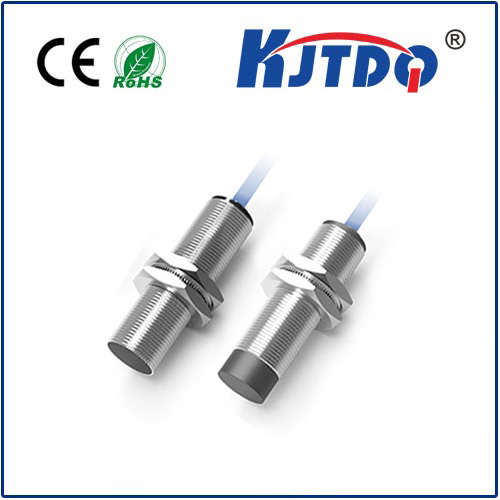
Vibration Proximitor: Understanding the Power of Proximity Sensors In today’s technologically advanced landscape, sensors play a critical role in various industries. Among these, vibration proximity sensors, also known as viproxi or vibro-acoustic sensors, have emerged as essential tools for predictive maintenance and structural monitoring. This article delves into the fundamentals, applications, and benefits of vibration proximity sensors to provide a comprehensive understanding of their significance in modern technology. What Are Vibration Proximitors? Vibration proximity sensors are specialized devices designed to detect and measure the distance to a target object by analyzing vibrations or acoustic waves. They operate based on the principle of vibro-acoustics, where mechanical vibrations produce sound waves that travel through a medium such as air, water, or solid materials. These sensors are particularly adept at identifying and quantifying the minute changes in these vibrations, allowing for precise measurement of proximity. **How Do Vibration Proximitors Work? The working mechanism of a vibration proximity sensor involves generating a specific frequency of vibrations or acoustic waves and then measuring the time it takes for these waves to travel to the target and back. The sensor analyzes the reflected waves to calculate the distance. This non-contact method ensures high accuracy and reliability, making these sensors indispensable in applications requiring precise distance measurements without physical contact. Applications of Vibration Proximitors