check
check

check

check
check
check
check
check

check

check

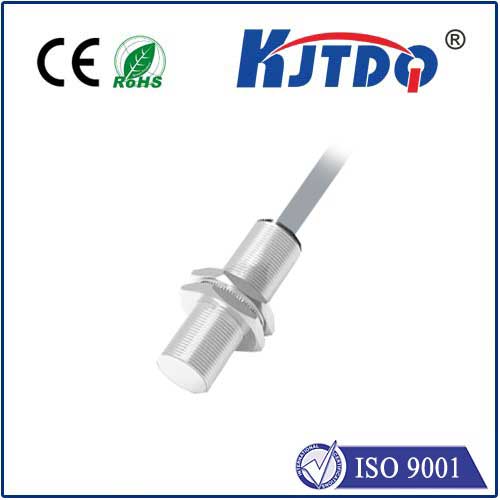
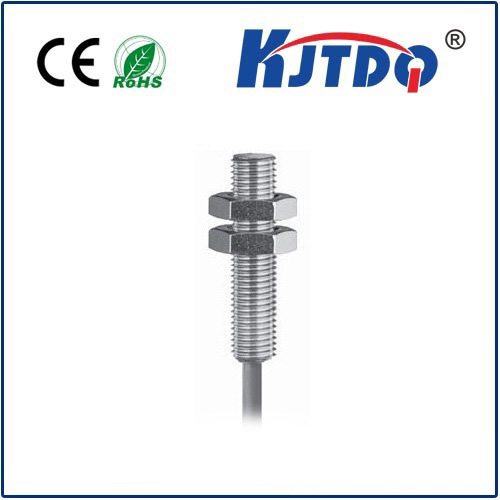
The Comprehensive Guide to Inductive Switches and Proximity Sensors In the dynamic world of automation and sensing technology, inductive switches and proximity sensors have emerged as indispensable tools. These devices play a crucial role in various industries by providing accurate and reliable detection without the need for physical contact. This article aims to provide an in-depth understanding of inductive switches and proximity sensors, their functions, applications, and advantages. What Are Inductive Switches and Proximity Sensors? Inductive switches and proximity sensors are types of sensors that detect the presence or absence of a target object within a certain range without any physical contact. They operate based on the principles of electromagnetic fields. When a conductive object comes near the sensor, it alters the oscillator’s frequency, triggering the switch. How Do They Work? At the core of these sensors is the LC oscillator circuit, which generates an electromagnetic field. As a metal object approaches this field, it induces eddy currents, which in turn affects the impedance of the LC circuit, causing a shift in its resonant frequency. This frequency change is detected by the sensor’s electronics, resulting in the output signal—either digital (on/off) or analog (continuous). Key Features and Benefits