check

check

check

check
check
check
check
check
check

check
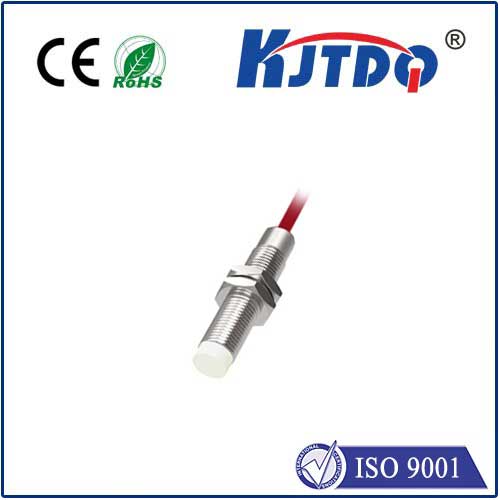
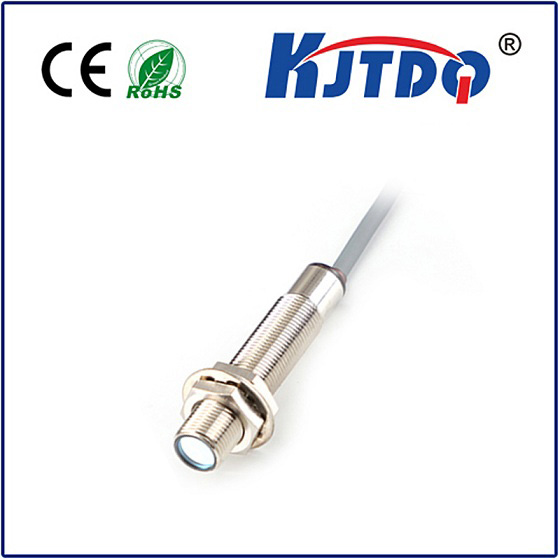
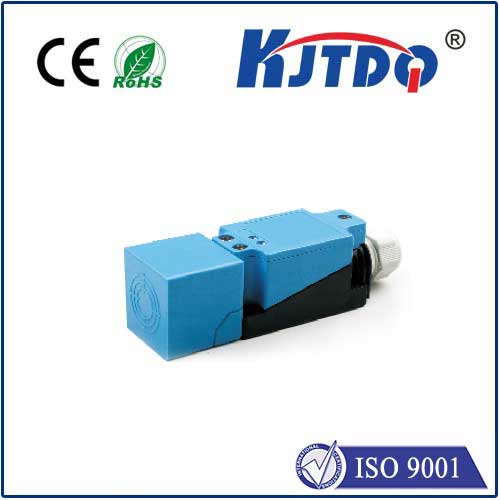
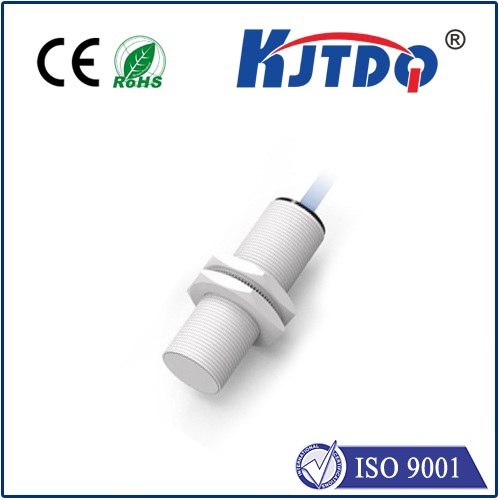
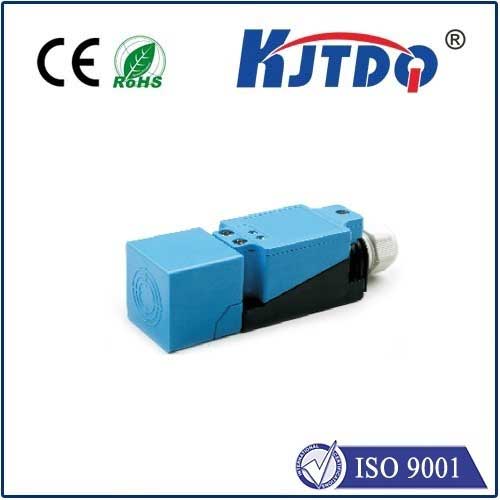
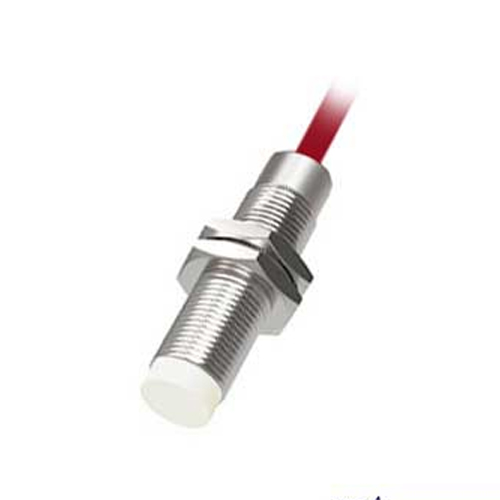
Enhancing RPM Measurement with Inductive Proximity Sensors: A Comprehensive Guide In the realm of industrial automation and mechanical engineering, accurate measurement of rotational speed (RPM) is crucial for optimizing performance, ensuring safety, and prolonging the lifecycle of machinery. Among the various technologies available for RPM measurement, inductive proximity sensors have emerged as a preferred choice due to their reliability, non-contact operation, and robustness under harsh environmental conditions. This article delves into the fundamentals, benefits, and applications of using inductive proximity sensors for RPM measurement. Understanding Inductive Proximity Sensors At its core, an inductive proximity sensor operates on the principle of electromagnetic induction. It consists of an oscillator coil that generates an electromagnetic field when excited by an AC current. When a metallic target approaches this field, it causes a change in the magnetic flux, which in turn alters the oscillation frequency or phase of the sensor’s circuitry. This change is detected electronically and converted into an electric signal, indicating the presence and distance of the target object without physical contact. Advantages of Using Inductive Proximity Sensors for RPM Measurement