check

check

check

check
check
check
check
check

check

check
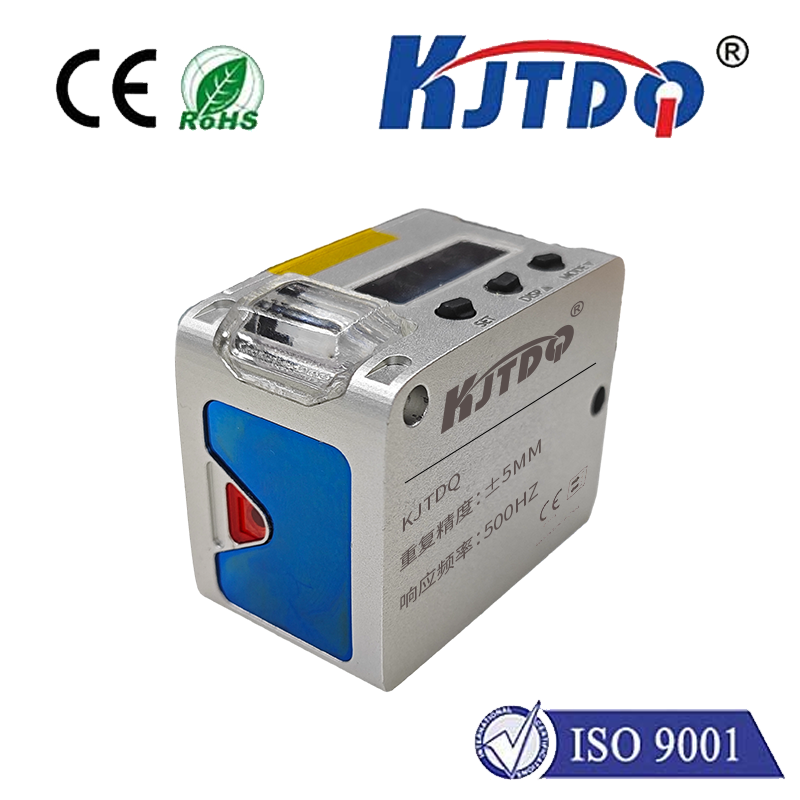
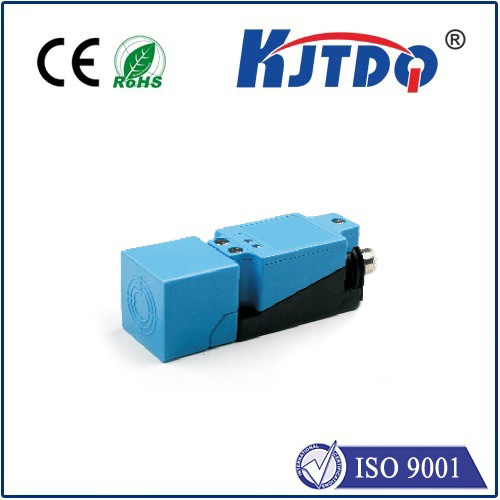
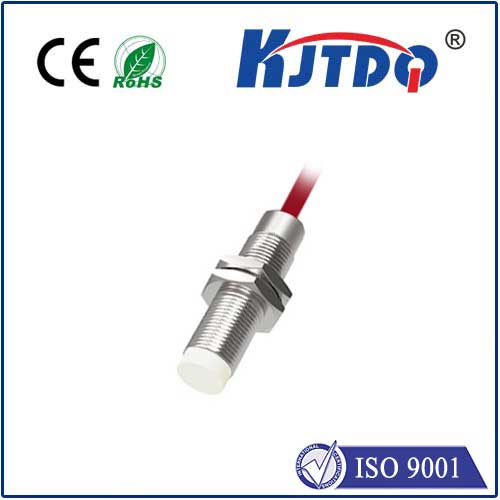
Title: Unveiling the Power of Bernstein Proximity Sensors In an era where automation and precision are paramount, Bernstein proximity sensors have emerged as indispensable tools in various industrial applications. These sensors not only ensure high efficiency but also contribute significantly to the safety and reliability of machinery. This article delves into the core aspects of Bernstein proximity sensors, exploring their functionality, benefits, and diverse applications. Understanding Bernstein Proximity Sensors Bernstein proximity sensors are advanced devices designed to detect the presence or absence of objects without any physical contact. These sensors operate based on principles such as electromagnetic fields, capacititive effects, or magnetic fields, depending on the specific type. The fundamental idea is that when an object comes within a certain range of the sensor, it triggers an electronic signal that can be processed for different operational controls or monitoring systems. Key Features of Bernstein Proximity Sensors One of the standout features of Bernstein proximity sensors is their versatility. They come in various types including inductive, capacitive, and photoelectric sensors, each suited for specific tasks. For instance: