check

check

check

check
check
check
check
check

check

check

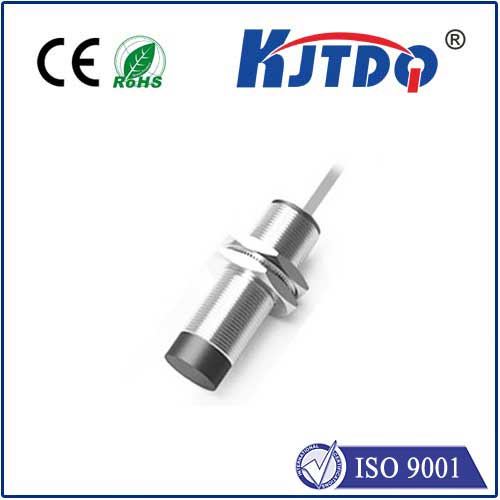
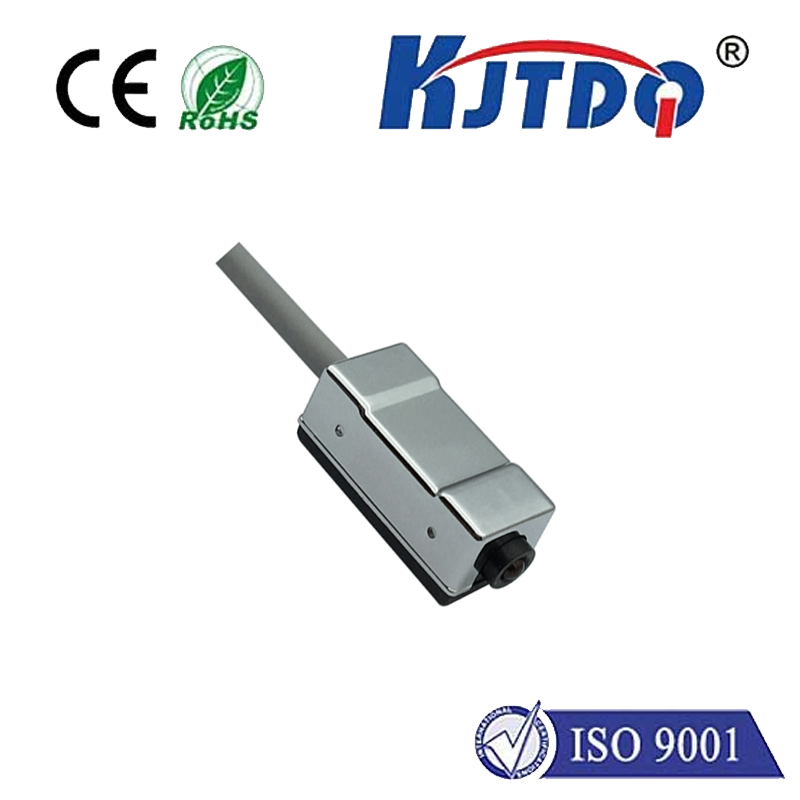
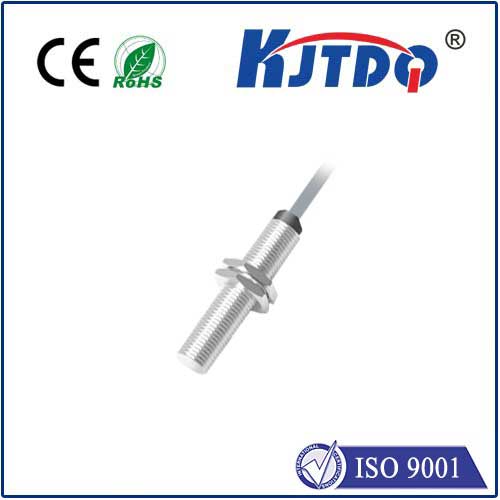
Title: Understanding the Functionality and Applications of Proximity Switch Magnetic Sensors The world of automation and electronics is replete with sophisticated technologies designed to enhance control, efficiency, and safety. Among these innovations, proximity switch magnetic sensors stand out for their reliability and versatility. This article delves into what proximity switches are, how they function, and the various applications where their use proves invaluable. What is a Proximity Switch Magnetic Sensor? A proximity switch magnetic sensor, often abbreviated as a proximity sensor, is an electronic device that detects the presence or absence of an object without any physical contact. Unlike traditional switches which require direct contact, proximity sensors rely on electromagnetic fields to sense objects approaching or moving away from them. The term ‘magnetic’ signifies that these sensors operate based on changes in an electromagnetic field, which can be induced by either permanent or electromagnets. How Do They Work? Proximity switch magnetic sensors work based on the principle of inductance variation or capacitive coupling. In an inductive sensor, an internal oscillator generates a high-frequency electromagnetic field. When a conductive target comes within range, it alters the electromagnetic field, causing a decrease in oscillation amplitude which is then converted into an electrical signal indicating detection. Capacitive sensors, on the other hand, detect changes in capacitance caused by the approach of a conductive or non-conductive target, altering the electric field between two electrodes within the sensor. Applications Across Industries The non-contact nature and robustness of proximity switches make them ideal for numerous applications across diverse industries: