check

check

check

check
check
check
check
check

check

check
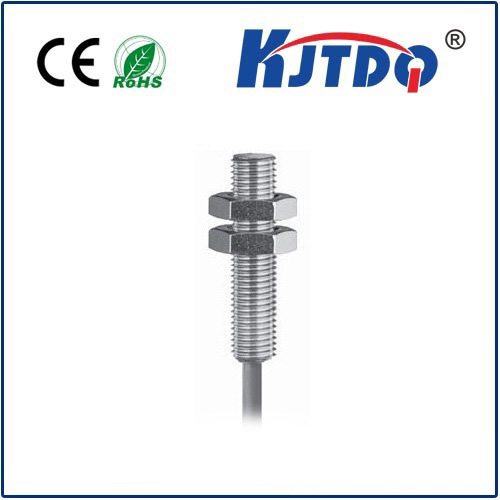
The High Temperature Inductive Sensor: Revolutionizing Industrial Sensing in Harsh Conditions In the world of industrial applications, sensors play an indispensable role in ensuring efficiency, safety, and productivity. Among a plethora of advanced sensing technologies, high temperature inductive sensors stand out due to their exceptional ability to operate reliably in extreme thermal environments. These sensors are designed to withstand temperatures far above those tolerated by conventional sensors, making them ideal for use in industries such as steel manufacturing, glass processing, and power generation. This article delves into the workings, advantages, and applications of high temperature inductive sensors, highlighting their transformative impact on various sectors. Understanding High Temperature Inductive Sensors High temperature inductive sensors are electronic devices that detect metallic objects within a certain proximity without requiring physical contact. They utilize the principle of electromagnetic induction whereby a change in the magnetic field caused by the presence of conductive material induces a current in the sensor’s coil, triggering an output signal. Unlike capacitive or optical sensors that may falter under extreme heat, inductive sensors leverage robust materials and specialized designs capable of enduring high temperatures while maintaining accurate detection capabilities. Key Advantages Over Conventional Sensors