check

check

check

check
check
check
check
check

check

check

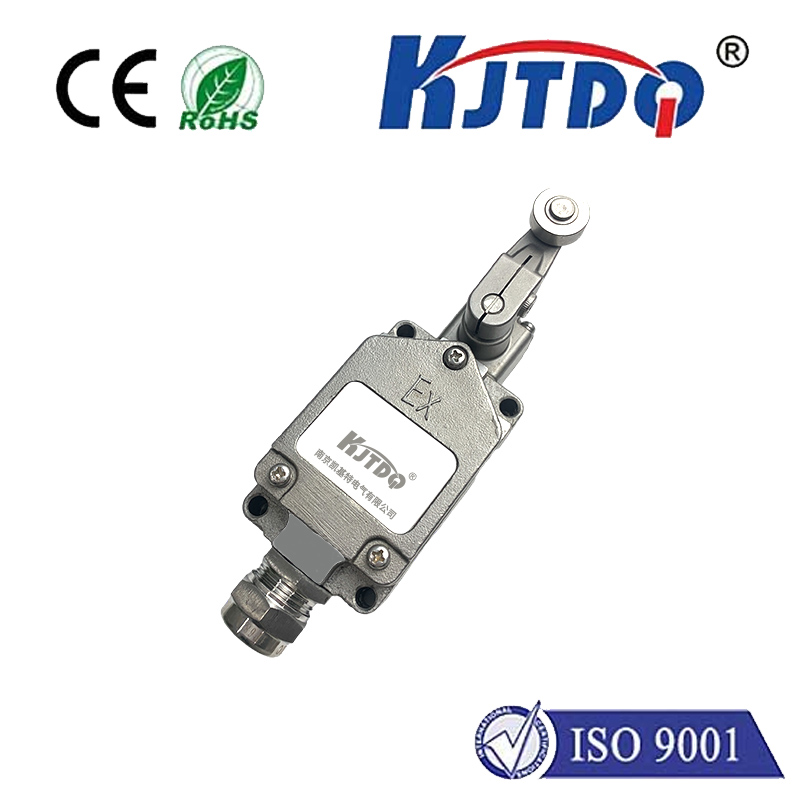
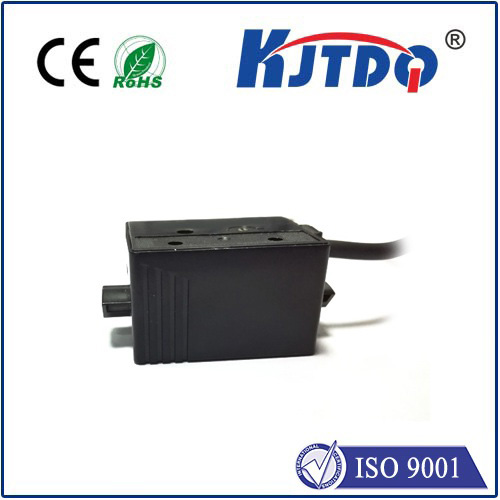
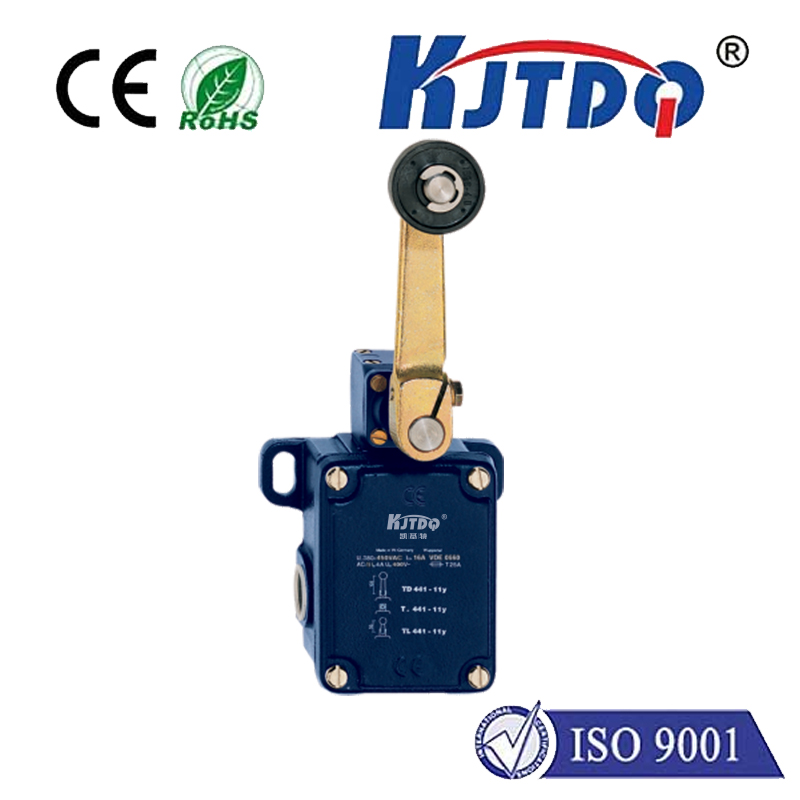
Unlocking the Power of Mechanical Proximity Switches: A Guide for Modern Applications In today’s fast-paced world of technology, the humble mechanical proximity switch might not be the first term that springs to mind. However, its significance in various industries cannot be overstated. This article aims to shed light on what a mechanical proximity switch is, how it operates, and why it remains an essential component in modern machinery and equipment. What Is a Mechanical Proximity Switch? A mechanical proximity switch is a type of sensor used to detect the presence or absence of a nearby object without any physical contact. Unlike electronic counterparts, these devices rely on mechanical means to perform their function. They typically consist of a lever, arm, or plunger connected to a set of internal contacts that open or close when the target object comes into proximity. The simplicity and robustness of these switches make them ideal for environments where reliability is crucial. How Does It Work? The operation of a mechanical proximity switch can be broken down into three key steps: detection, activation, and output generation. When an object approaches the switch within its predefined range, it triggers a mechanical response. For example, if the switch is designed as an actuator, a small movement or pressure will cause the lever to move. This motion directly influences the internal contacts, either connecting or disconnecting the circuit. As a result, an electrical signal is generated, indicating the change in state. Applications in Industry Mechanical proximity switches are found in a myriad of applications across different sectors due to their durability and straightforward design. Here are some notable examples: