check

check

check

check

check

check

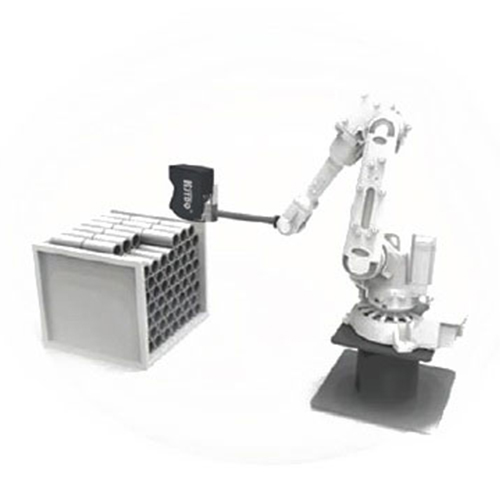
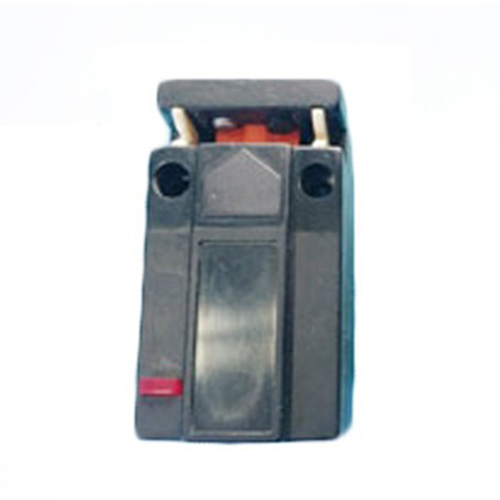
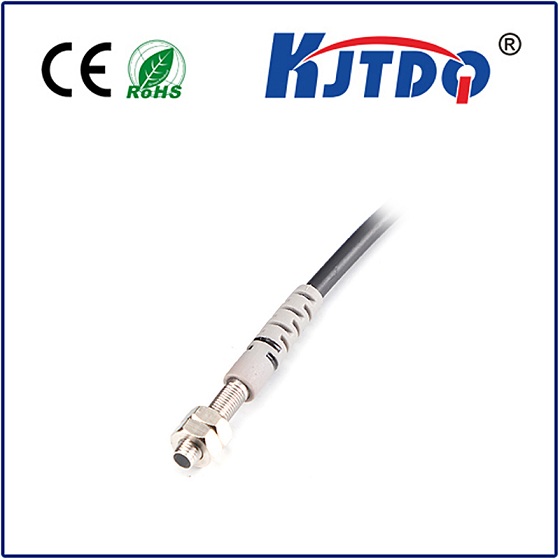
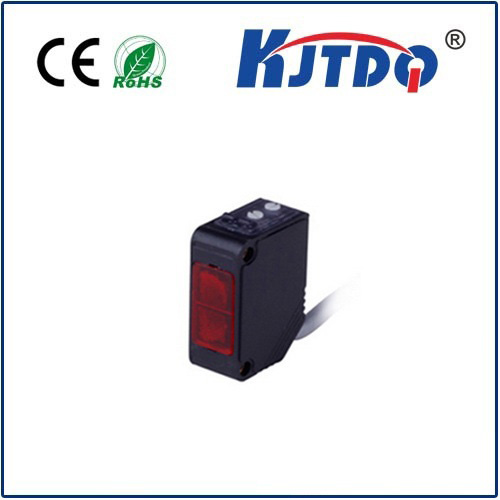
Title: Revolutionizing Precision with Laser Proximity Sensors In the ever-evolving landscape of technology, laser proximity sensors have emerged as indispensable tools across a multitude of applications. These sophisticated devices harness the precision and versatility of laser technology to measure distances with unparalleled accuracy, making them essential in fields ranging from industrial automation to robotics and beyond. This article dives into the world of laser proximity sensors, exploring their functionality, benefits, and various applications. Understanding Laser Proximity Sensors At its core, a laser proximity sensor operates by emitting a focused beam of laser light towards an object or surface. The time it takes for the reflected light to return to the sensor is meticulously measured. By calculating this time delay, the sensor can determine the exact distance to the target with remarkable precision—often within micrometers. This non-contact method of measurement offers several advantages over traditional contact methods, including faster response times and reduced wear and tear on both the sensor and the target. Key Benefits of Laser Proximity Sensors