check

check

check

check

check

check
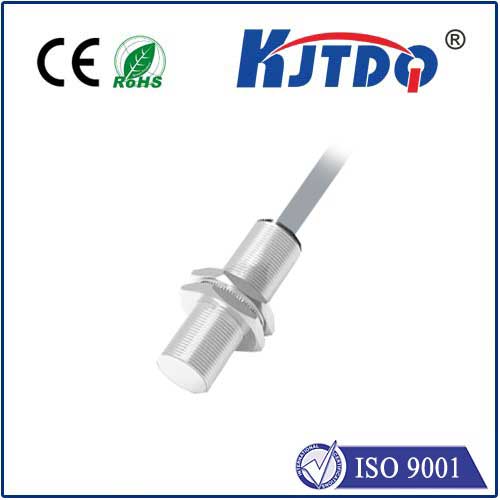
Title: Understanding the Importance of Gear Speed Sensors in Modern Technology Introduction In the world of modern technology, sensors play a crucial role in enabling devices to gather information about their environment. One such sensor that has gained significant importance in recent years is the gear speed sensor. This article aims to explore the significance of gear speed sensors and how they contribute to various applications across different industries. What is a Gear Speed Sensor? A gear speed sensor, also known as a tachogenerator, is an electronic device that measures the rotational speed of a rotating shaft or axle. It does this by detecting the movement of teeth on a gear wheel attached to the shaft. The number of teeth passing by the sensor per unit time corresponds to the rotational speed of the shaft. Working Principle of Gear Speed Sensors Gear speed sensors work on the principle of electromagnetic induction. They consist of a coil wrapped around a soft iron core, which is mounted close to the surface of the rotating shaft or axle. As the shaft rotates, the teeth on the gear wheel pass by the sensor, inducing an alternating current (AC) voltage in the coil due to electromagnetic induction. The frequency of this AC signal is directly proportional to the rotational speed of the shaft, allowing for accurate measurement of its speed. Applications of Gear Speed Sensors Gear speed sensors have found widespread applications across various industries due to their accuracy, reliability, and versatility. Some of the most common applications include: