check

check

check

check

check

check
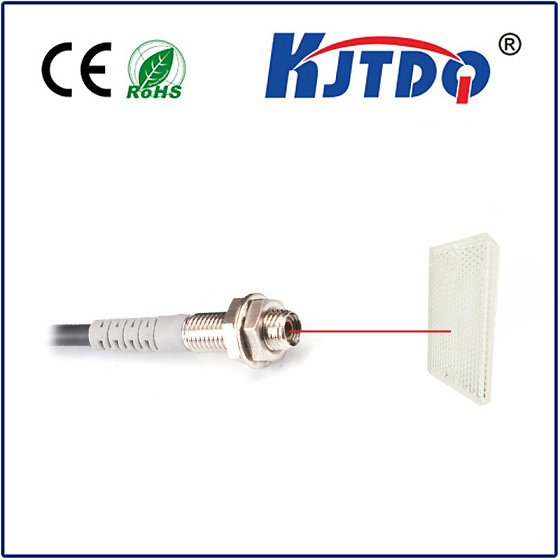
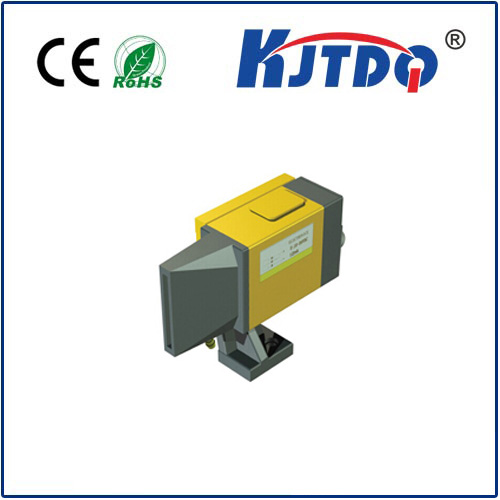
Analog Laser Distance Sensor: Revolutionizing the Way We Measure In the rapidly evolving world of technology, innovations come and go. But one innovation that has stood the test of time and continues to revolutionize various industries is the analog laser distance sensor. This remarkable device has changed the way we measure distances, opening up new possibilities in fields as diverse as robotics, automotive engineering, and even agriculture. In this article, we will explore the workings of an analog laser distance sensor, its applications, and the benefits it brings to different sectors. How Does an Analog Laser Distance Sensor Work? At its core, an analog laser distance sensor is a device that uses a laser beam to measure the distance to an object. The sensor emits a short pulse of laser light, which reflects off the target object and returns to the sensor. By measuring the time it takes for the laser pulse to return, the sensor can accurately calculate the distance to the object. This technique is known as time-of-flight measurement. The main components of an analog laser distance sensor include a laser diode, a lens, a detector, and a microcontroller. The laser diode generates the laser beam, while the lens focuses it on the target object. The detector captures the reflected laser light and converts it into an electrical signal. Finally, the microcontroller processes the signal and calculates the distance based on the time-of-flight measurement. Applications of Analog Laser Distance Sensors Analog laser distance sensors have found广泛应用 across various industries due to their precision, reliability, and versatility. Let’s take a closer look at some of their notable applications: