check

check

check

check

check

check

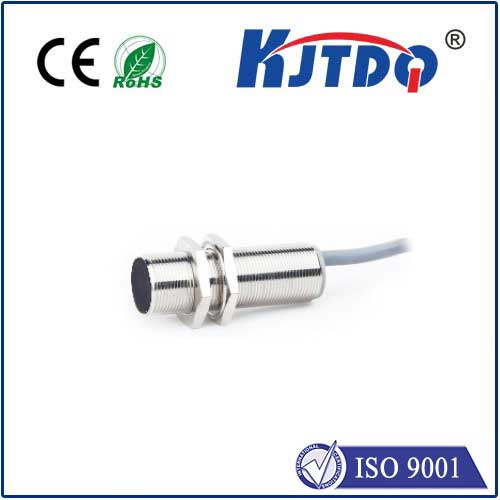
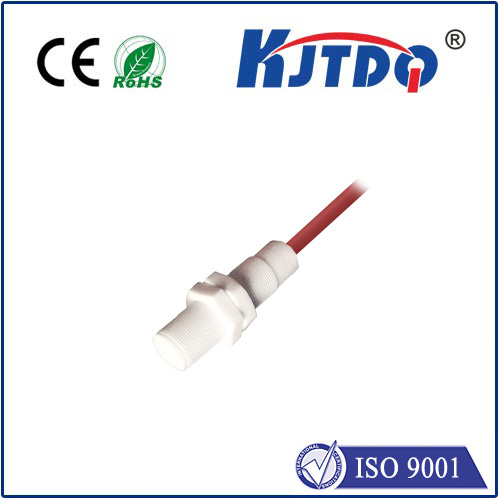
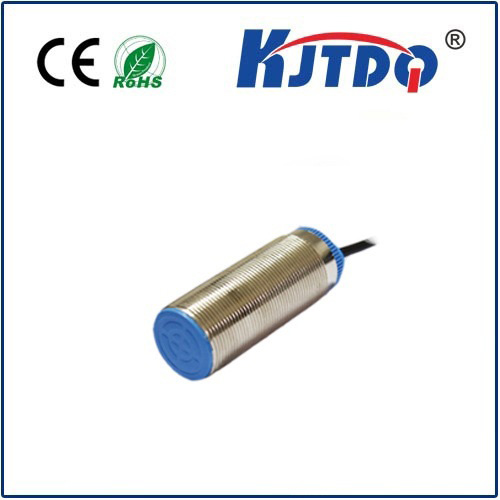
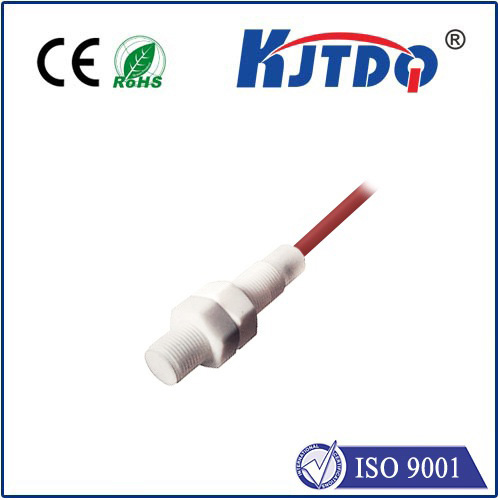
In the realm of modern technology, sensors play a critical role in facilitating the interaction between the digital and physical world. Among these, inductive switch sensors stand out due to their versatility, reliability, and efficiency. This article aims to shed light on the fundamental aspects of inductive switch sensors, elucidating their working principle, applications, and the advantages they bring to various industries. What is an Inductive Switch Sensor? An inductive switch sensor, often simply called an inductive sensor, is a type of proximity sensor that utilizes electromagnetic fields to detect the presence of metallic objects without any physical contact. It consists primarily of a coil through which an electrical current passes, generating a magnetic field. When a metal object comes within the range of this magnetic field, it induces a secondary alternating current in the metal surface. The sensor then detects this change and triggers an output signal. Working Principle The operation of an inductive switch sensor can be broken down into three essential steps: oscillation, detection, and output. First, when an AC voltage is applied to the coil, it starts to oscillate, creating a varying magnetic field around the sensor. Next, as a metal target approaches this field, eddy currents are induced on its surface due to electromagnetic induction. These currents, in turn, generate a contrary magnetic field. Lastly, the sensor’s electronic circuitry detects the change in the magnetic environment and activates or deactivates an internal switch, thus providing an output signal that can be utilized for control purposes. Applications of Inductive Switch Sensors Inductive switch sensors are extensively employed across numerous sectors owing to their non-contact nature, durability, and high level of precision. Some common applications include: