check

check

check

check

check

check
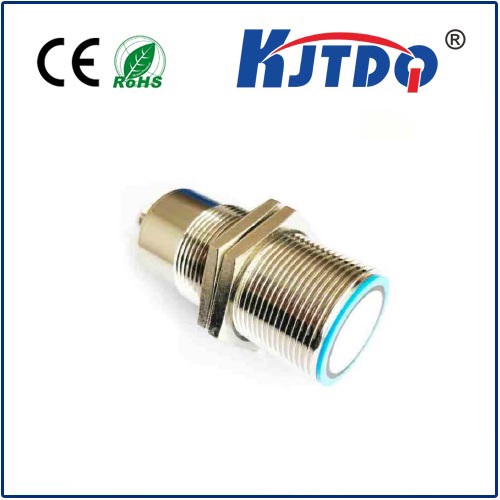
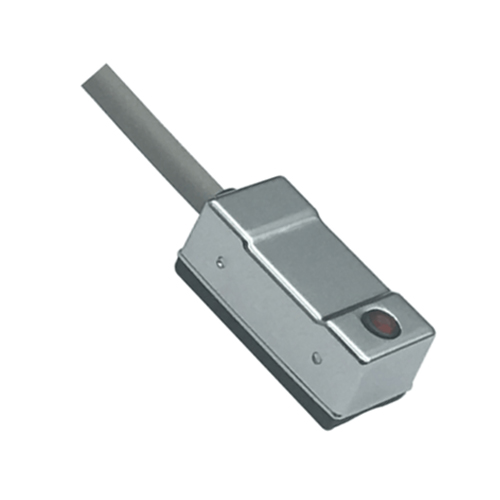
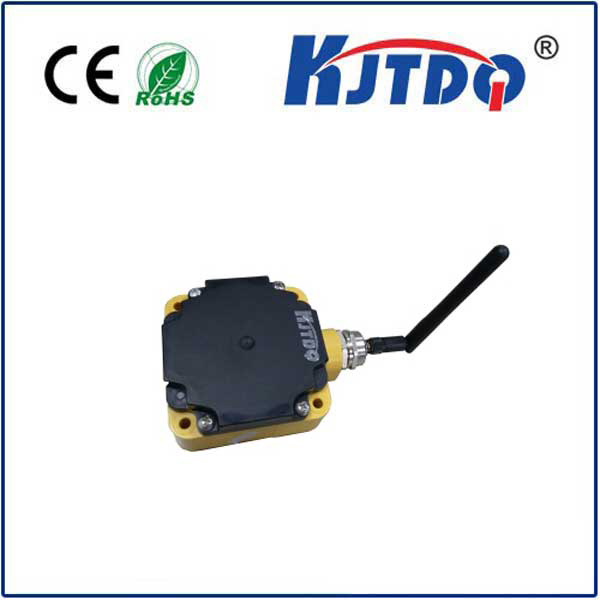
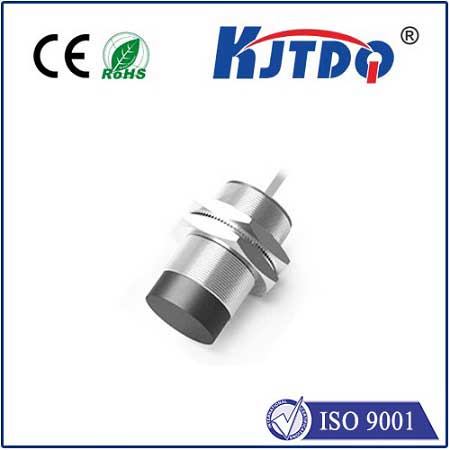
Title: Inductive Capacitive Sensor: A Comprehensive Overview Introduction In the world of technology, sensors play a crucial role in our daily lives. They are used in various applications ranging from healthcare to automotive industry. One such sensor is the inductive capacitive sensor (ICS), which has gained immense popularity due to its high accuracy and reliability. This article aims to provide a comprehensive overview of ICS, its working principle, applications, and benefits. Working Principle of Inductive Capacitive Sensor An inductive capacitive sensor consists of two main components: an inductor and a capacitor. The inductor creates a magnetic field when an alternating current flows through it. This magnetic field induces eddy currents in the nearby metal object, which in turn generates a secondary magnetic field. The change in the magnetic field causes a change in the capacitance of the capacitor, which is measured as a change in voltage or current. This change is then converted into a digital signal by an analog-to-digital converter (ADC). Applications of Inductive Capacitive Sensor ICS are widely used in various industries due to their ability to detect metal objects with high precision and accuracy. Some of the popular applications of ICS include: