check

check

check

check

check

check
In the demanding world of industrial automation and process control, the reliability and accuracy of sensing technology are non-negotiable. Among the critical components ensuring operational safety and efficiency, the KGG12P3KP-L55 High Pressure Proximity Sensor stands out as a robust solution designed for extreme environments. This guide delves into the features, applications, and benefits of this specialized sensor, providing essential insights for engineers and procurement specialists.
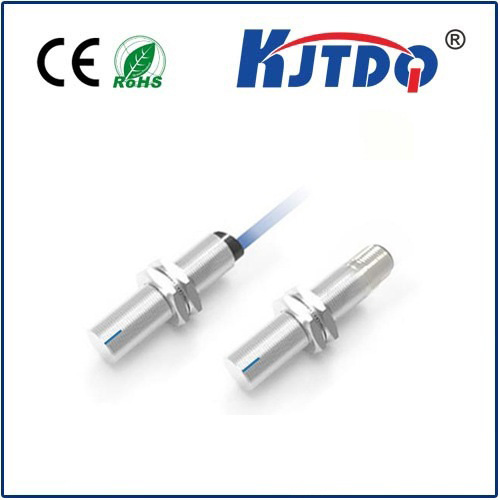
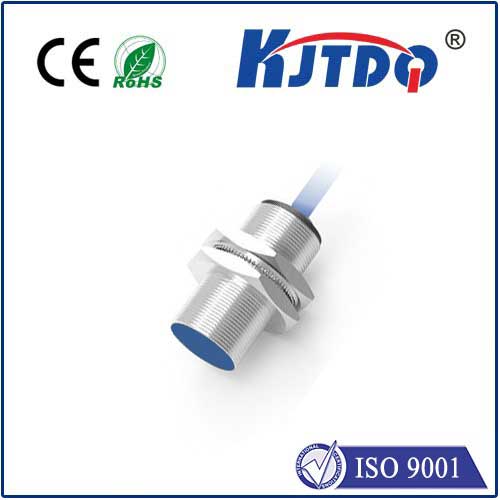
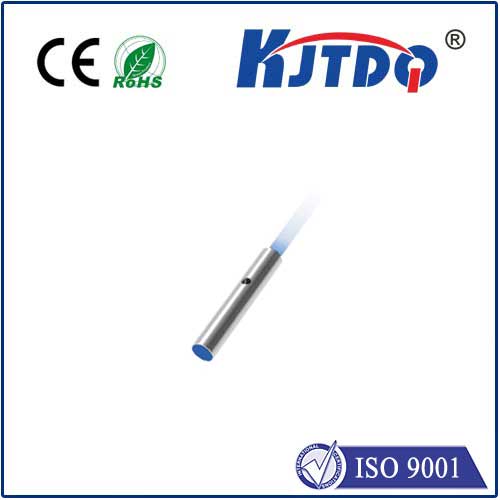
The KGG12P3KP-L55 is engineered to perform under high-pressure conditions where standard sensors would fail. Its core design principle revolves around durability and precision. The sensor housing is typically constructed from high-grade stainless steel, offering exceptional resistance to corrosion, mechanical stress, and fluid ingress. This makes it ideal for deployment in sectors like oil and gas, hydraulic systems, heavy machinery, and marine applications, where exposure to high pressures, vibrations, and contaminants is a daily challenge.
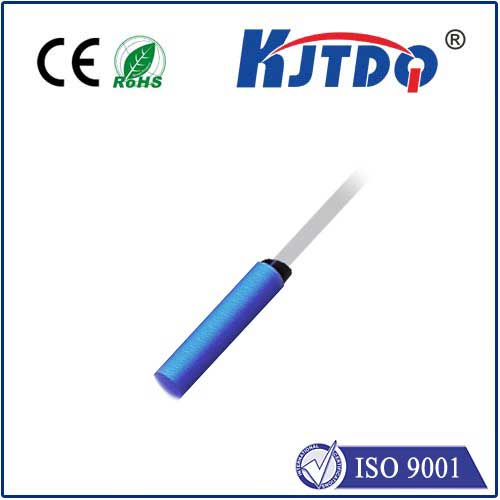
One of the defining characteristics of the KGG12P3KP-L55 is its sensing technology. Utilizing an inductive or capacitive proximity principle, it can detect the presence or absence of metallic or non-metallic targets without physical contact. This non-contact operation is crucial in high-pressure scenarios, as it eliminates wear and tear, reduces maintenance downtime, and enhances the system's overall longevity. The "L55" variant often indicates specific performance parameters, such as an extended sensing range or a particular electrical output compatible with industrial PLCs (Programmable Logic Controllers).
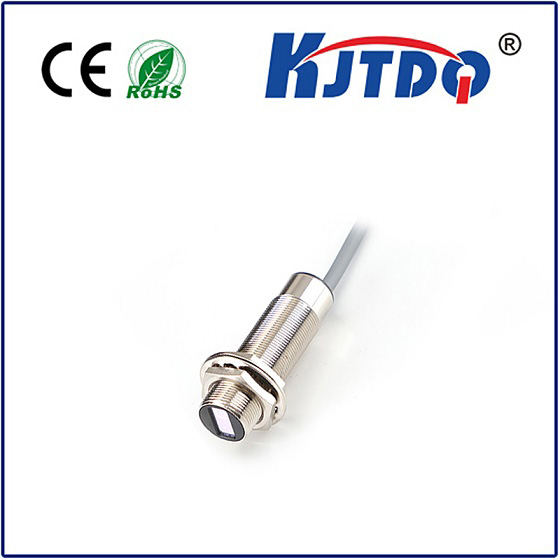
Installation and integration of the KGG12P3KP-L55 are streamlined for industrial settings. It commonly features a compact, threaded form factor, allowing for easy mounting directly into high-pressure lines, cylinders, or machinery frames. The sensor is designed to maintain stable performance across a wide temperature range and is often equipped with IP67 or higher ingress protection ratings, ensuring functionality in wet or dusty conditions. Electrical connections are typically robust, using M12 or similar industry-standard connectors to prevent signal loss or disconnection due to vibration.
The practical applications of this sensor are vast. In hydraulic power units, it monitors piston position and fluid levels, preventing over-pressurization and potential system failures. Within offshore drilling platforms, it contributes to safety systems by detecting equipment status under immense seabed pressures. Manufacturing plants use it in high-pressure molding and casting processes to ensure precise component positioning. Its reliability directly translates to reduced operational risks, lower maintenance costs, and improved productivity.
When selecting a high-pressure proximity sensor like the KGG12P3KP-L55, key specifications must be considered. These include the maximum pressure rating (often denoted in bar or PSI), the sensing distance, output type (e.g., PNP/NPN analog, or digital switch), and the operating voltage range. Compatibility with existing control systems is also paramount. For optimal performance, follow manufacturer guidelines for mounting orientation, cable management, and environmental limits. Regular calibration checks are recommended to sustain accuracy over time.
In conclusion, the KGG12P3KP-L55 High Pressure Proximity Sensor represents a critical investment for industries operating under strenuous conditions. Its blend of rugged construction, precise non-contact detection, and ease of integration addresses the core challenges of modern industrial automation. By ensuring the continuous and reliable monitoring of high-pressure processes, it not only safeguards equipment and personnel but also drives operational excellence and cost-efficiency. For engineers seeking a dependable sensing solution, understanding and implementing this sensor can be a decisive step toward optimizing system resilience and performance.