check

check

check

check

check

check

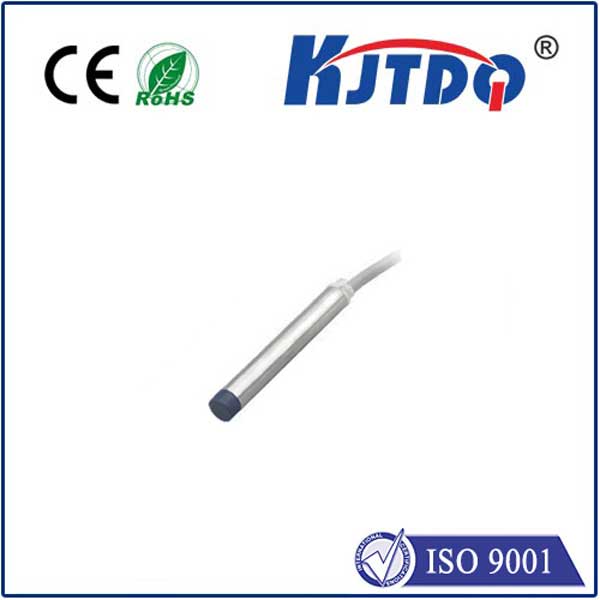
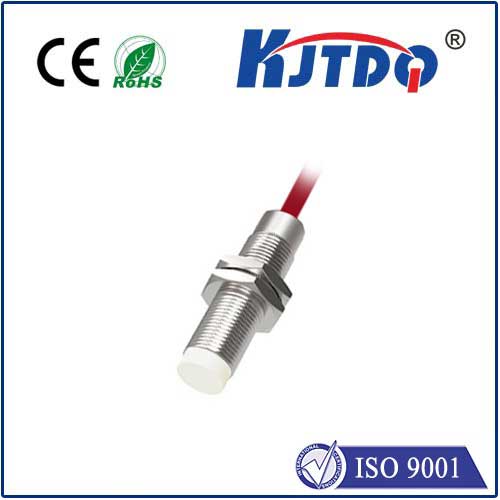
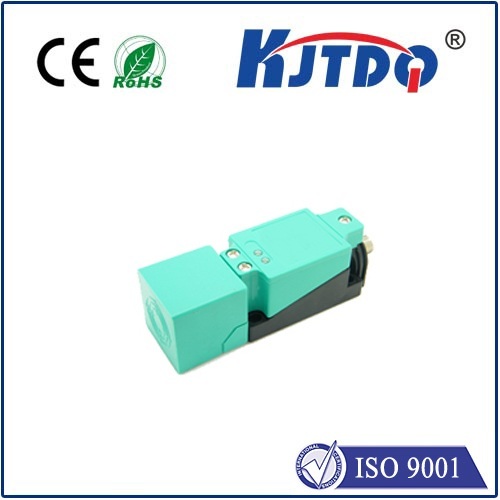
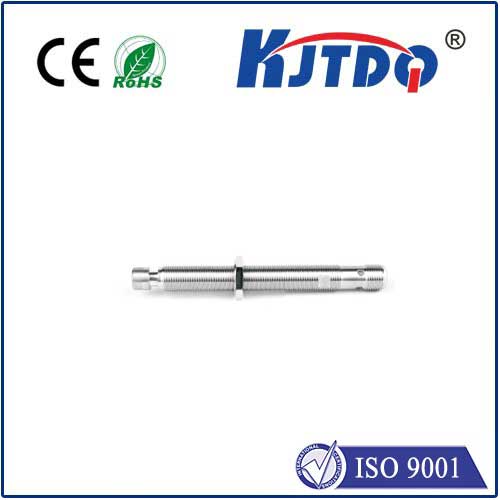
Title: Unveiling the Mysteries of PNP Proximity Sensors: Your Ultimate Guide Introduction In the ever-evolving world of automation and technology, PNP proximity sensors have emerged as indispensable tools in various industries. Whether you are a seasoned engineer or an enthusiastic hobbyist, understanding the workings of PNP proximity sensors can significantly enhance your projects’ efficiency and accuracy. This comprehensive guide delves into the core aspects of PNP proximity sensors, their applications, benefits, and considerations for selection. Fasten your seat belts as we embark on this illuminating journey through the realm of PNP proximity sensors. What is a PNP Proximity Sensor? A PNP proximity sensor is an electronic device designed to detect the presence of an object without physical contact. It utilizes the principles of electromagnetic fields, capacitive, or inductive sensing to identify the target. The term “PNP” refers to the type of transistor used in the sensor’s output stage, which plays a crucial role in determining the sensor’s performance and compatibility with various systems. Working Principle of PNP Proximity Sensors PNP proximity sensors operate based on the change in electromagnetic fields or capacitance caused by the target object. For inductive sensors, an alternating current flows through a coil, generating a magnetic field. When a conductive object comes close to the sensor, the magnetic field is altered, inducing a current in the object. This change is detected by the sensor, triggering an output signal. On the other hand, capacitive sensors measure the change in电容between two conductive plates due to the presence of a dielectric material (the target object). Applications of PNP Proximity Sensors The versatility of PNP proximity sensors makes them suitable for a wide range of applications across different industries. Some common uses include: