check

check

check

check

check

check

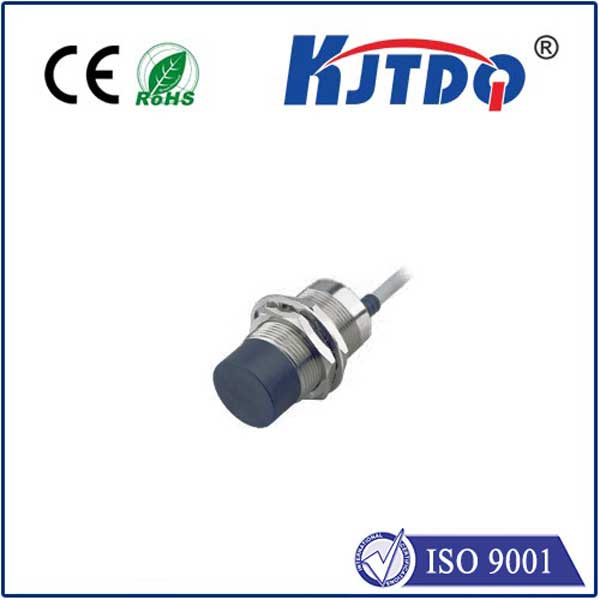
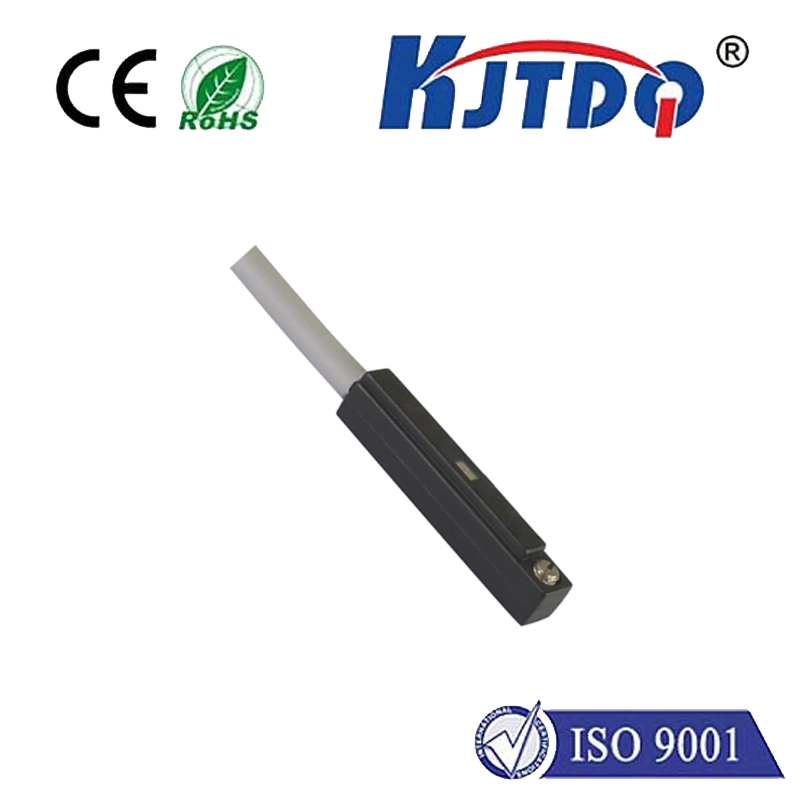
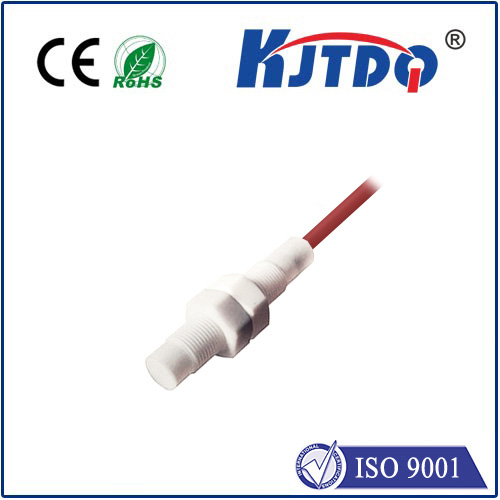
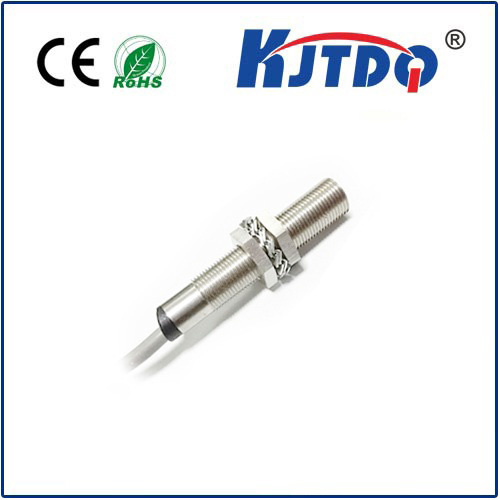
Title: Unveiling the Mysteries of Inductive Proximity Sensors In the ever-evolving world of technology, there are countless innovations that have transformed the way we live and work. Among them is the inductive proximity sensor, an ingenious device that has revolutionized various industries with its remarkable capabilities. This article delves into the fascinating world of inductive proximity sensors, shedding light on their inner workings, applications, and benefits. What is an Inductive Proximity Sensor? An inductive proximity sensor is a type of electronic component that detects the presence of metallic objects without any physical contact. It works on the principle of electromagnetic induction, where a changing magnetic field is generated by passing an electric current through a coil. When a metal object comes close to the sensor, it disrupts this magnetic field, causing a change in the electrical signal. This change is then processed by the sensor’s circuitry to determine the proximity of the object. How Does an Inductive Proximity Sensor Work? At its core, an inductive proximity sensor consists of a coil and a circuit board. The coil creates a magnetic field when an alternating current (AC) flows through it. As the AC changes direction, so does the polarity of the magnetic field. When a metal object comes within range of the sensor, it induces eddy currents within the object due to the changing magnetic field. These eddy currents generate their own magnetic field, which opposes the original one created by the coil. This opposition reduces the overall magnetic field strength, which is detected by the sensor’s circuitry as a change in voltage or current. The Benefits of Using Inductive Proximity Sensors