check

check

check

check

check

check
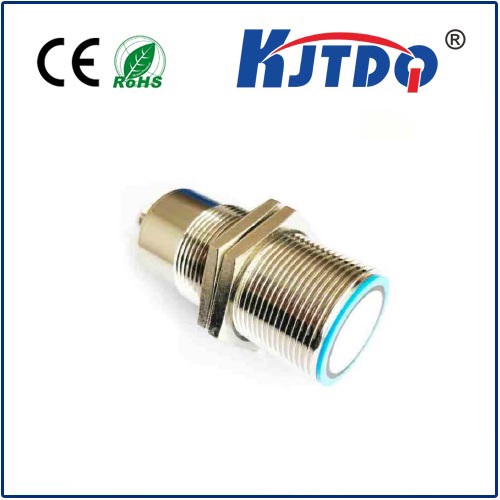
Title: Unveiling the Mysteries of Ultrasonic Proximity Sensing In the realm of advanced technology, ultrasonic proximity sensing stands out as a sophisticated innovation that has revolutionized the way we interact with machines and devices. This cutting-edge technology has permeated various industries, from automotive to robotics, enhancing both convenience and safety in our daily lives. What is Ultrasonic Proximity? Ultrasonic proximity sensors are devices that use sound waves to detect objects within a specified range. They emit high-frequency sound waves, typically inaudible to the human ear, and measure the time it takes for these waves to bounce back after striking an object. This timing is then converted into distance, allowing the sensor to determine the proximity of the object with impressive accuracy. The Mechanism Behind Ultrasonic Proximity Sensors At the heart of an ultrasonic proximity sensor lies a transducer, which functions both as a transmitter and receiver. When activated, the transducer sends out sound waves at a predetermined frequency. As these waves travel through the air, they encounter obstacles and reflect back to the sensor. The transducer receives these echoes and calculates the time interval between transmission and reception. By knowing the speed of sound, the sensor can accurately calculate the distance to the object. Applications Across Industries The implementation of ultrasonic proximity sensors spans across multiple sectors, each harnessing its unique advantages: