check

check

check

check

check

check
In the dynamic landscape of modern manufacturing and heavy industry, the demand for reliability, efficiency, and safety is paramount. At the heart of this operational excellence lies a critical, yet often overlooked component: the proximity sensor. Specifically designed for industrial machinery, these sensors are the silent sentinels that enable automation, prevent costly downtime, and safeguard both equipment and personnel. Unlike traditional mechanical switches, proximity sensors perform their duties without physical contact, using electromagnetic fields, light, or sound to detect the presence or absence of an object. This non-contact operation is their defining advantage, leading to significantly reduced wear and tear, higher operational speeds, and exceptional longevity even in the harshest industrial environments.
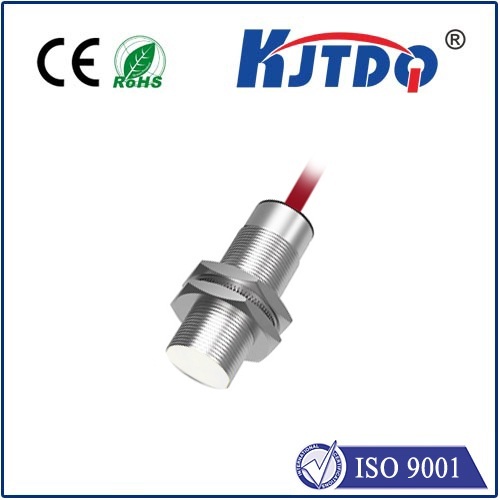
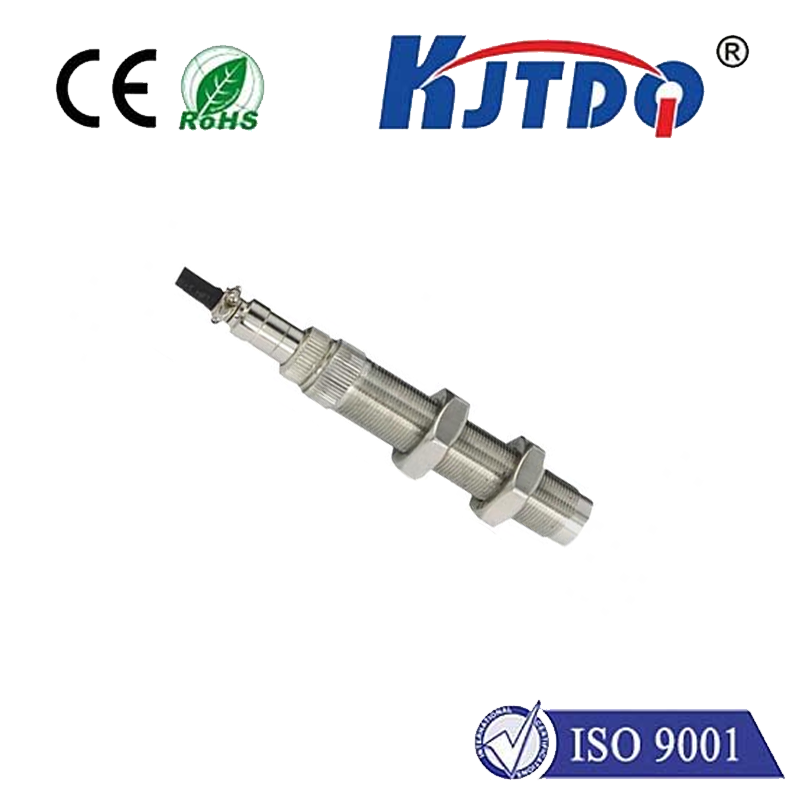
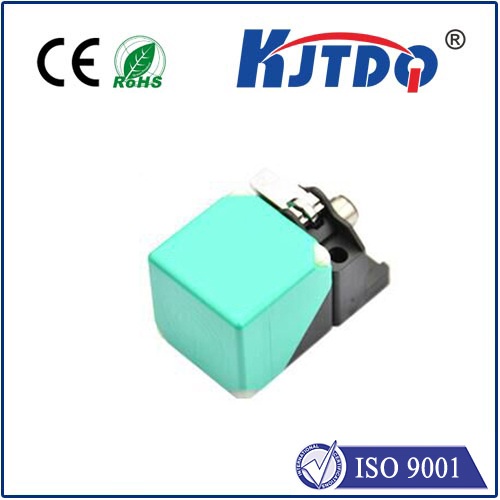
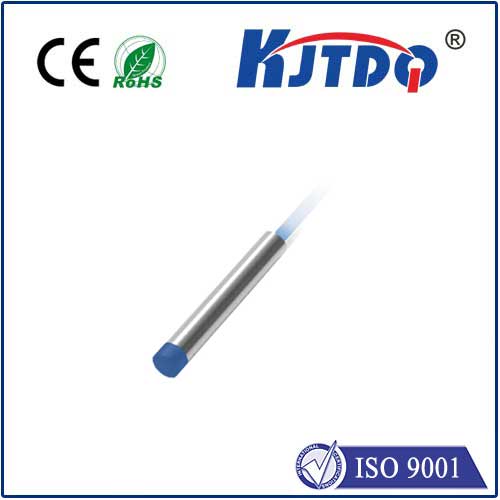
The core technology behind these sensors varies to suit different applications. Inductive proximity sensors are the workhorses for detecting metallic objects. They generate an oscillating electromagnetic field. When a metal target enters this field, it induces eddy currents within the target, which dampens the sensor's oscillation and triggers a switching signal. These are indispensable in metalworking, automotive assembly lines, and robotic arms for precise position verification. For non-metallic materials such as wood, plastic, glass, or liquids, capacitive proximity sensors are the solution. They can detect virtually any material by measuring changes in capacitance caused by the target object disturbing the sensor's electrostatic field. This makes them perfect for level detection in tanks, packaging lines handling bottles, or presence detection of materials on conveyor belts.
Another vital category is the ultrasonic proximity sensor, which uses sound waves beyond human hearing. By emitting ultrasonic pulses and measuring the time it takes for the echo to return, these sensors can not only detect presence but also accurately gauge distance. This capability is crucial for applications like loop control in winding machines, stack height measurement in palletizing, and collision avoidance for automated guided vehicles (AGVs). Each type brings a unique set of capabilities, allowing engineers to select the perfect sensor for specific challenges involving target material, sensing range, environmental conditions like dust, oil, or temperature extremes, and required response speed.
The integration of proximity sensors into industrial machinery drives transformative benefits. Primarily, they are the enablers of advanced automation. By providing real-time, binary feedback ("object present" or "object absent"), they allow programmable logic controllers (PLCs) to make instantaneous decisions. This orchestrates complex sequences—stopping a conveyor when a part is in position for a robotic weld, counting items as they pass a checkpoint, or ensuring a cabinet door is closed before initiating a machine cycle. This automation directly translates to heightened productivity, consistent product quality, and optimized resource use.
Beyond productivity, the role in operational safety is irreplaceable. Proximity sensors form a fundamental layer in machine safety systems. They can be configured as part of safety interlocks to ensure protective guards are in place before machinery can start. In hazardous areas, they can monitor for unauthorized entry or detect if a worker's hand is too close to a pinch point, triggering an immediate emergency stop. This proactive prevention of accidents protects human lives and helps companies comply with stringent international safety standards like ISO 13849.
Furthermore, the predictive maintenance capabilities afforded by modern, intelligent proximity sensors contribute significantly to reducing unplanned downtime. By monitoring operational parameters and providing diagnostic data, these sensors can alert maintenance teams to potential issues—such as gradual misalignment, accumulating debris affecting sensing range, or electrical irregularities—before they lead to a catastrophic failure. This shift from reactive to predictive maintenance schedules repairs during planned stoppages, saving substantial costs and maintaining continuous production flow.
When selecting a proximity sensor for industrial machinery, several technical specifications demand careful consideration. The sensing range, rated for the specific target material, must be adequate for the application with a suitable safety margin. Environmental protection ratings, denoted by IP (Ingress Protection) or NEMA codes, are critical to ensure the sensor can withstand exposure to coolants, oils, metal shavings, or high-pressure washdowns. The housing material, typically nickel-plated brass or stainless steel, must resist corrosion. Output type (PNP/NPN analog or digital) must be compatible with the control system, and switching frequency must be high enough for fast-moving processes.
In conclusion, the proximity sensor for industrial machinery is far more than a simple switch. It is a sophisticated, reliable, and versatile component that sits at the intersection of mechanical operation and electronic control. From enabling the precise, high-speed automation that defines Industry 4.0 to providing the essential safety functions that protect valuable assets and human operators, its impact is profound. As industrial processes grow more complex and intelligent, the evolution of sensor technology—with features like IO-Link for advanced digital communication and enhanced robustness—will continue to push the boundaries of what is possible in manufacturing efficiency and workplace safety.