check

check

check

check
check
check
check
check

check

check
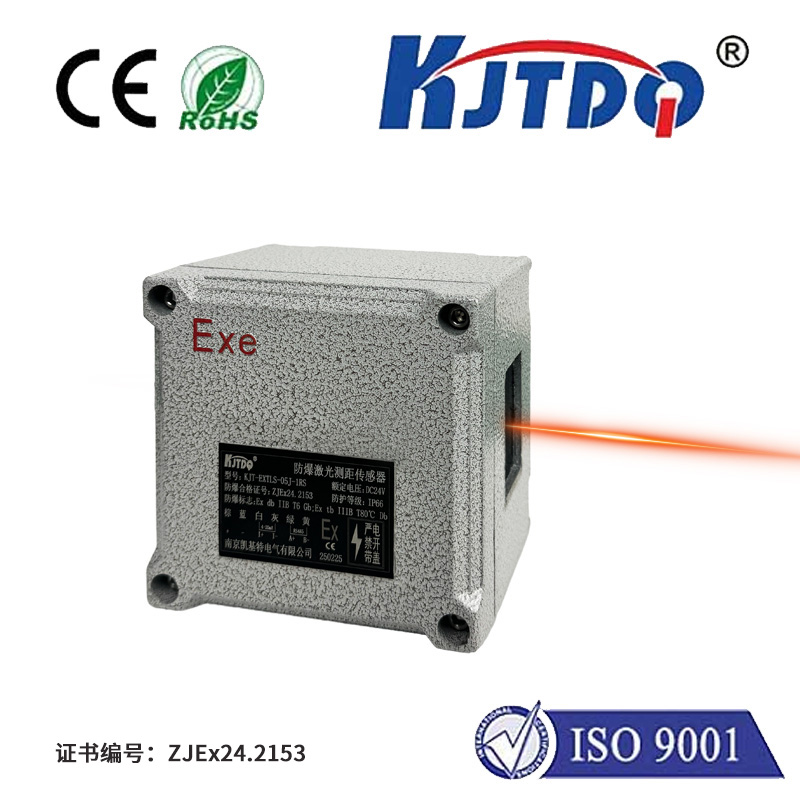
In today's demanding industrial landscape, ensuring both operational efficiency and worker safety is paramount. This is where advanced sensing technology, specifically the industrial protective laser rangefinder sensor, becomes a critical component. Unlike standard measurement tools, these sophisticated devices are engineered to deliver high-precision distance data while operating reliably within the most challenging and hazardous conditions found in factories, construction sites, and heavy machinery applications.
The core function of an industrial protective laser rangefinder sensor is to accurately measure the distance to a target object using a laser beam. The sensor calculates the time it takes for the laser pulse to reflect back, providing a precise digital readout. However, the term "protective" signifies its enhanced design philosophy. These sensors are built with ruggedized housings, often rated to IP67 or higher, making them resistant to dust, water jets, and mechanical impacts. They are designed to withstand extreme temperatures, constant vibration, and exposure to corrosive chemicals that would quickly degrade lesser equipment. This inherent durability ensures continuous, uninterrupted operation, which is vital for automated processes and safety systems.
One of the primary applications is in collision avoidance and area monitoring for automated guided vehicles (AGVs) and mobile robotics. By continuously scanning their surroundings, these sensors provide real-time data to the vehicle's control system, enabling it to navigate safely around obstacles, slow down when approaching restricted zones, and come to a complete stop to prevent accidents. This not only protects expensive machinery and inventory but, more importantly, safeguards personnel working in shared spaces.
Furthermore, in material handling and logistics, such as automated storage and retrieval systems (AS/RS), laser rangefinder sensors play a crucial role in positioning. They ensure cranes and shuttles accurately locate storage bins or pallets, optimizing warehouse throughput and minimizing product damage. Their precision eliminates guesswork and reduces operational errors. In manufacturing, they are integral for precise positioning in assembly lines, robotic welding, and quality control inspections, where millimeter accuracy is required for consistent product quality.
Another significant advantage is the non-contact nature of the measurement. The sensor does not need to physically touch the object being measured. This is invaluable for monitoring hot surfaces, moving machinery parts, or delicate materials where contact could cause damage or pose a safety risk. The laser beam provides a clean, reliable measurement point without interfering with the process itself.
Integration is streamlined through various industry-standard communication interfaces like IO-Link, analog outputs, and Ethernet protocols. This allows the sensor to seamlessly feed data into Programmable Logic Controllers (PLCs) and supervisory control systems, enabling automated decision-making and process adjustments based on real-time distance information. The data can be used to trigger alarms, initiate machine cycles, or log positional data for analytics and predictive maintenance.
When selecting an industrial protective laser rangefinder sensor, key specifications to consider include measurement range, accuracy, repeatability, response time, and the required ingress protection (IP) rating for the environment. The laser class is also important, with Class 1 or Class 2 lasers being common for eye-safe operation in industrial settings. The scanning rate and field of view are critical for applications requiring monitoring of wide areas or fast-moving objects.
In conclusion, the industrial protective laser rangefinder sensor is far more than a simple measuring device. It is a robust, intelligent component that forms the eyes of modern industrial automation. By providing reliable, precise distance data in conditions where other sensors would fail, it enhances operational precision, boosts productivity, and most critically, establishes a higher standard of workplace safety. Investing in such technology is a strategic move towards building a more resilient, efficient, and secure industrial operation.