check

check

check

check
check
check
check
check

check

check
In the rapidly evolving landscape of industrial automation, the demand for reliable, precise, and long-distance sensing solutions has never been greater. Among the critical components driving this efficiency are long-range photoelectric switch sensors. These advanced devices serve as the eyes of automated systems, enabling non-contact detection of objects, materials, and positions over considerable distances, thereby revolutionizing processes in manufacturing, logistics, and material handling.
A long-range photoelectric switch sensor operates on a fundamental principle: it emits a beam of light—typically infrared, laser, or visible LED—towards a target. A receiver then detects the presence or absence of this light beam. An object interrupting the beam triggers a switch in the sensor's output signal. What sets the long-range variants apart is their ability to perform this detection over extended distances, often ranging from several meters to over a hundred meters, depending on the model and technology. This capability is achieved through highly focused light sources, sensitive receivers, and sophisticated optics that minimize dispersion and environmental interference.
The applications for these sensors are vast and transformative. In large-scale warehouse and logistics centers, they are indispensable for pallet detection on high-bay storage systems, ensuring accurate inventory management and safe crane operations over long vertical and horizontal spans. On extensive conveyor lines in automotive or packaging industries, they monitor the passage of items, control sorting mechanisms, and prevent jams across sprawling factory floors. In outdoor or harsh environments, such as mining, agriculture, or port logistics, ruggedized long-range sensors provide reliable object detection for vehicle guidance, bulk material level monitoring, and safety perimeter guarding where proximity is not an option.
Key advantages of integrating long-range photoelectric sensors into automation systems are numerous. First and foremost is their non-contact nature, which eliminates mechanical wear and tear, ensuring a longer operational lifespan and reduced maintenance costs compared to mechanical limit switches. Their high precision and fast response time allow for real-time control and data acquisition, critical for high-speed production lines. Furthermore, many modern models offer exceptional resistance to ambient light, dust, and moisture, thanks to modulated light signals and robust housing (often rated IP67 or higher), making them suitable for challenging industrial environments. The ability to sense objects from a distance also enhances safety by allowing machinery to react before an object or person enters a hazardous zone.
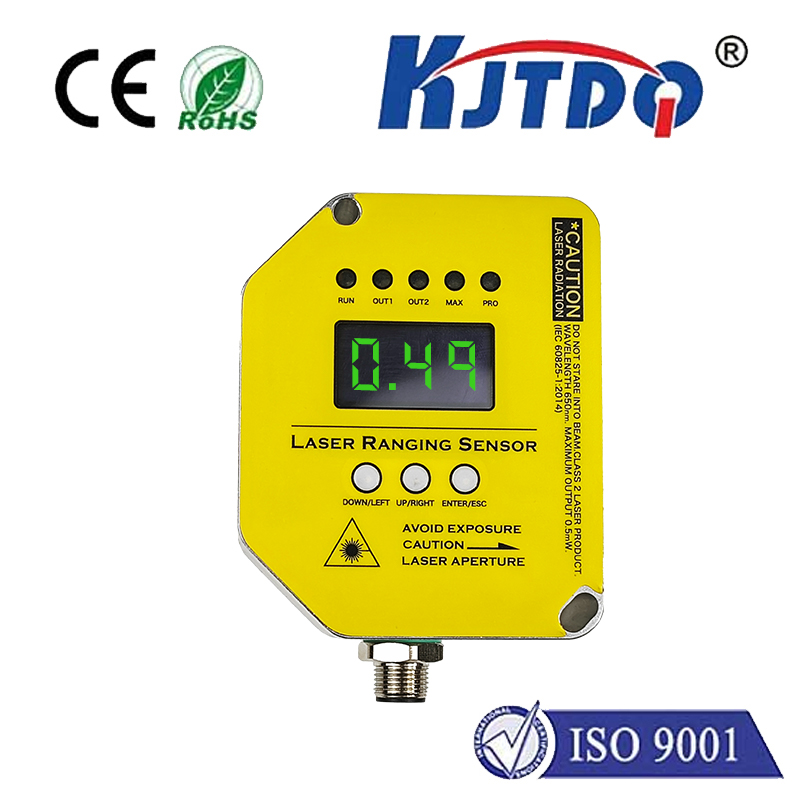
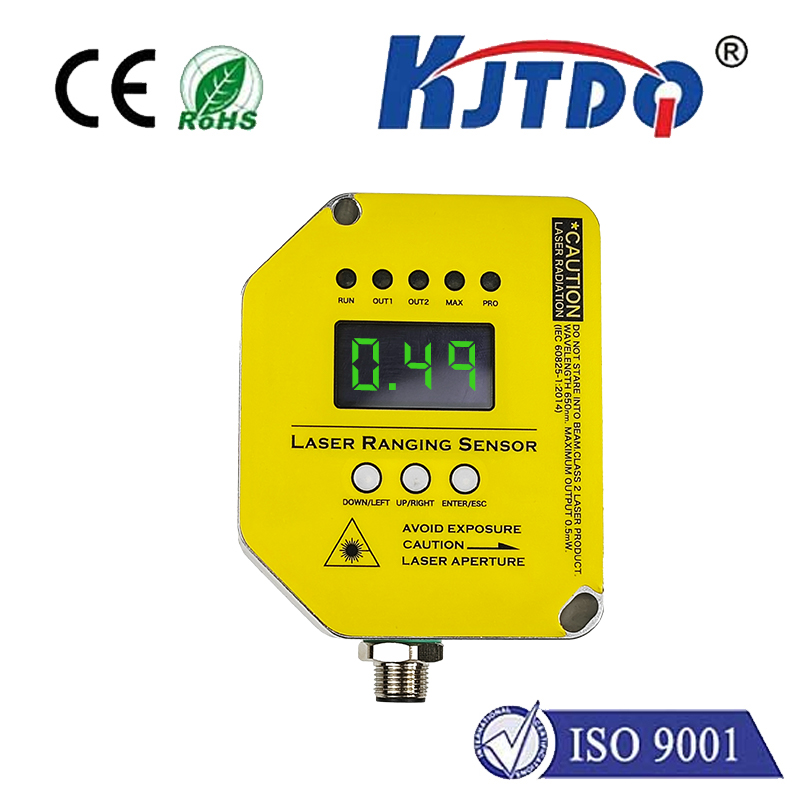
When selecting a long-range photoelectric switch sensor, several technical parameters require careful consideration. The sensing range, obviously, is paramount and must match the specific application distance with a safety margin. The type of sensing mode—through-beam, retro-reflective, or diffuse-reflective—plays a crucial role. Through-beam models, with separate emitter and receiver units, offer the longest range and highest reliability. Light source choice is another factor; laser diodes provide very long, precise beams ideal for small object detection, while high-power LEDs offer a cost-effective solution for many standard applications. Output configuration (e.g., NPN/PNP, analog, or IO-Link) must be compatible with the existing control system. Finally, factors like response time, housing material, and connection type are essential for seamless integration.
The future of these sensors is intertwined with the growth of Industry 4.0 and the Internet of Things (IoT). Next-generation long-range photoelectric sensors are becoming smarter, featuring integrated diagnostics, predictive maintenance alerts, and direct digital communication via protocols like IO-Link. This connectivity allows for remote configuration, continuous performance monitoring, and integration into larger data analytics platforms, optimizing overall equipment effectiveness (OEE) and enabling proactive system management.
In conclusion, the long-range photoelectric switch sensor stands as a cornerstone technology in modern industrial automation. By providing reliable, long-distance, non-contact detection, it addresses critical challenges in efficiency, safety, and reliability across diverse sectors. As industries continue to push the boundaries of scale and speed, the evolution of these sensors towards greater intelligence, connectivity, and robustness will undoubtedly play a pivotal role in shaping the automated factories and smart logistics networks of tomorrow. For engineers and system integrators, understanding and leveraging the capabilities of the KJTDQ series and similar advanced sensors is key to building resilient and future-proof automation solutions.