check

check

check

check
check
check
check
check

check

check
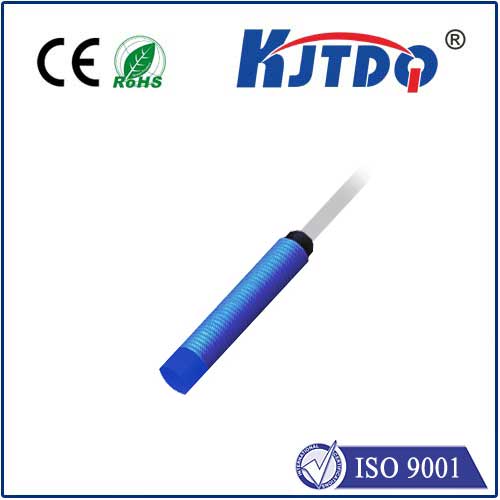
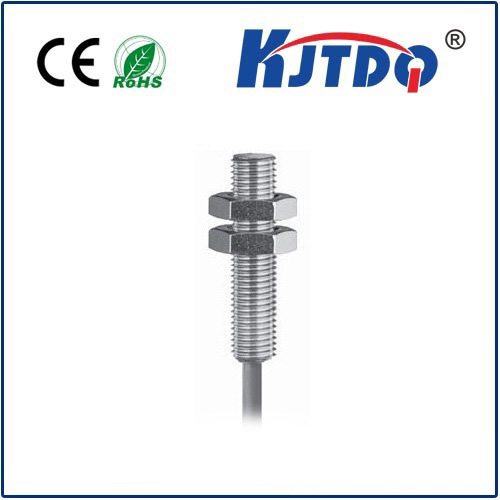
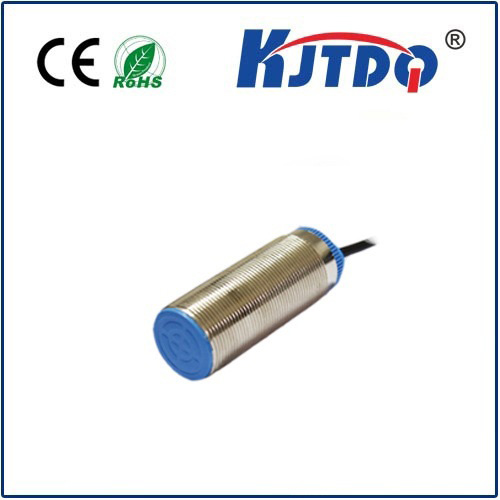
In the rapidly evolving landscape of industrial automation, the demand for reliable, efficient, and precise sensing solutions has never been greater. Among the myriad of technologies driving this transformation, the long-range proximity switch stands out as a critical component, particularly in applications where distance and durability are paramount. The KJTDQ series of long-range proximity switches represents a significant leap forward in this domain, offering unparalleled performance and versatility for modern manufacturing and processing environments.
Traditional proximity sensors often face limitations when it comes to detection ranges, especially in challenging industrial settings where obstacles, varying material compositions, or environmental factors like dust, moisture, and temperature fluctuations can interfere with operation. The KJTDQ long-range proximity switch is engineered to overcome these hurdles. Utilizing advanced electromagnetic or capacitive sensing principles—depending on the model and target material—these switches can detect objects from distances that were previously unattainable for standard sensors. This extended range, often reaching several tens of millimeters or more for metallic targets and adjusted for non-metallic materials, allows for greater flexibility in machine design and layout.
One of the core advantages of the KJTDQ proximity switch is its robust construction. Designed to meet IP67 or higher ingress protection ratings, these devices are built to withstand harsh conditions, including exposure to oils, coolants, and mechanical vibrations commonly found in factories, warehouses, and outdoor installations. The housing is typically made from stainless steel or ruggedized plastics, ensuring longevity and reducing maintenance needs. This durability translates to lower downtime and higher overall equipment effectiveness (OEE), a key metric for any production facility aiming to maximize output and minimize costs.
Installation and integration are streamlined with the KJTDQ series. Many models feature standardized mounting options and connection interfaces, such as M12 or M8 connectors, which are compatible with a wide array of industrial control systems, including PLCs (Programmable Logic Controllers) and IoT (Internet of Things) platforms. This plug-and-play capability simplifies retrofitting into existing assembly lines or incorporating into new automated systems. Additionally, indicators like LED status lights provide immediate visual feedback on sensor operation, aiding in quick diagnostics and troubleshooting.
The applications for long-range proximity switches are vast and varied. In automotive manufacturing, they are used for precise positioning of robotic arms during welding or assembly processes. In packaging lines, they ensure correct placement of products on conveyors, triggering actuators or counters without physical contact. In material handling, such as in automated guided vehicles (AGVs) or crane systems, these switches help maintain safe distances and prevent collisions. The KJTDQ variants, with their enhanced range, are particularly valuable in scenarios where sensors need to be placed further from the target due to space constraints or safety regulations, such as in high-temperature zones or near moving machinery parts.
Performance consistency is another hallmark. The KJTDQ switches offer high repeat accuracy, meaning they deliver reliable detection signals cycle after cycle, which is crucial for maintaining product quality and process stability. Advanced models may include features like temperature compensation to ensure stable operation across a broad temperature spectrum, or built-in diagnostics that communicate with control systems to predict potential failures before they occur, supporting predictive maintenance strategies.
From an energy efficiency perspective, modern long-range proximity switches, including the KJTDQ line, are designed with low power consumption in mind. This not only reduces operational costs but also aligns with sustainable manufacturing initiatives. Furthermore, their non-contact nature eliminates wear and tear associated with mechanical switches, leading to a longer service life and less waste.
In conclusion, the integration of long-range proximity switches like the KJTDQ series is transforming industrial operations by enabling more intelligent, adaptable, and resilient automation. By providing extended detection capabilities, robust environmental resistance, and seamless connectivity, these devices empower engineers and operators to build smarter systems that enhance productivity, safety, and reliability. As industries continue to embrace Industry 4.0 and beyond, the role of advanced sensing technology, exemplified by the KJTDQ long-range proximity switch, will only grow in importance, driving innovation and efficiency across sectors.