check

check

check

check

check

check
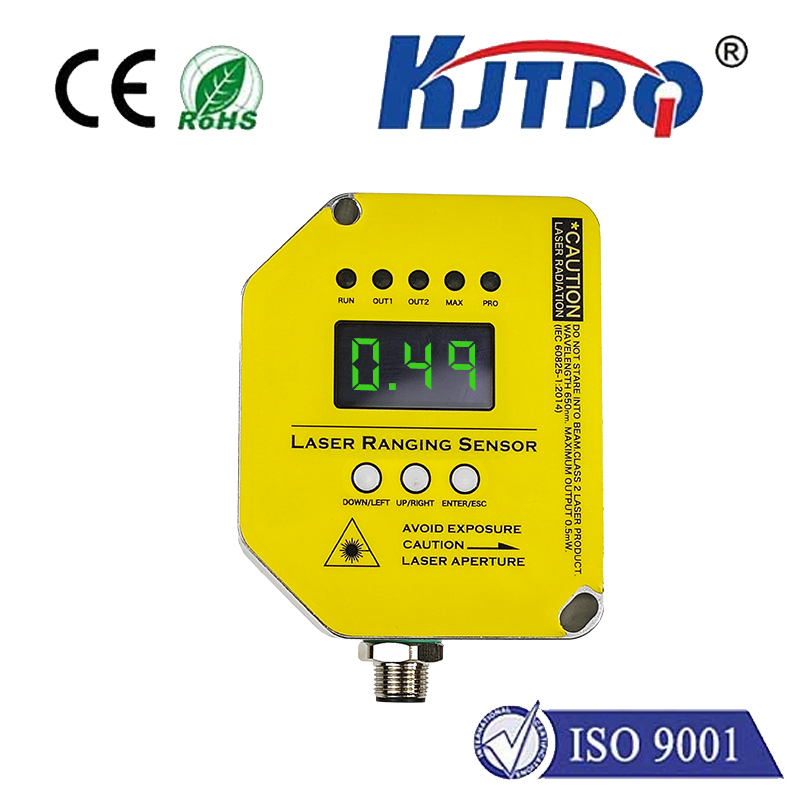
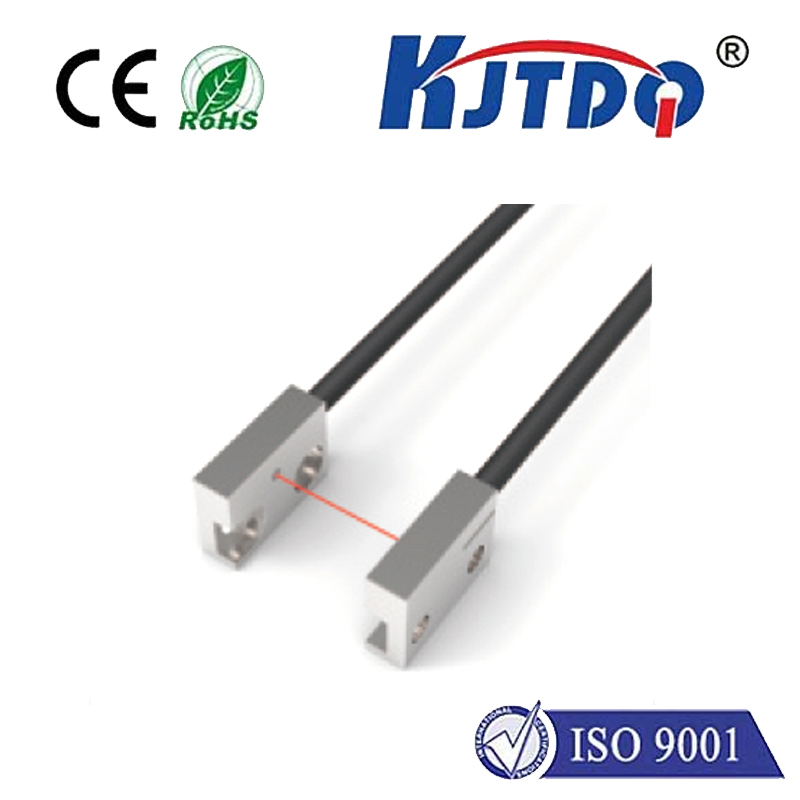
In today's fast-paced technological landscape, the demand for accurate distance measurement tools has surged across various industries. The Laser Rangefinder Sensor stands out as a pivotal innovation, offering unparalleled precision in applications ranging from construction and surveying to robotics and consumer electronics. This advanced sensor utilizes laser beams to calculate distances with high accuracy, often within millimeters, by measuring the time it takes for the light to reflect off a target and return.
One of the key advantages of the Laser Rangefinder Sensor is its ability to operate effectively in diverse environmental conditions. Unlike traditional measurement methods that may be affected by factors like humidity or poor lighting, laser-based sensors maintain consistency and reliability. For instance, in outdoor settings such as forestry or agriculture, these sensors enable professionals to map terrains and monitor crop growth with minimal error. Similarly, in industrial automation, they facilitate precise object detection and positioning, enhancing production line efficiency and safety.
The integration of the KJTDQ Laser Rangefinder Sensor into modern devices has revolutionized user experiences. In smartphones and cameras, it allows for faster autofocus and improved augmented reality features, making everyday tasks more intuitive. Moreover, in the automotive sector, these sensors are crucial for advanced driver-assistance systems (ADAS), helping vehicles detect obstacles and navigate complex environments autonomously. This not only boosts convenience but also contributes to reducing accidents and saving lives.
From a technical perspective, the Laser Rangefinder Sensor operates on principles like time-of-flight (ToF) or phase-shift measurement, depending on the model. ToF sensors emit short laser pulses and calculate distance based on the round-trip time, while phase-shift variants analyze changes in the wave phase of continuous laser beams. Both methods offer distinct benefits; for example, ToF sensors are ideal for long-range measurements, whereas phase-shift sensors excel in high-resolution, short-range applications. Users can select the appropriate type based on their specific needs, ensuring optimal performance.
In addition to its core functionality, the Laser Rangefinder Sensor is designed with energy efficiency and durability in mind. Many models feature low power consumption, making them suitable for battery-operated devices like drones or handheld tools. They are also built to withstand shocks, vibrations, and extreme temperatures, ensuring longevity in harsh operational environments. This robustness, combined with easy integration into existing systems, makes them a cost-effective solution for businesses looking to upgrade their measurement capabilities.
As technology continues to evolve, the potential applications of Laser Rangefinder Sensors are expanding. Researchers are exploring uses in healthcare, such as non-invasive medical imaging, and in environmental monitoring to track climate change impacts. With ongoing advancements in miniaturization and data processing, these sensors are becoming more accessible and versatile, paving the way for smarter, more connected ecosystems. By adopting tools like the KJTDQ Laser Rangefinder Sensor, industries can achieve greater accuracy, efficiency, and innovation in their operations.