check

check

check

check

check

check
In today's fast-paced technological landscape, the demand for accurate distance and speed measurement has never been greater. The integration of laser rangefinder and velocity sensor technologies represents a significant leap forward, providing unparalleled precision across a diverse range of industries. From advanced robotics and autonomous vehicles to sports analytics and industrial automation, these combined systems are redefining the benchmarks for reliability and efficiency.
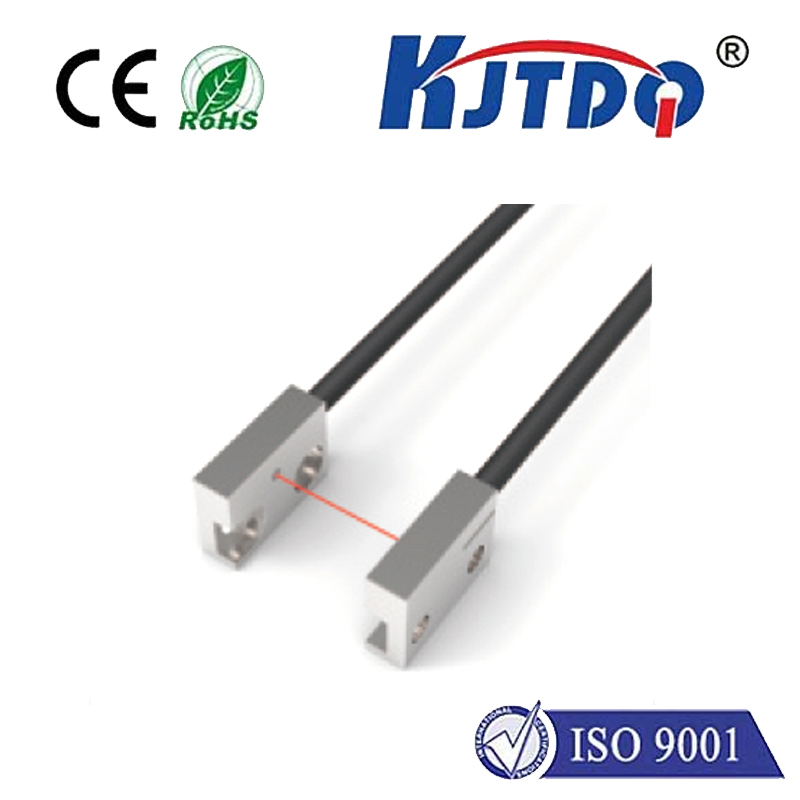
A laser rangefinder operates by emitting a focused beam of light towards a target and calculating the distance based on the time it takes for the reflection to return. This principle, known as time-of-flight measurement, allows for highly accurate distance readings over both short and long ranges. Modern enhancements have improved their performance in various environmental conditions, including low visibility and challenging weather. When paired with a velocity sensor, which measures the rate of change in position, the system gains a dynamic capability. The velocity sensor, often utilizing Doppler effect principles or inertial measurement units, tracks movement speed with exceptional fidelity. Together, they form a cohesive unit that not only pinpoints location but also monitors motion in real-time.
The applications of this synergistic technology are vast and transformative. In the realm of autonomous navigation, self-driving cars rely on these sensors to map their surroundings, detect obstacles, and adjust speed instantaneously, ensuring passenger safety and smooth operation. In sports science, coaches and athletes use portable laser and velocity devices to analyze performance metrics such as a baseball's pitch speed, a golfer's swing velocity, or a sprinter's acceleration, enabling data-driven training adjustments. Industrial settings benefit immensely as well; manufacturing robots equipped with these sensors can perform precise assembly tasks, while logistics companies employ them for automated inventory management and warehouse navigation, boosting productivity and reducing errors.
Furthermore, the construction and surveying sectors have embraced these tools for land measurement, structural monitoring, and 3D modeling, where millimeter-level accuracy is crucial. Environmental scientists also deploy them to track glacier movements, monitor wildlife speeds, and study atmospheric phenomena. The military and defense fields utilize hardened versions for targeting, reconnaissance, and perimeter security, where split-second decisions depend on exact data.
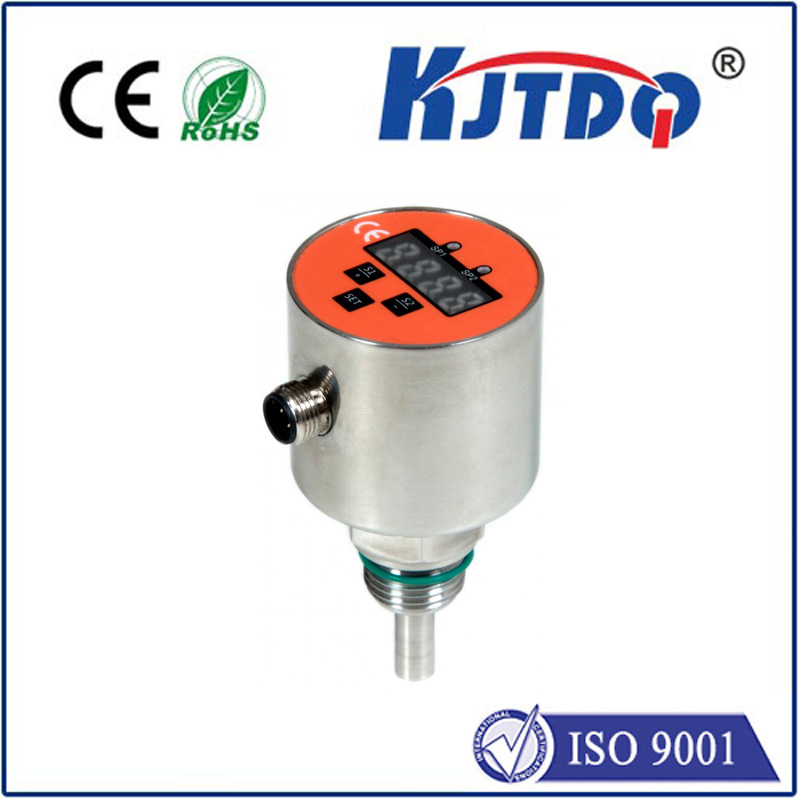
Despite their advanced capabilities, users often prioritize ease of integration and durability. Contemporary laser rangefinder and velocity sensor systems are designed with compact form factors, robust housing to withstand dust and moisture, and user-friendly interfaces that simplify data interpretation. Wireless connectivity options, such as Bluetooth and Wi-Fi, facilitate seamless communication with other devices and software platforms, enabling comprehensive data logging and analysis.
Looking ahead, ongoing research aims to enhance the affordability, energy efficiency, and miniaturization of these sensors. Innovations in solid-state laser technology and micro-electromechanical systems (MEMS) are paving the way for even smaller, more cost-effective solutions without compromising accuracy. As artificial intelligence and machine learning algorithms become more sophisticated, the fusion of sensor data with predictive analytics will unlock new possibilities, from proactive maintenance in industrial machinery to adaptive control in smart city infrastructure.
In conclusion, the combination of laser rangefinder and velocity sensor technologies is not merely an incremental improvement but a foundational shift in measurement science. By delivering precise, real-time insights into distance and motion, these systems empower professionals and enthusiasts alike to achieve higher standards of performance, safety, and innovation. As they continue to evolve, their role in shaping a more automated and data-centric world will undoubtedly expand, solidifying their status as indispensable tools for the future.