check

check

check

check

check

check
In the world of industrial automation and process control, the ability to detect objects or monitor positions reliably under extreme conditions is not just a convenience—it’s a critical necessity for safety, efficiency, and productivity. This is where specialized components like the M9H203 High Pressure Proximity Sensor come into play, offering a robust solution for applications where standard sensors would fail. This guide delves into the core features, operational principles, and key applications of this high-performance sensor, providing a comprehensive overview for engineers and procurement specialists.
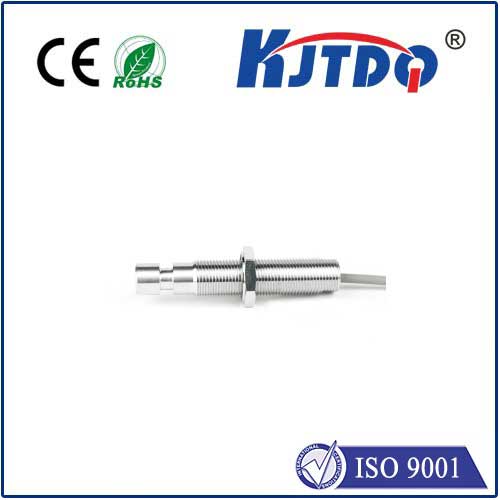
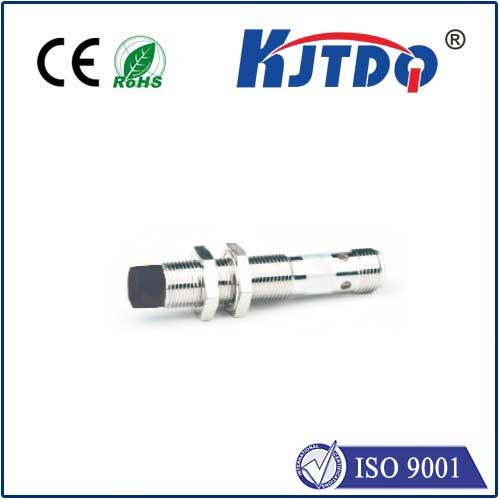
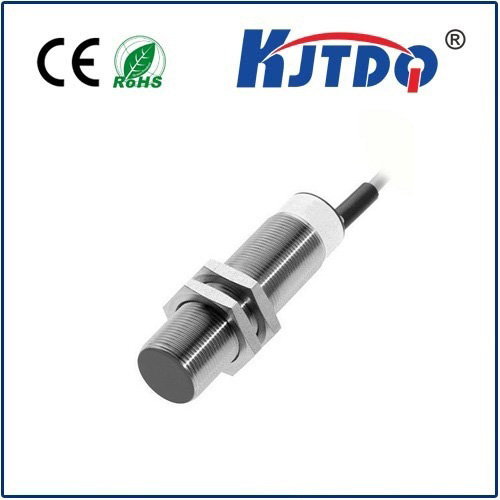
The M9H203 is engineered specifically to withstand environments with elevated pressure levels, a common challenge in sectors such as hydraulic systems, heavy machinery, die-casting, and offshore operations. Unlike conventional inductive or capacitive proximity sensors, the M9H203 is built with a reinforced housing and sealed construction that prevents media ingress and resists the mechanical stresses induced by high-pressure fluids or gases. Its design ensures consistent performance and longevity, even when subjected to constant pressure cycles and potential shock waves.
At its core, the sensor operates on a proven sensing technology, typically inductive or magnetic, tailored for high-pressure resilience. It detects the presence or absence of a metallic target without any physical contact. This non-contact operation is vital in high-pressure scenarios, as it eliminates wear and tear, reduces maintenance downtime, and prevents leaks that could arise from penetrative mechanical switches. The sensing face is specifically designed to maintain its sensing distance and switching characteristics reliably, regardless of the external pressure acting upon its housing. Key specifications often include a high IP (Ingress Protection) rating, such as IP67 or IP69K, ensuring protection against dust and high-pressure water jets, alongside a specified maximum operating pressure that defines its safe working envelope.
The advantages of implementing the M9H203 are multifaceted. First and foremost is enhanced system reliability. By providing accurate and fail-safe detection in harsh conditions, it prevents machine malfunctions and supports predictive maintenance schedules. Secondly, it contributes to operational safety. In systems controlling high-pressure hydraulics, a faulty detection signal can lead to dangerous situations; the M9H203’s robustness mitigates this risk. Finally, it offers long-term cost efficiency. The initial investment is offset by reduced replacement frequency, lower maintenance costs, and the prevention of costly production stoppages due to sensor failure.
Practical applications for the M9H203 High Pressure Proximity Sensor are widespread across demanding industries. In hydraulic press controls, it is used for precise end-position detection of cylinders. Within injection molding machines, it monitors clamp position under high tonnage. The oil and gas industry utilizes it on subsea equipment and high-pressure pipeline valves. It also finds use in test stands for engines and hydraulic components, where pressures are deliberately elevated to extreme levels for validation purposes. When selecting an M9H203 sensor, critical factors to consider include the required sensing distance, the type of output signal (e.g., PNP/NPN, analog), the electrical connection style, the specific pressure rating needed for the application, and the ambient temperature range.
Installation and maintenance, while straightforward, require attention to detail. The sensor must be mounted securely, with proper torque applied to its housing or mounting nuts to maintain its pressure seal. The sensing face should be kept clean and free from buildup of ferritic swarf or other contaminants that could affect performance. Regular functional checks as part of a broader maintenance routine are recommended to ensure ongoing reliability.
In conclusion, the M9H203 High Pressure Proximity Sensor represents a specialized tool for a challenging niche. Its value lies in its engineered durability and consistent performance where pressure is a dominant factor. For operations facing the relentless demands of high-pressure environments, integrating a sensor like the M9H203 is a strategic decision that safeguards equipment, ensures process continuity, and upholds the highest standards of industrial safety and efficiency. Choosing the right sensor for these conditions is not merely a technical specification—it is an investment in the resilience and future-proofing of critical industrial systems.