check

check

check

check

check

check
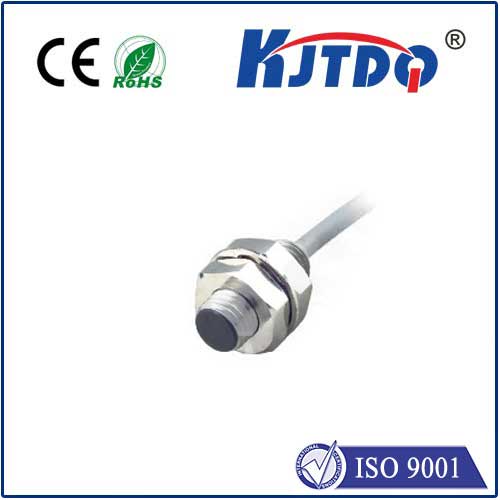
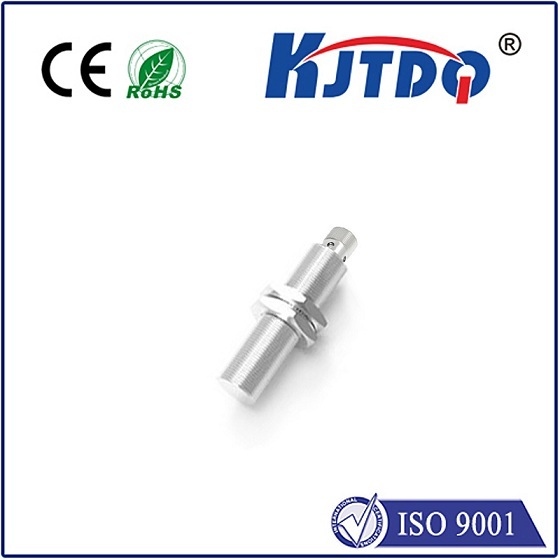
In the demanding world of industrial automation and heavy machinery, sensor failure is not an option. Downtime translates directly to lost revenue and compromised safety. This is where precision-engineered components like the DCC 12 VHD 2 PO-B3-69-2 High Pressure Proximity Sensor prove their indispensable value. Designed to operate flawlessly in extreme environments, this sensor represents a critical link in maintaining continuous, efficient, and safe operations across various sectors, from hydraulic systems and press machines to offshore platforms and mobile equipment.
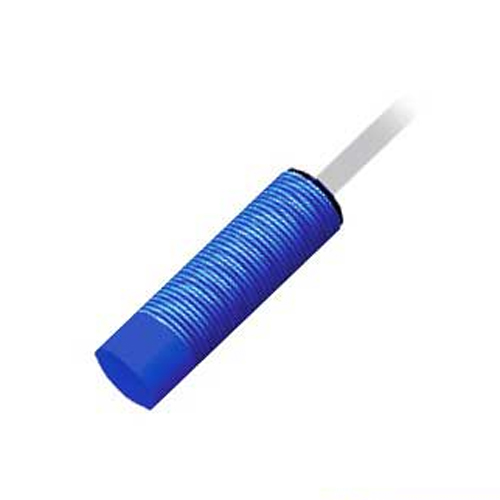
The core function of the DCC 12 VHD 2 PO-B3-69-2 is non-contact detection of metallic targets in high-pressure zones. Unlike standard inductive sensors, this model is specifically built to withstand the immense pressures found inside hydraulic cylinders, valve blocks, and other pressurized assemblies. Its robust housing, typically constructed from high-grade stainless steel, is engineered to resist deformation and seal integrity loss. This inherent durability ensures that the sensor can perform its detection task reliably, even when submerged in hydraulic fluid or exposed to pressures that would cripple lesser components. The "PO-B3-69-2" designation often refers to specific electrical connections, housing style, and sensing characteristics, making it a precise fit for standardized industrial applications.
One of the standout features of this sensor series is its unwavering performance under stress. Fluctuations in system pressure are a constant challenge. The DCC 12 VHD 2 is designed with this in mind, maintaining a consistent sensing range and switch point regardless of pressure variances. This stability is paramount for applications like position feedback in hydraulic cylinders, where accurate detection of piston rod position is crucial for cycle control and preventing end-of-stroke damage. The sensor provides a clear, binary signal—ensuring control systems receive unambiguous data for decision-making.
Installation and integration are streamlined for efficiency. The compact form factor of models like the PO-B3-69-2 allows for direct mounting into pre-drilled ports or housings, minimizing space requirements and simplifying retrofitting into existing machinery. The 12 VDC operating voltage is standard for industrial control circuits, ensuring broad compatibility with PLCs (Programmable Logic Controllers) and other control units. This plug-and-play philosophy reduces commissioning time and helps maintenance teams quickly replace units during scheduled service, minimizing operational interruption.
The application scope for a high-pressure proximity sensor is vast. Beyond hydraulic cylinders, they are vital in die-casting machines for monitoring injection piston position, in plastic injection molding for nozzle control, and in test stands for high-pressure fluid monitoring. In mobile hydraulics, such as in construction or agricultural machinery, these sensors provide reliable feedback for loader position, boom angle, or steering mechanisms, directly contributing to operator safety and machine efficiency. Their ability to function in lubricated and contaminated environments makes them a versatile solution where other sensing technologies might fail.
Selecting the correct sensor for a high-pressure application involves several key considerations. The maximum pressure rating must exceed the system's peak operating pressure, including any potential pressure spikes. Chemical compatibility with the hydraulic fluid or other media is essential to prevent seal degradation. The required sensing distance and target material (typically ferrous metals) must match the sensor's specifications. Finally, the electrical output type (e.g., PNP or NPN) and connection style must align with the existing control system architecture. The DCC 12 VHD 2 PO-B3-69-2 model encapsulates a specific set of these parameters, offering a reliable, off-the-shelf solution for many common high-pressure challenges.
For maintenance engineers and plant managers, the reliability of such components is a top priority. Implementing sensors with a proven track record in harsh conditions leads to predictable maintenance schedules and fewer emergency breakdowns. The data provided by these sensors also feeds into condition monitoring systems, allowing for predictive maintenance strategies. By monitoring sensor signal patterns, potential issues in the hydraulic system, like pump wear or internal leaks, can be identified early, before they lead to catastrophic failure.
In conclusion, the DCC 12 VHD 2 PO-B3-69-2 High Pressure Proximity Sensor is more than just a component; it is a cornerstone of modern industrial reliability. Its specialized design for high-pressure environments delivers the accuracy, durability, and stability required for critical automation tasks. By ensuring precise positional feedback and withstanding extreme operational stresses, it empowers industries to achieve higher levels of productivity, safety, and operational continuity. When the pressure is on, the right sensor makes all the difference.