check

check

check

check

check

check
In the demanding world of industrial automation and process control, the reliability and accuracy of sensing technology are non-negotiable. Among the critical components that ensure seamless operations, the KGG20H42P High Pressure Proximity Sensor stands out as a premier solution for environments where precision under extreme conditions is paramount. This guide delves into the features, applications, and benefits of this advanced sensor, offering insights for engineers and procurement specialists seeking robust sensing solutions.
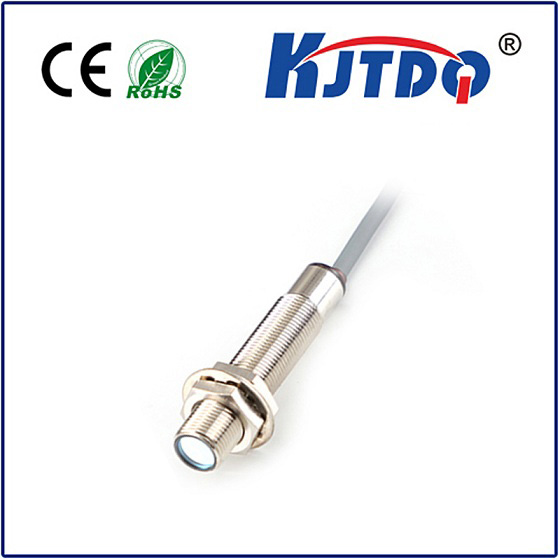
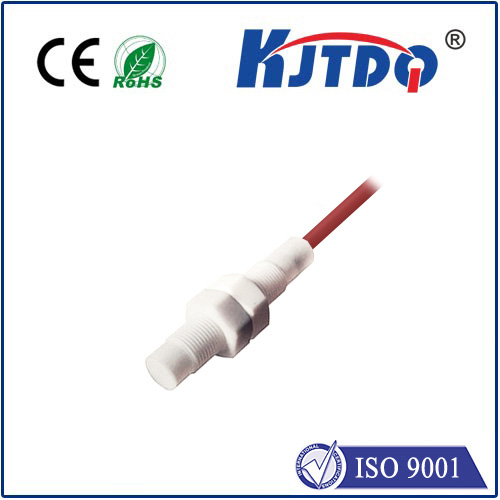
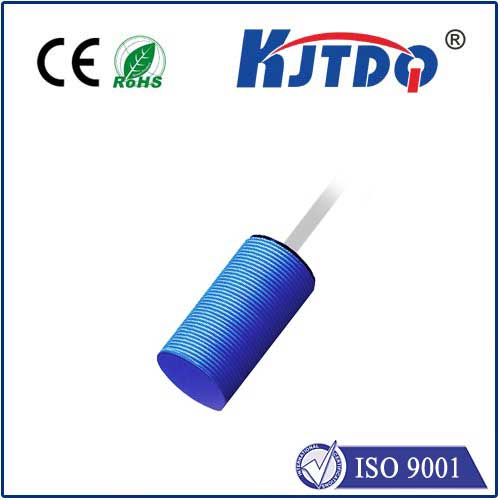
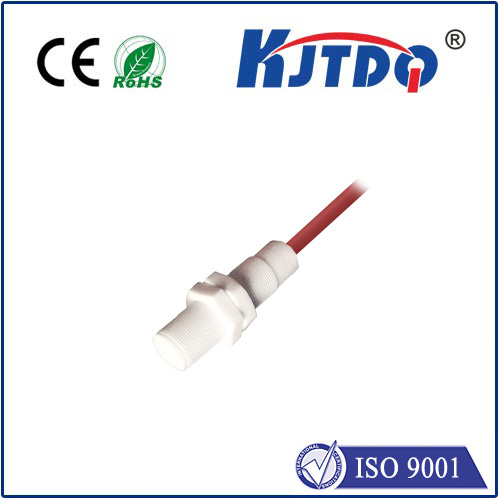
The KGG20H42P is engineered to excel in high-pressure environments, making it an indispensable tool across various heavy industries. Its core functionality revolves around detecting the presence or absence of metallic objects without physical contact, utilizing electromagnetic fields to provide accurate, real-time data. This non-contact operation is crucial in settings where mechanical wear, contamination, or pressure fluctuations could compromise traditional sensors. The sensor's housing is typically constructed from durable materials like stainless steel, ensuring resilience against corrosion, high temperatures, and physical impacts common in sectors such as oil and gas, hydraulic systems, and heavy machinery manufacturing.
One of the defining characteristics of the KGG20H42P is its exceptional pressure rating. Designed to withstand pressures that would incapacitate standard sensors, it maintains consistent performance in systems where fluid or gas pressures are exceptionally high. This capability is vital for applications like monitoring valve positions in pipelines, detecting piston movements in hydraulic cylinders, or ensuring proper alignment in press machinery. The sensor's output signals—often available in analog or digital formats like 4-20 mA or PNP/NPN—integrate seamlessly with programmable logic controllers (PLCs) and industrial networks, facilitating automated control and monitoring.
Installation and maintenance of the KGG20H42P are streamlined for efficiency. Its compact design allows for easy mounting in space-constrained areas, while features like LED indicators simplify calibration and troubleshooting. Users report minimal downtime due to the sensor's long operational life, which is bolstered by its resistance to vibration, shock, and environmental contaminants. In practice, this translates to reduced maintenance costs and enhanced system uptime, key factors for industries prioritizing operational continuity.
From automotive assembly lines to offshore drilling platforms, the applications of the KGG20H42P are vast. In the energy sector, it monitors equipment integrity in high-pressure compressors and turbines. In manufacturing, it ensures precision in robotic arms handling metallic components. Even in aerospace, its reliability aids in testing hydraulic systems under simulated flight conditions. Each use case underscores the sensor's versatility and dependability, making it a trusted component in mission-critical systems worldwide.
Selecting the right proximity sensor involves considering factors like sensing range, environmental ratings, and output compatibility. The KGG20H42P addresses these with a balanced specification sheet, offering adjustable sensing distances, IP67 or higher ingress protection for dust and water resistance, and compatibility with various voltage supplies. When compared to alternatives, its high-pressure tolerance often makes it the preferred choice for specialized applications where failure is not an option.
In conclusion, the KGG20H42P High Pressure Proximity Sensor represents a fusion of durability, precision, and adaptability. For industries navigating the challenges of automation under extreme conditions, it provides a reliable sensing foundation that enhances safety, efficiency, and productivity. As technology evolves, such components will continue to play a pivotal role in shaping the future of industrial innovation.