check

check

check

check
check
check
check
check

check

check
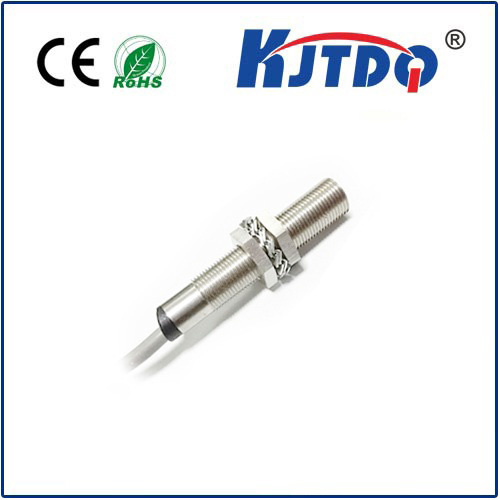
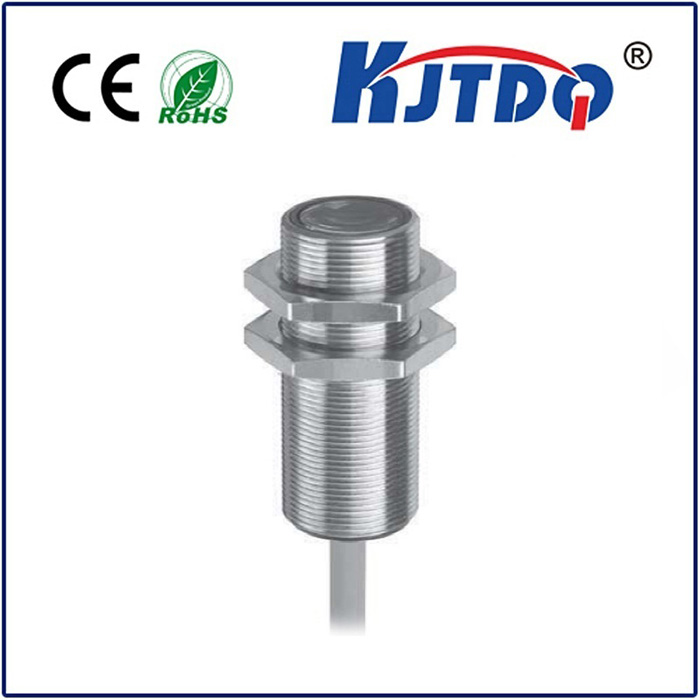
In the world of industrial automation, reliability is not just a feature; it's the foundation of productivity and safety. Harsh environments characterized by extreme pressures, temperature fluctuations, and constant vibration demand components that are engineered to endure. The BES M18EG1-PSC10Z-S04G-S11 (BES02Y3) High Pressure Proximity Sensor stands as a prime example of such engineering excellence, specifically designed to deliver unwavering performance where standard sensors falter.
Traditional inductive proximity sensors can struggle when exposed to high external pressures, such as those found in hydraulic systems, die-casting machines, plastic injection molding equipment, and heavy-duty press applications. These conditions can lead to housing deformation, seal failure, and ultimately, sensor malfunction or premature failure. This results in unplanned downtime, costly maintenance, and potential safety risks. The BES M18EG1-PSC10Z-S04G-S11 model directly addresses these challenges. Its core design incorporates a reinforced stainless steel housing rated for high-pressure resistance, ensuring structural integrity is maintained even under significant external force. The advanced sealing technology provides an exceptional degree of ingress protection, typically rated at IP67 or higher, safeguarding the internal electronics from oil, coolant, and particulate contamination.
The technical specifications of this sensor reveal its robust capabilities. The "M18" denotes an 18mm cylindrical threaded housing, a standard size for easy integration into existing machine designs. The "EG1" series indicates a family of sensors built with enhanced materials and construction. A key feature is its high switching frequency and repeat accuracy, allowing for precise detection of metallic targets even in fast-moving production lines. The electrical connection, implied by the variant code, offers reliable plug compatibility, simplifying installation and maintenance procedures. The sensor operates on a standard DC voltage range, providing a stable PNP or NPN output signal compatible with most programmable logic controllers (PLCs) and control systems.
Beyond its physical robustness, the BES02Y3 variant offers significant operational advantages. Its non-contact sensing principle eliminates mechanical wear, leading to a dramatically extended service life compared to mechanical limit switches. This translates directly into lower total cost of ownership. The sensor's ability to perform reliably in environments with heavy oil mist or coolant spray means it can be placed closer to the action, improving machine control and process accuracy. For maintenance teams, the consistent performance and clear diagnostic indicators reduce troubleshooting time and increase overall equipment effectiveness (OEE).
Selecting the right high-pressure proximity sensor requires careful consideration of the application parameters. Engineers must evaluate the maximum external pressure the sensor will face, the ambient temperature range, the required sensing distance, and the type of target material. The BES M18EG1-PSC10Z-S04G-S11 is particularly suited for applications like monitoring piston position in hydraulic cylinders, detecting mold closure in high-pressure casting, ensuring tool presence in CNC machining centers, and verifying part ejection in stamping presses. Its design ensures that signal integrity remains stable, preventing false triggers that could disrupt an automated sequence.
In conclusion, the BES M18EG1-PSC10Z-S04G-S11 (BES02Y3) is more than just a component; it is a critical investment in operational resilience. By choosing a sensor specifically engineered for high-pressure environments, manufacturers and plant operators can build more reliable, efficient, and safer automated systems. It exemplifies how targeted engineering solutions solve specific industrial challenges, preventing downtime and protecting valuable capital equipment. For any application where pressure is a constant factor, this sensor provides the dependable detection needed to keep processes running smoothly and profitably.