check

check

check

check

check

check
In demanding industrial environments, the integrity of machinery and the safety of operations hinge on the precision and durability of monitoring components. Among these critical components, proximity sensors play a pivotal role. The FP182P1 High Pressure Proximity Sensor stands out as a premier solution engineered for extreme conditions where standard sensors falter. This guide delves into the core features, operational principles, and vital applications of this robust device, explaining why it has become a cornerstone in modern industrial automation.
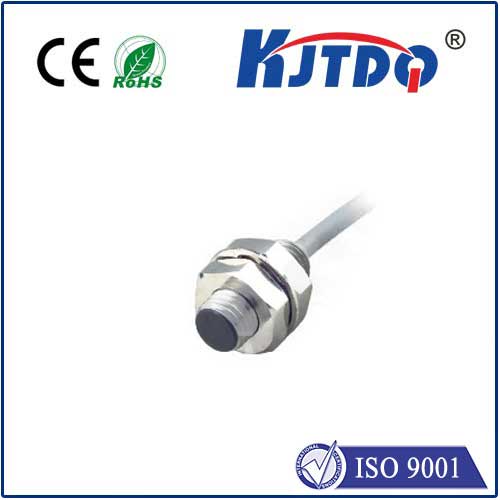
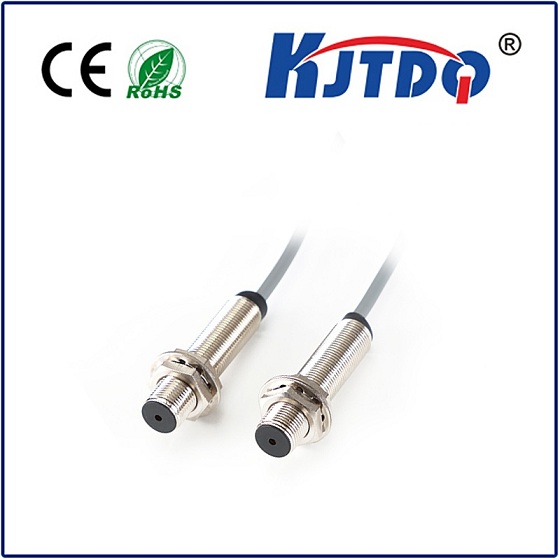
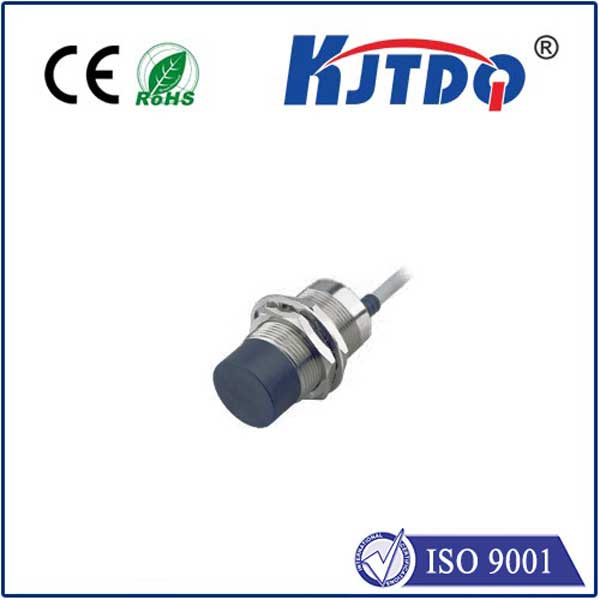
Unlike conventional inductive or capacitive sensors, the FP182P1 is specifically designed to withstand exceptionally high-pressure environments. Its construction typically involves a hermetically sealed housing made from high-grade stainless steel or similarly resilient alloys. This design is not merely for physical protection; it ensures that the sensor's internal electronics remain completely isolated from external contaminants such as hydraulic fluids, coolants, abrasive particles, and moisture. The sealing technology is capable of withstanding pressures that would compromise lesser sensors, making it ideal for use in hydraulic systems, deep-sea equipment, and high-pressure processing lines.
The operational principle of the FP182P1 is based on robust inductive or magnetostrictive technology, tailored for high-pressure resilience. It detects the presence or absence of a metallic target without physical contact. When a ferrous metal object enters its sensing field, it causes a change in the oscillation amplitude within the sensor's coil. This change is processed by the integrated circuitry, which then triggers a clean, switch-like output signal. This non-contact method is crucial in high-pressure scenarios, as it eliminates mechanical wear and tear, significantly extending the sensor's service life and reducing maintenance downtime. The sensor provides consistent, repeatable detection even in the presence of intense vibration or pressure fluctuations.
Key performance characteristics define the FP182P1's superiority. Its sensing range is precisely calibrated, offering reliable detection at specified distances even under pressure. The response time is exceptionally fast, enabling real-time monitoring and control in dynamic systems. It operates reliably across a wide temperature range, from sub-zero cold to intense heat, often encountered in foundries or outdoor applications. Furthermore, its output is stable and immune to electrical noise commonly found in industrial settings with heavy machinery and variable frequency drives. Many models offer various output options, including PNP, NPN, or analog (4-20mA), providing flexibility for integration into different control systems.
The applications for the FP182P1 High Pressure Proximity Sensor are vast and critical. In the oil and gas industry, it monitors valve positions, piston movement in hydraulic fracturing equipment, and safety interlocks on high-pressure pumps and compressors. Within heavy manufacturing and stamping presses, it ensures tooling is in the correct position before a high-tonnage cycle begins, preventing catastrophic damage. It is also indispensable in marine and offshore engineering, where equipment must endure the immense pressures of deep water while providing flawless feedback for robotic arms or drilling apparatus.
Selecting and installing the FP182P1 requires attention to detail. Engineers must consider the specific pressure rating, the material compatibility with the operating medium, the required sensing distance, and the electrical interface of the control system. Proper mounting is essential; the sensor must be securely fastened to withstand vibration, and its sensing face should be positioned correctly relative to the target. Environmental factors like ambient temperature and potential chemical exposure should also guide the selection process to ensure optimal performance and longevity.
In conclusion, the FP182P1 High Pressure Proximity Sensor represents a fusion of rugged engineering and precise detection technology. It is more than just a sensor; it is a reliability component that safeguards expensive machinery, enhances process efficiency, and protects personnel in some of the world's most challenging industrial settings. For system designers and maintenance engineers seeking unwavering performance under pressure, the FP182P1 offers a proven, dependable solution that meets the rigorous demands of today's advanced industries.