check

check

check

check

check

check
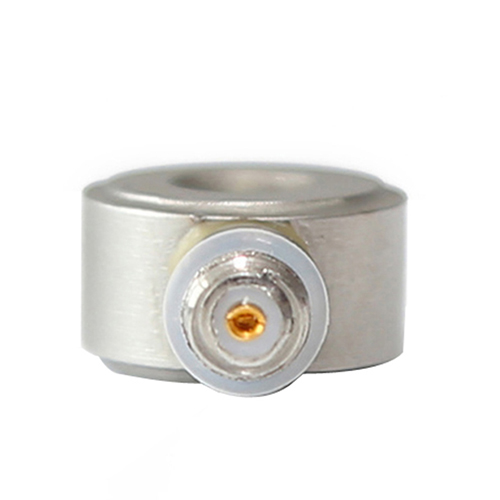
In the demanding world of industrial automation, where machinery operates under extreme pressures and in unforgiving conditions, sensor failure is not an option. It leads to costly downtime, compromised safety, and production inefficiencies. This is where the KJTDQ BD1.5-P1-M12S-622 High Pressure Proximity Sensor steps in, engineered specifically to deliver unwavering reliability where ordinary sensors falter. This inductive proximity sensor is not just another component; it is a critical safeguard for high-pressure hydraulic systems, heavy-duty presses, injection molding machines, and offshore drilling equipment.
The core challenge in high-pressure applications is the immense physical stress exerted on sensor housings. Standard sensors can deform, leak, or allow media ingress, leading to catastrophic failure. The BD1.5-P1-M12S-622 is constructed with a robust, stainless steel housing rated for exceptional pressure resistance. Its design ensures a hermetic seal, protecting the internal electronics from hydraulic fluids, coolants, and particulate contaminants commonly found in industrial settings. This rugged build guarantees consistent performance, even when subjected to intense shock and vibration, making it an ideal choice for mobile hydraulics and construction machinery.
Precision is paramount. With a sensing distance of 1.5mm and a PNP normally-open (NO) configuration, this sensor provides accurate and repeatable detection of metallic targets. The M12S 4-pin quick-disconnect connector facilitates easy installation and maintenance, reducing system integration time. Its compact form factor allows for installation in space-constrained locations without sacrificing durability or sensing capability. The sensor's high switching frequency ensures it can keep pace with fast-moving components in automated production lines, providing real-time feedback to control systems.
What truly sets the KJTDQ BD1.5-P1-M12S-622 apart is its specialized suitability for environments where pressure spikes are routine. In hydraulic cylinder position feedback, for instance, the sensor can reliably detect the piston position despite fluctuating system pressures that would compromise lesser devices. Similarly, in die-casting or plastic injection molding, it performs flawlessly in the presence of high clamping forces and temperatures. This reliability translates directly into reduced maintenance cycles, lower total cost of ownership, and enhanced operational uptime.
Electrical compatibility and protection are thoroughly addressed. The sensor operates on a wide voltage range, typically 10-30V DC, ensuring compatibility with most industrial control systems. It features built-in protection against short-circuit, reverse polarity, and electromagnetic interference (EMI), which are common causes of unexpected sensor failure in electrically noisy industrial plants. This robust electrical design ensures signal integrity and long-term stability.
Implementing the BD1.5-P1-M12S-622 is a strategic decision for engineers and plant managers focused on system resilience. Its application extends beyond factory floors to include renewable energy systems like hydraulic pitch controls in wind turbines, and in marine applications where corrosion resistance and pressure tolerance are critical. By choosing this high-pressure proximity sensor, businesses invest in a component that mitigates risk, enhances safety protocols, and supports continuous, efficient production.
Ultimately, the KJTDQ BD1.5-P1-M12S-622 represents a fusion of rugged engineering and precise sensing technology. It answers the industry's call for components that can not only survive but thrive under pressure. For operations where failure is too costly to consider, this sensor provides the dependable, long-lasting performance required to maintain a competitive edge in today's aggressive industrial landscape. It is more than a sensor; it is a pillar of operational integrity.