check

check

check

check

check

check
In the world of industrial automation, where precision, reliability, and durability are non-negotiable, selecting the right sensing technology is paramount. The KAS-80-A24-50-A-K-PTFE-Y3 High Pressure Proximity Sensor emerges as a standout component engineered to excel in the most challenging environments. This sensor is not merely a component; it is a critical enabler for operational efficiency and safety in sectors ranging from hydraulic systems and heavy machinery to chemical processing and offshore operations.
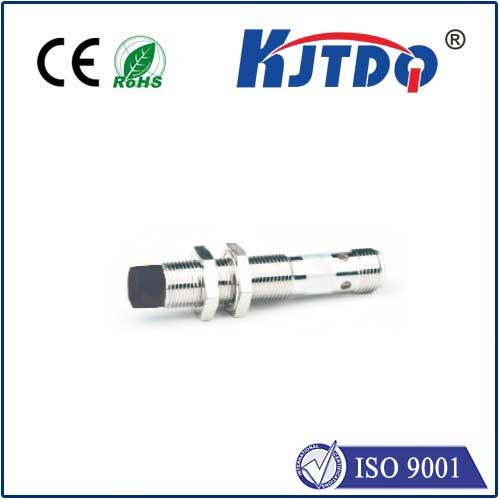
At its core, the KAS-80-A24-50-A-K-PTFE-Y3 is designed to detect the presence or absence of metallic objects without physical contact. Its defining characteristic is its exceptional resilience to high-pressure conditions. Traditional sensors often falter under intense pressure, leading to signal drift, material failure, or complete breakdown. This model is specifically constructed to withstand these forces, ensuring consistent and accurate detection even when submerged in high-pressure hydraulic fluids or exposed to intense mechanical stress. The robust housing and internal design prevent deformation and ingress, maintaining sensor integrity.
The material composition is a key factor in its performance. The inclusion of PTFE, or Polytetrafluoroethylene, in its designation is crucial. PTFE is renowned for its outstanding chemical resistance, extremely low friction coefficient, and ability to perform across a wide temperature range. For the KAS-80-A24-50-A-K-PTFE-Y3, this means the sensing face and relevant seals are impervious to a vast array of aggressive chemicals, oils, and solvents. This makes it an ideal choice for applications in chemical plants, food and beverage processing (where cleaning agents are used), and any environment involving corrosive substances. The material also contributes to a longer service life by resisting wear and buildup.
Electrical specifications are equally important for seamless integration. The "A24" indicates a 24V DC operating voltage, the standard for most industrial control systems. This ensures easy compatibility with Programmable Logic Controllers (PLCs) and other automation hardware without the need for additional converters or complex wiring schemes. The output type, implied by the model code, typically offers reliable switching signals—be it PNP or NPN—providing a clear interface for control logic.
Installation and maintenance are streamlined for efficiency. The sensor's design often incorporates features like LED status indicators for quick diagnostics, standardized mounting threads for easy replacement, and a sensing range ("50" likely referring to a 50mm range or a specific dimension) optimized for practical industrial setups. Its resilience translates to reduced downtime; when equipment is subjected to high pressure and harsh media, the last point of failure needed is a fragile sensor. The KAS-80-A24-50-A-K-PTFE-Y3's durability minimizes unplanned maintenance, contributing directly to higher overall equipment effectiveness (OEE).
Consider its application in a hydraulic press. The sensor must reliably detect the position of a piston or platen under tremendous and fluctuating pressure. Any failure could lead to improper cycling, product damage, or safety hazards. Here, the high-pressure rating and PTFE protection ensure the sensor's signal remains stable, cycle after cycle. In offshore drilling equipment, where sensors face saltwater, high pressures, and constant vibration, this model's robust construction ensures continuous monitoring of critical components.
Operators and plant engineers prioritize solutions that deliver long-term value beyond the initial purchase. The KAS-80-A24-50-A-K-PTFE-Y3 High Pressure Proximity Sensor represents this philosophy. It addresses the core challenges of industrial sensing—environmental hostility and the demand for unwavering accuracy—with a focused design. By reducing the frequency of sensor replacements and preventing production stoppages, it offers a compelling return on investment. For system integrators and OEMs designing machinery for tough duties, specifying a sensor of this caliber is a strategic decision toward building a reputation for reliability.
In conclusion, navigating the complexities of modern industrial automation requires components that are as tough as the applications they serve. The KAS-80-A24-50-A-K-PTFE-Y3 stands as a testament to specialized engineering, providing a dependable, high-performance sensing solution where others may not suffice. Its combination of high-pressure endurance, superior chemical resistance, and industrial-standard electrical design makes it a cornerstone for building resilient and efficient automated systems.