check

check

check

check

check

check
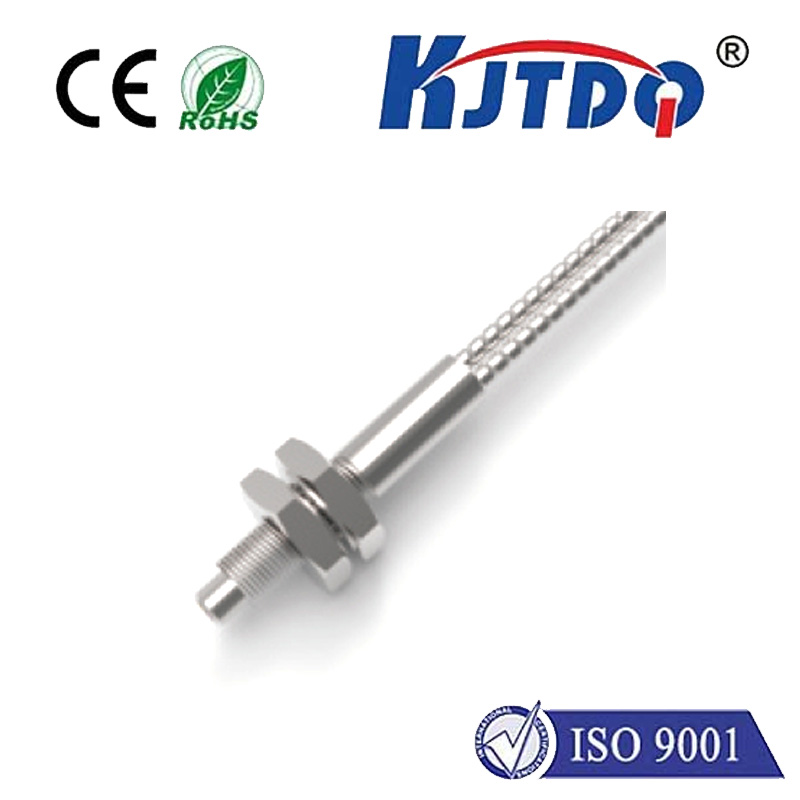
In the demanding world of industrial automation and heavy machinery, reliable sensing under extreme conditions is not a luxury—it's a necessity. The DW-AD-504-P12-625 High Pressure proximity sensor stands as a critical component engineered to meet this exacting demand. Designed for environments where standard sensors falter, this device ensures operational continuity, safety, and precision where it matters most.
The core challenge in high-pressure applications, such as hydraulic systems, die-casting machines, or offshore equipment, is the relentless force exerted on all components. Ordinary sensors can suffer from seal failure, housing deformation, or signal drift when subjected to pressures reaching 625 bar, as indicated by the model's "625" rating. The DW-AD-504-P12-625 is specifically constructed to withstand this. Its robust housing, typically crafted from high-grade stainless steel, is engineered to resist mechanical stress and corrosion. The integrated pressure-resistant design ensures that the internal sensing element and electronics remain isolated and fully functional, providing consistent and accurate detection of metallic targets even when submerged in high-pressure fluid environments or exposed to intense physical forces.
Beyond its impressive pressure rating, the "P12" in its designation often refers to a specific connector type or form factor, ensuring easy integration into existing industrial setups. This sensor typically operates on inductive principles, generating an electromagnetic field to detect the presence of ferrous or non-ferrous metal targets without any physical contact. This non-contact operation is vital in high-pressure zones, as it eliminates points of wear and tear that could become failure points. The output is usually a clean, digital switching signal—commonly PNP or NPN—that interfaces seamlessly with Programmable Logic Controllers (PLCs), making it a plug-and-play solution for automating valve position feedback, cylinder end-position detection, or presence verification in press lines.
The benefits of deploying the DW-AD-504-P12-625 extend far beyond mere durability. First, it significantly enhances system safety. By providing fail-safe detection of critical machine components, it helps prevent catastrophic failures that could lead to unplanned downtime, product damage, or even personnel hazards. Second, it boosts operational efficiency. Its high repeat accuracy ensures that machine cycles are consistent, leading to better product quality and reduced material waste. Maintenance intervals are extended due to its rugged design, lowering the total cost of ownership over the sensor's lifespan. For engineers and plant managers, this translates into greater process reliability and predictability.
Selecting the right sensor for a high-pressure application requires careful consideration. While the DW-AD-504-P12-625 is a formidable solution, verifying its specifications against the actual operating conditions is crucial. Factors such as the specific pressure range, media type (oil, water, emulsion), temperature extremes, target material and size, required sensing distance, and electrical requirements must all align. Installation is also key; proper mounting, using the correct seals and following torque specifications, is essential to maintain its pressure integrity. Consulting with a technical specialist or the manufacturer's datasheet is always recommended to ensure optimal performance.
In conclusion, the DW-AD-504-P12-625 High Pressure proximity sensor represents a specialized tool for a specialized challenge. It is the embodiment of robustness and reliability, transforming a potential point of vulnerability in a high-pressure system into a bastion of dependable data. For industries where pressure is a constant factor, investing in such purpose-built sensing technology is not merely an equipment choice—it is a strategic decision for safeguarding productivity, ensuring safety, and driving long-term operational excellence. Its role is often unseen, but its impact on the smooth and safe functioning of complex industrial machinery is profoundly significant.