check

check

check

check

check

check
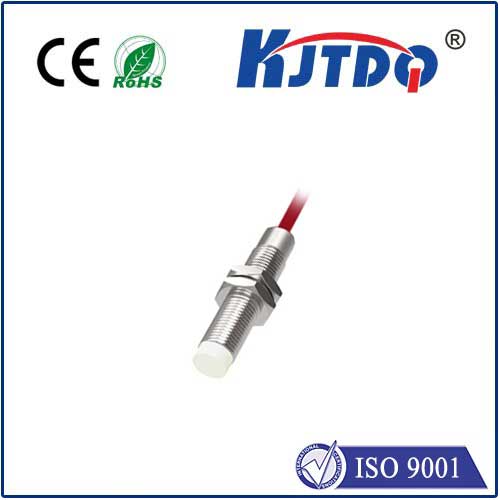
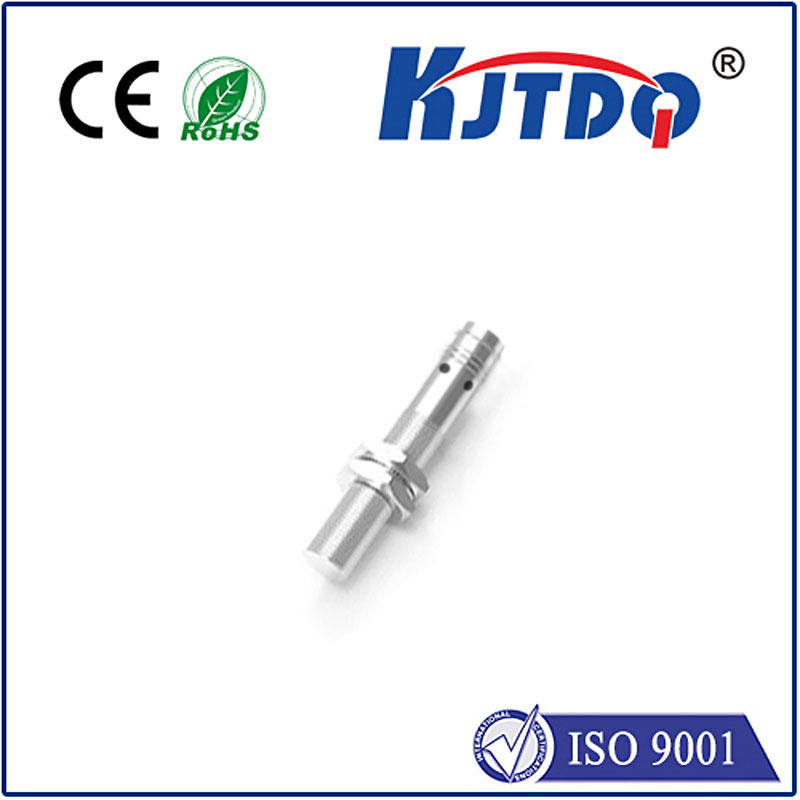
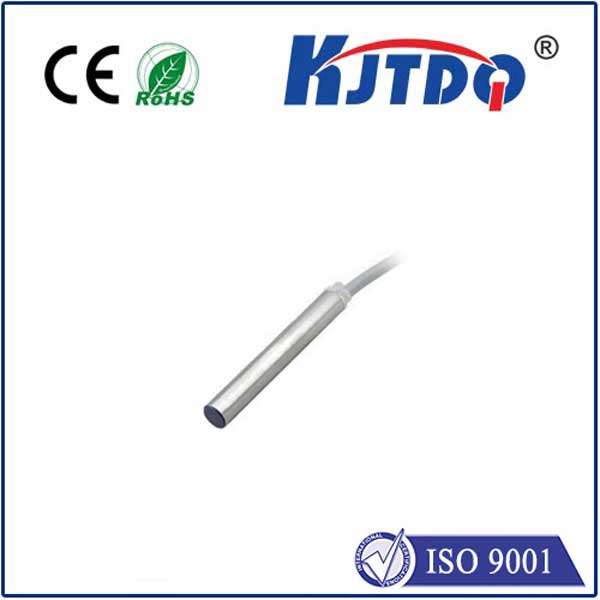
In the complex world of industrial automation, where reliability is non-negotiable and failure is not an option, selecting the right sensing technology is a critical decision. The IAS-10-18-S-PTFE High Pressure Proximity Sensor stands out as a premier choice for engineers and plant managers facing extreme operational challenges. This sensor is not just another component; it is a meticulously engineered solution designed to deliver unwavering performance where others falter.
At the core of its robust design is the PTFE (Polytetrafluoroethylene) housing. This material is renowned for its exceptional chemical inertness, making the sensor virtually impervious to a vast array of aggressive media, including strong acids, bases, solvents, and chlorinated compounds. In industries such as chemical processing, pharmaceutical manufacturing, and food & beverage, where sensors are constantly exposed to corrosive substances, this PTFE encapsulation is a game-changer. It prevents degradation, swelling, or contamination, ensuring long-term stability and hygiene. The housing also provides superior performance in high-pressure washdown environments common in CIP (Clean-in-Place) and SIP (Sterilize-in-Place) procedures, maintaining its integrity under intense cleaning cycles.
The "High Pressure" designation is a key feature, not merely a label. The IAS-10-18-S-PTFE is specifically built to withstand significant external pressure without compromising its sensing accuracy or structural integrity. This makes it indispensable in applications like hydraulic systems, high-pressure molding, deep-sea equipment, or any scenario where the ambient pressure far exceeds standard atmospheric conditions. The sensor's construction ensures that its internal electronics and sensing face remain isolated and fully functional, providing reliable detection even when submerged or subjected to forceful fluid dynamics.
Functioning as a proximity sensor, it excels in non-contact detection of metallic targets. Utilizing a high-frequency oscillation principle, it offers precise and repeatable switching points. The "S" in its model name typically denotes a particular sensing distance or output configuration, such as a short-circuit protected DC PNP or NPN output, providing compatibility with a wide range of PLCs and control systems. Its immunity to environmental factors like dust, oil mist, and moisture—thanks to its fully sealed PTFE body—means it can be deployed in foundries, mining operations, and outdoor machinery with confidence.
Installation and maintenance are streamlined for efficiency. The compact, cylindrical M18 form factor is an industry standard, allowing for easy integration into existing machine designs and mounting brackets. Despite its ruggedness, the sensor is designed for user-friendly setup, often featuring an LED status indicator for quick diagnostics. Its durability translates directly into reduced downtime and lower total cost of ownership, as the need for frequent replacements due to chemical attack or pressure failure is virtually eliminated.
Real-world applications are vast and varied. Imagine a chemical reactor where the sensor monitors the position of a agitator shaft under high internal pressure and corrosive vapors. Or a marine propulsion system where it detects the presence of a component while resisting the immense pressure and saltwater corrosion. In plastic injection molding, it can reliably sense mold closure despite exposure to high clamping forces and occasional chemical releases. Each scenario demands a sensor that can endure the triple threat of corrosion, pressure, and mechanical stress—a demand perfectly met by the IAS-10-18-S-PTFE.
Ultimately, the IAS-10-18-S-PTFE High Pressure Proximity Sensor represents a fusion of advanced material science and precision engineering. It addresses the pain points of maintenance teams and design engineers who operate at the edge of technological and environmental limits. By specifying this sensor, industries invest in more than just detection; they invest in operational continuity, safety, and resilience. For environments where standard sensors quickly become a liability, this PTFE-clad, high-pressure-rated device is the definitive answer, ensuring that critical processes run smoothly, safely, and without interruption.