check

check

check

check

check

check
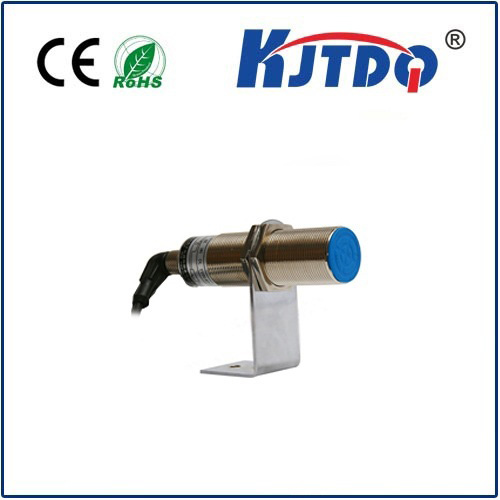
In the world of industrial automation and process control, the ability to reliably detect the presence or position of objects under extreme conditions is paramount. This is where high-pressure proximity sensors step in, and the LJM30A series, including models like the 20Z, NPS 18Z, and NPH, represents a significant leap forward in durability and precision. These sensors are engineered to perform flawlessly in environments where standard inductive or capacitive sensors would fail, making them indispensable for heavy machinery, hydraulic systems, and high-pressure manufacturing processes.
The core challenge in high-pressure applications is the immense force exerted on equipment. Standard sensor housings can deform or rupture, leading to catastrophic failure and costly downtime. The LJM30A series addresses this with a robust, stainless-steel construction specifically designed to withstand sustained high pressure. This rugged build ensures the internal sensing electronics remain protected and operational, providing consistent and accurate detection signals even when subjected to significant external stress. The reliability of these readings is critical for maintaining system integrity and preventing accidents.
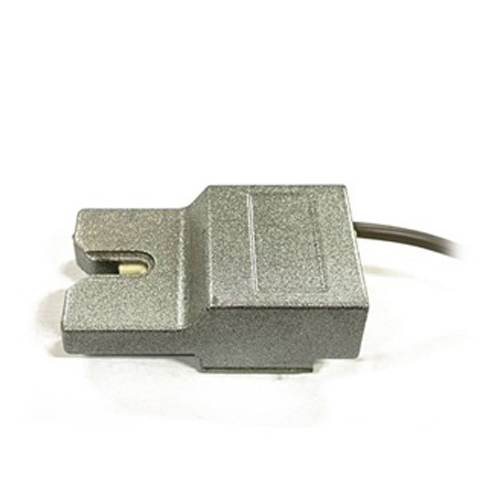
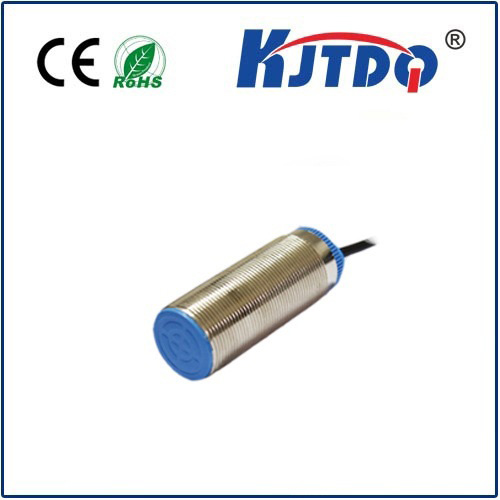
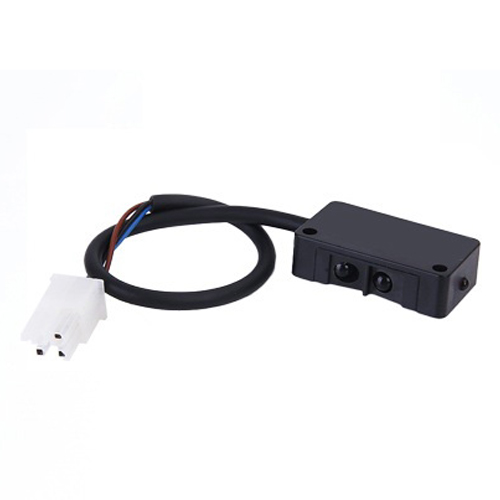
Beyond mere durability, the LJM30A sensors offer exceptional sensing performance. Utilizing advanced inductive technology, they provide non-contact detection of metallic targets. This means there is no physical wear and tear from repeated contact, leading to a dramatically extended service life compared to mechanical limit switches. The "20Z," "NPS 18Z," and "NPH" designations often refer to specific electrical outputs, thread types, and housing shapes tailored for different installation requirements. For instance, some variants feature a compact cylindrical design for space-constrained areas, while others might offer a rectangular housing for easier mounting on machine frames.
A key application area for the LJM30A-20Z/NPS 18Z/NPH sensors is within hydraulic and pneumatic systems. They are perfectly suited for monitoring piston position in hydraulic cylinders, confirming the open or closed status of high-pressure valves, or detecting the presence of metal components in injection molding machines. In the oil and gas industry, these sensors can be deployed to monitor equipment on drilling rigs or within pipeline systems, where they must resist not only high pressure but also potential exposure to corrosive elements. Their hermetic sealing typically meets high IP (Ingress Protection) ratings, safeguarding against dust and water ingress.
Installation and integration are straightforward. These sensors are designed to be compatible with standard industrial control systems like PLCs (Programmable Logic Controllers). Their output is typically a clean, digital signal (e.g., PNP or NPN), which is easily interpreted by control units to trigger subsequent actions in the automated sequence. Maintenance requirements are minimal due to their solid-state design and rugged enclosure. This translates to lower total cost of ownership over the sensor's lifespan, as the need for replacements and unscheduled maintenance is greatly reduced.
When selecting a high-pressure proximity sensor, engineers must consider several factors: the maximum pressure rating, the sensing distance, the target material, the required electrical connection, and the environmental conditions. The LJM30A series provides a versatile range of options within its model family to meet these varied specifications. Choosing the correct model ensures optimal performance, safety, and longevity for the specific application.
In conclusion, for operations that demand unwavering reliability under physical duress, the LJM30A-20Z/NPS 18Z/NPH High Pressure Proximity Sensors offer a robust solution. They bridge the gap between the need for precise, non-contact object detection and the harsh realities of high-pressure industrial environments. By ensuring accurate feedback and control in these critical systems, they contribute directly to enhanced operational safety, improved efficiency, and reduced maintenance costs, solidifying their role as a critical component in modern industrial automation.